

Warm, thoughtful, and generous. When used correctly, The Clermont photography style amplifies our brand personality.
There are four categories of photography styles that we use. The images used in this section aren’t the creative property of The Clermont. Only use them as an indicative guide of our direction.
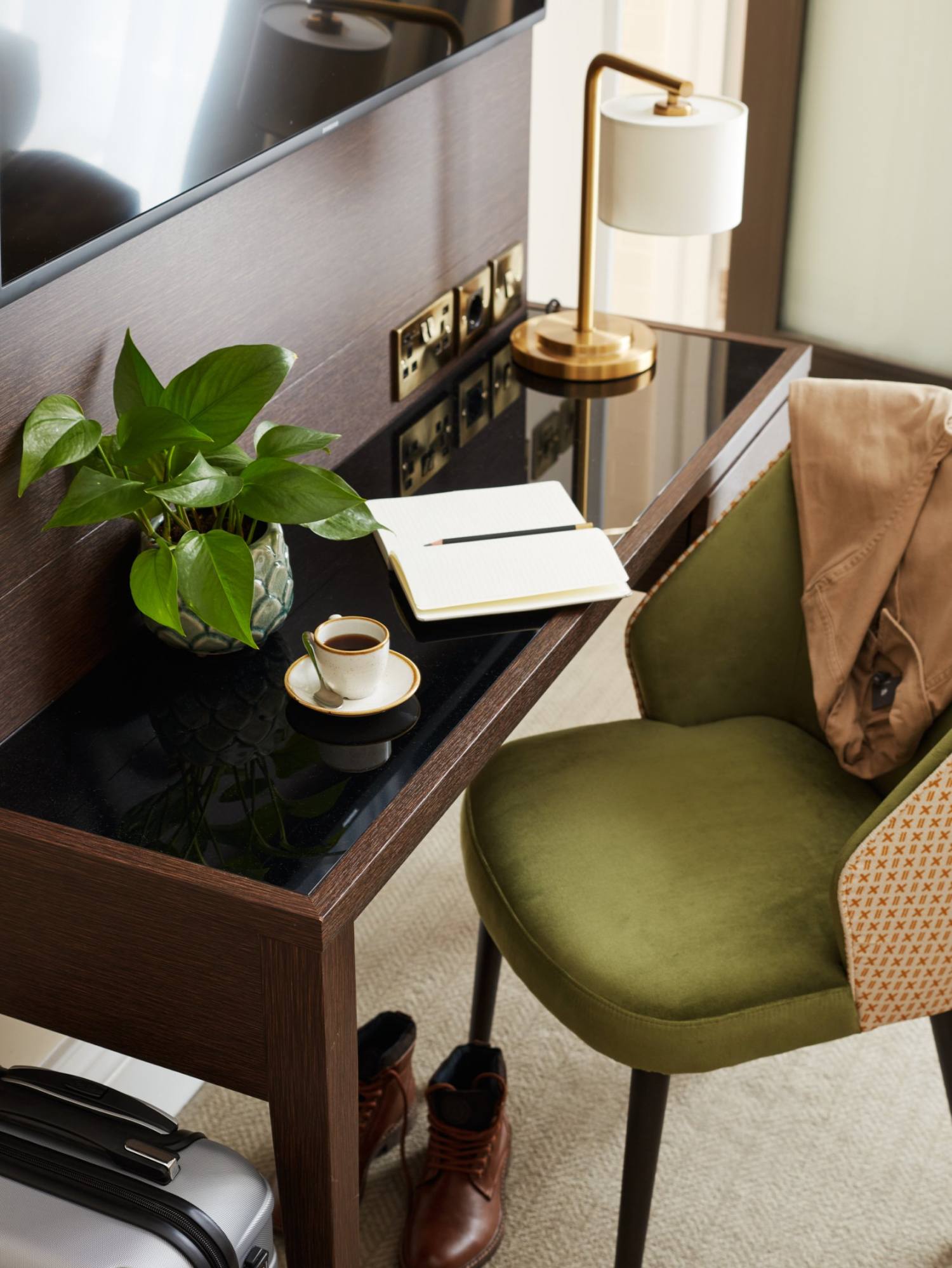
Interiors & Exteriors
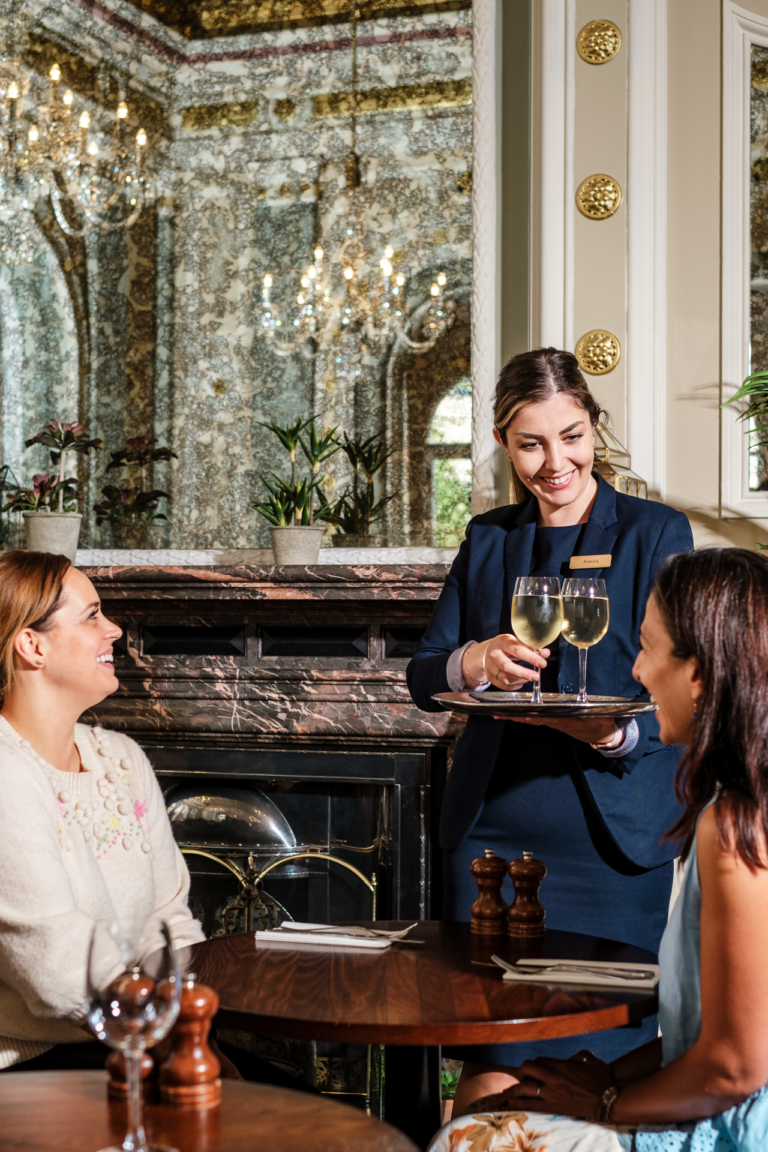
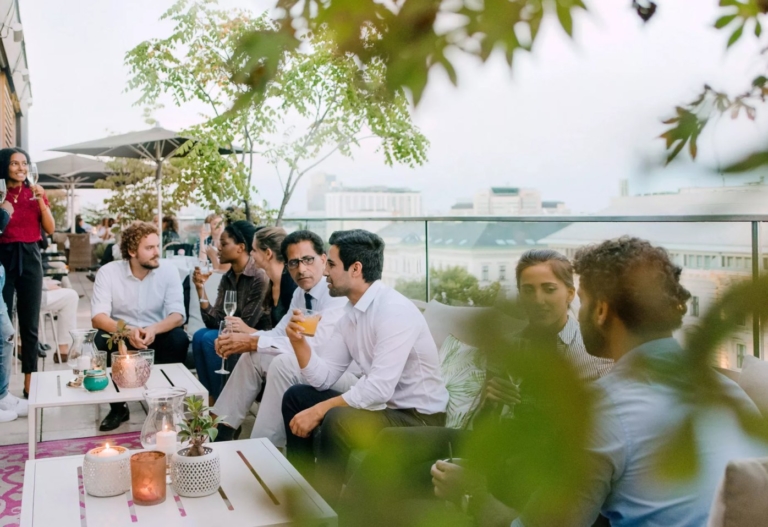
People & Experience
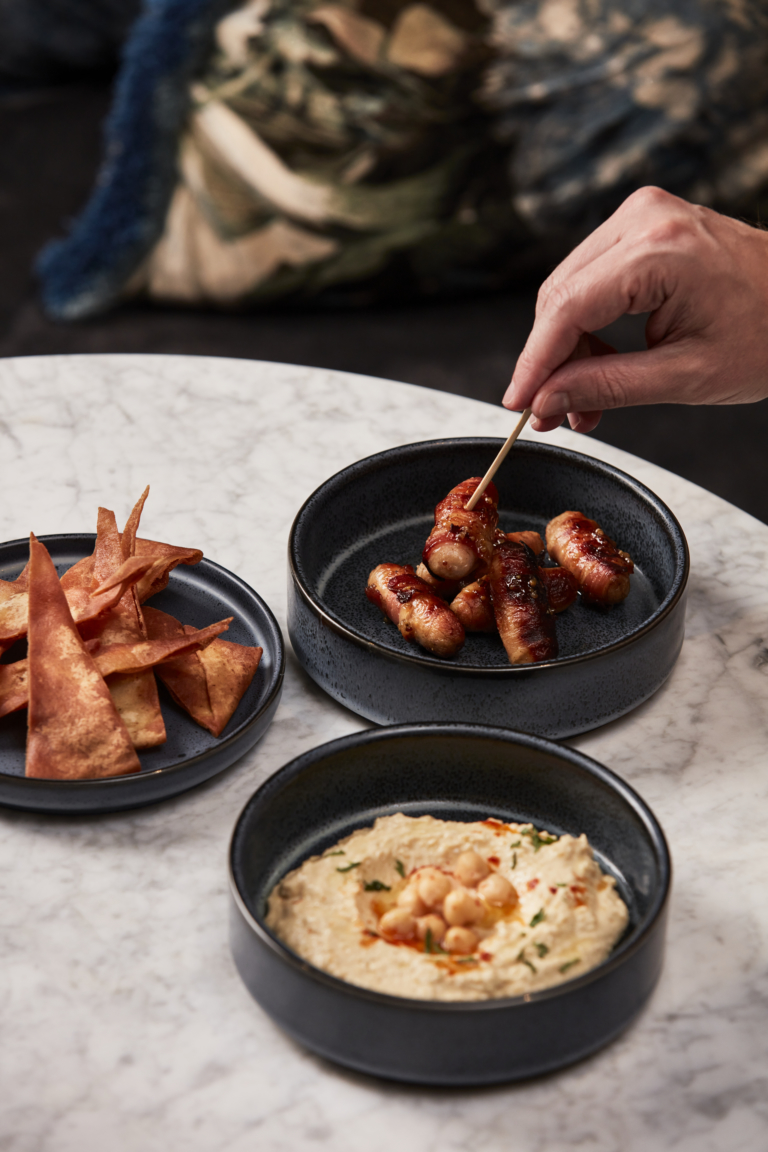
Food & Drink
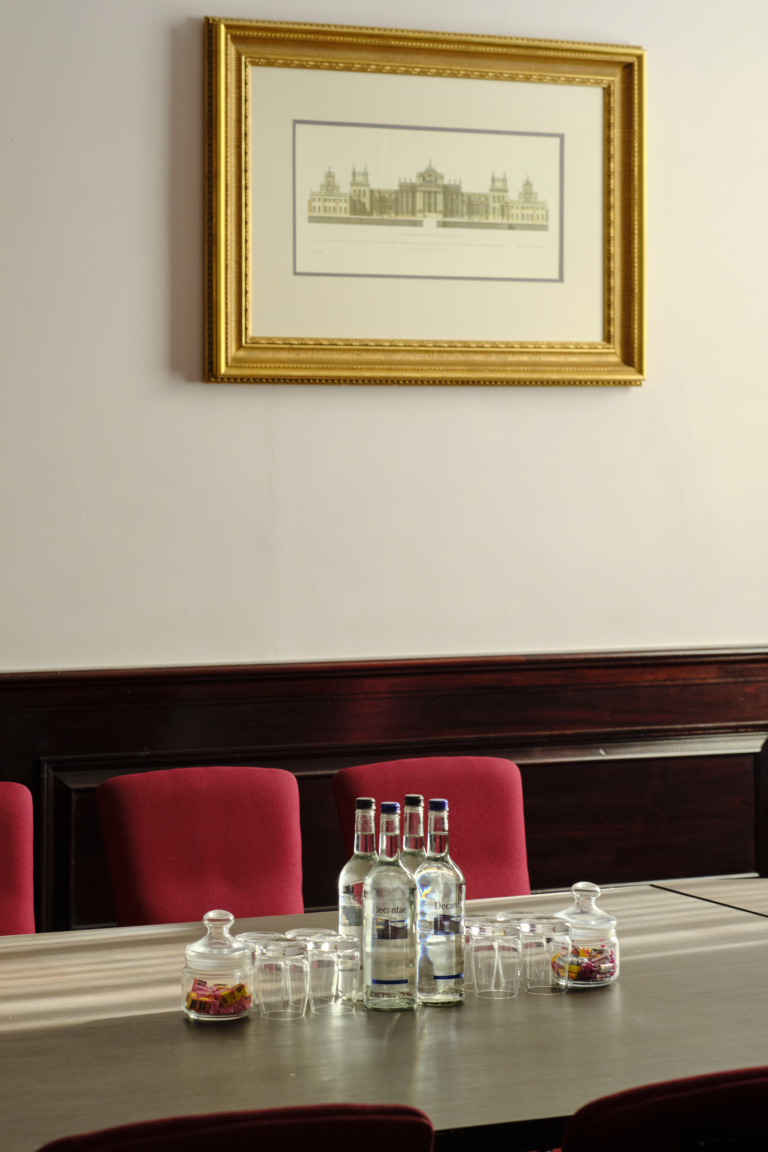
Meetings & Events
When considering the hierarchy of photography on our applications, images should always relate to the accompanying message and/ or purpose of the asset.
If the key purpose is about brand experience or driving brand advocacy, photos of the people enjoying the hotel should be the core subject. These photos are for portraying what it feels like to be in a Clermont hotel and are predominantly used for potential guests in ‘browse mode’.
If the key purpose is about sales, we need to lead firmly with the product. We should showcase the rooms at their best, and focus on food and drink rather than people eating and drinking. Showing the rooms and offerings clearly will help potential customers make a quicker decision.
In terms of usage for these two purposes, photos intended for ‘browse mode’ should be 60% people-centric and 40% product-centric. For content relating to ‘sales mode’, we should aim for 85% product and 15% people enjoying the space/experience.
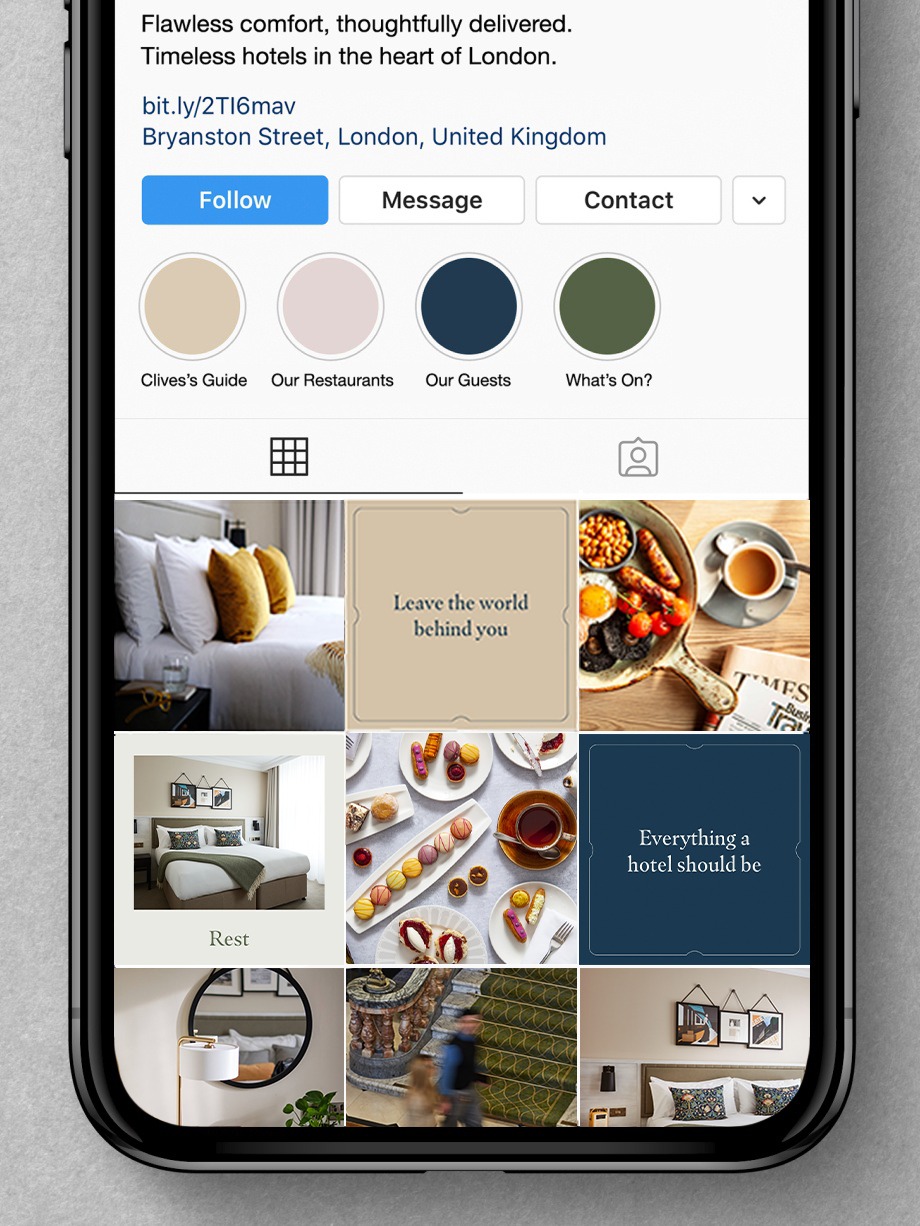
Browse Mode
Photography used on our Instagram profile is a good example of where people may be in ‘browse mode’. Images should create a sense of what the brand experience is like but also show the product clearly.
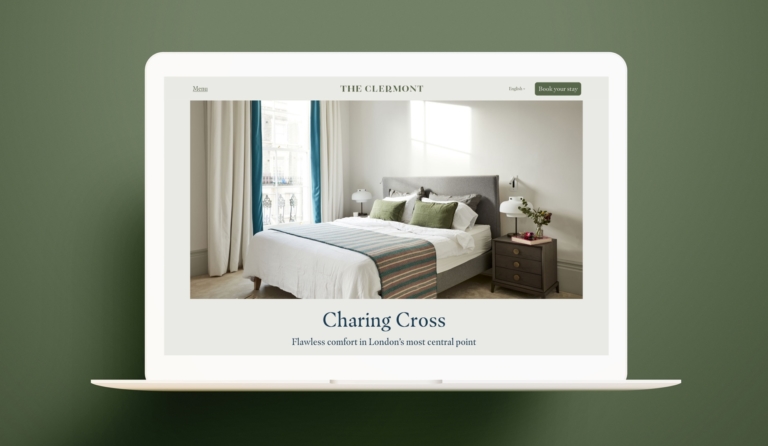
Sales Mode
Photography on our website and OTAs should show the hotel rooms clearly as this is where we want potential customers to make quick decisions and book. There should be no ambiguity in the photos.
When conducting photoshoots, image crops should be taken into account. Across the collateral, portrait, landscape, and square images will need to be used. Capturing an equal amount of all crops is important – making sure there is a central focal point will ensure the image will work in different crops. Images in digital environments will need to adapt with the responsiveness to screen sizes, so a central focal point in our photography will make sure images can adapt online.
There are three areas of the hotel we need to capture: Exteriors, interior spaces and the rooms.
Exteriors
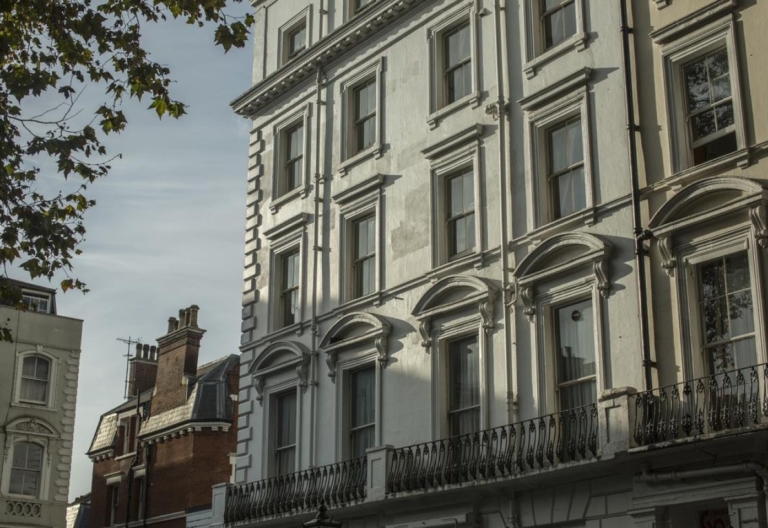
When portraying the front of the hotels, signage and decorative elements should be clean. A hint of movement should be present. And morning or evening light should be used to capture the building’s details.
- Show life outside the hotel
- Morning or evening sunlight
- Create symmetry
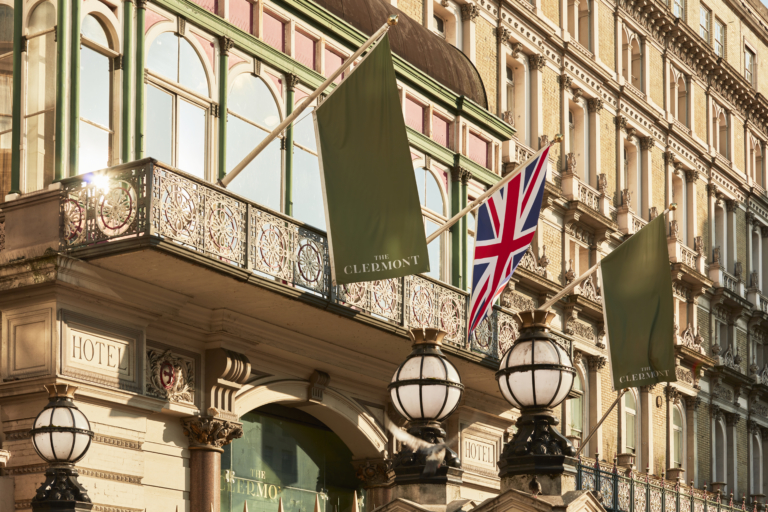
Lighting & Mood
Morning or evening light to capture the building’s features
Long shadows help to amplify the details
Make sure no details are over or under exposed
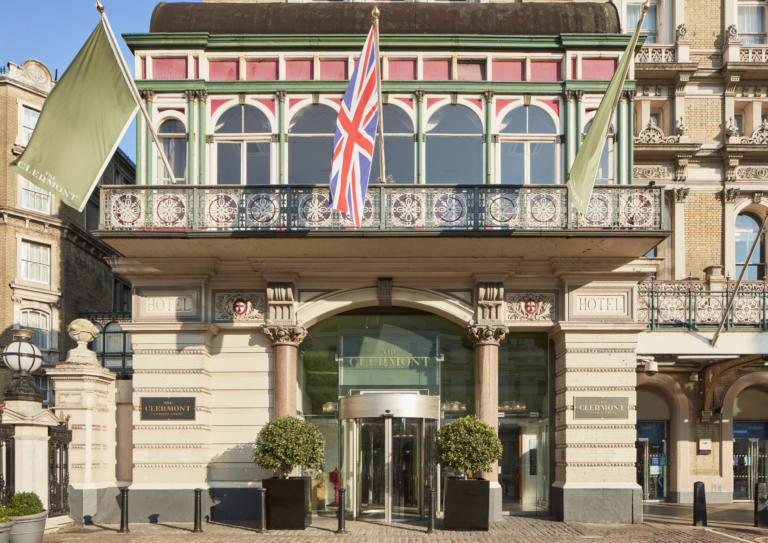
Composition
Use straight-on shots to create clarity and symmetry
Angled shots should be treated with caution – make sure there are straight edges aligned with the image frame
Make sure the windows are always squared up in the frame and lens distortion is corrected in post-production
Styling
Entrances should be clean with any noticeable dirt cleaned (in post production if not possible in camera)
Any plants to look fresh and alive
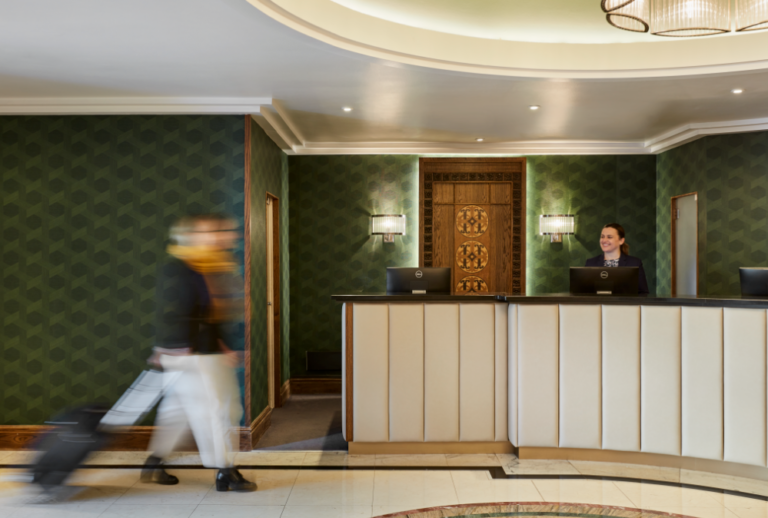
Human Presence
Candid shots of the guests entering the hotel can subtly nod to the kind of guests that would stay at the hotel
Interior Spaces
We can make these spaces look inviting with bright natural light during the day and cosy lighting in the evenings. A sense of life within the hotel will help create a sense of atmosphere
- Light darker rooms
- Neat Styling
- Show the space in use
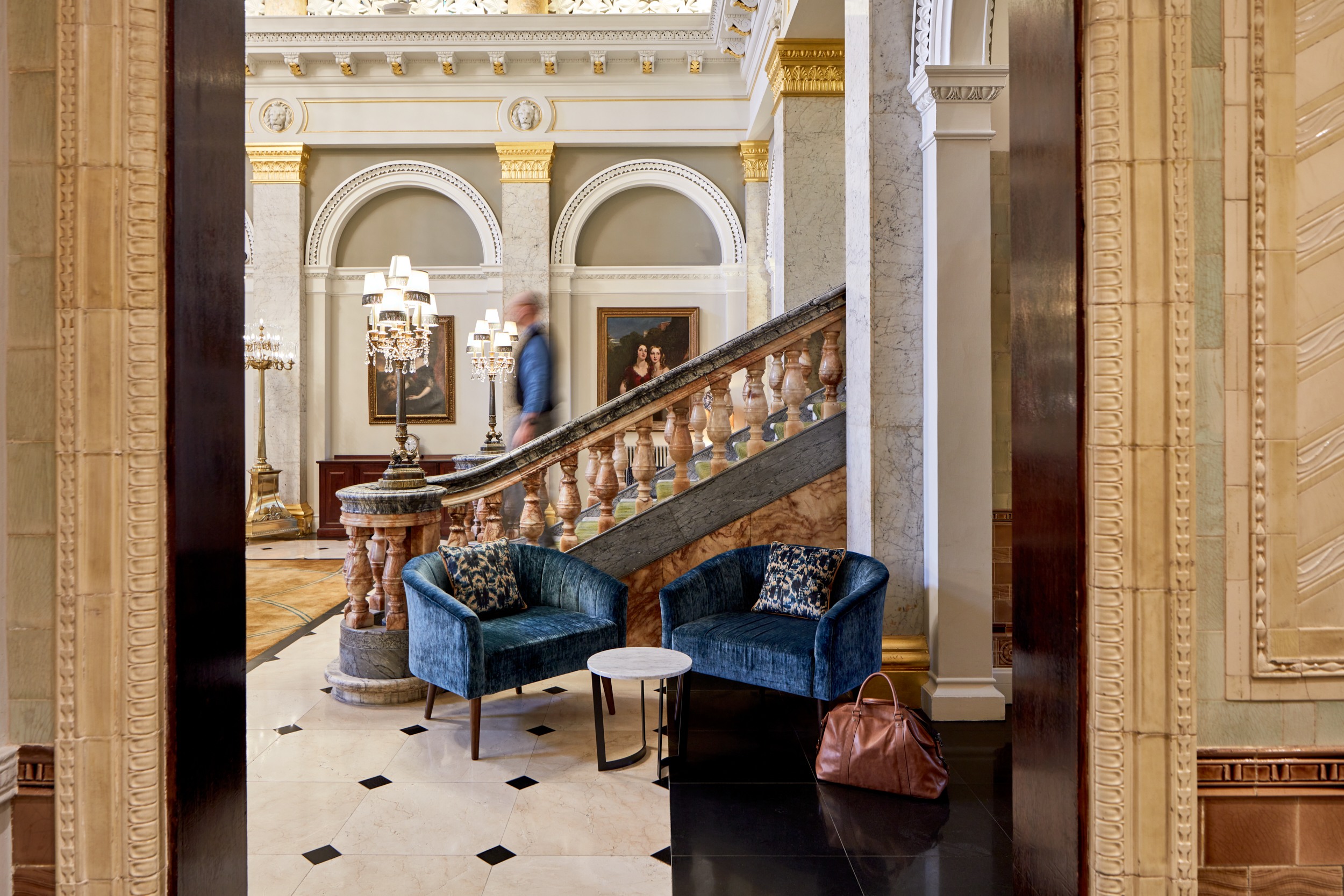
Lighting & Mood
Evenly lit with nothing blown-out
Use natural daylight where possible
Adjust to different times of day and light rooms with warm, cosy lighting where natural light isn’t possible
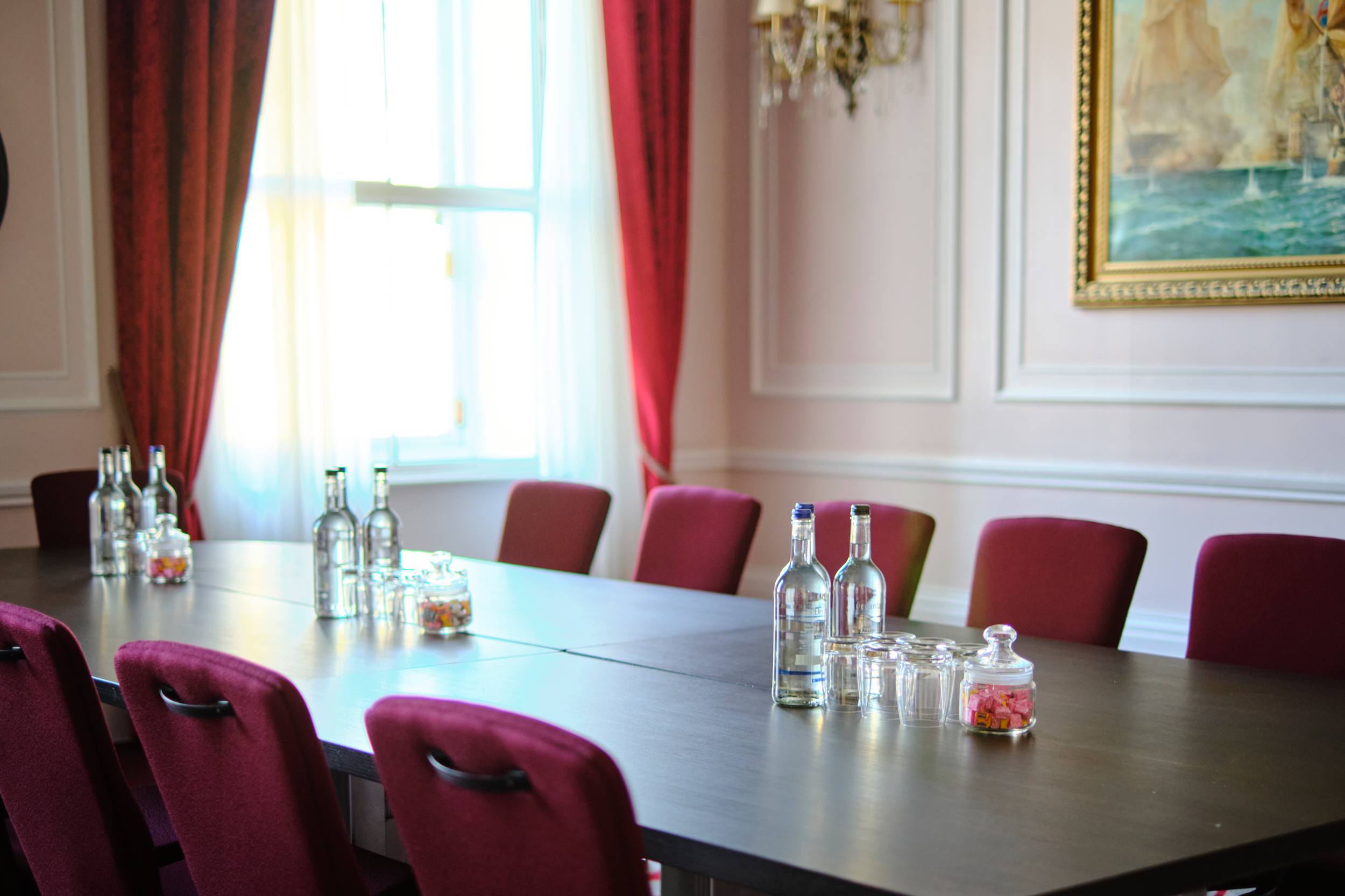
Composition
Shooting across the space can capture the room in an interesting way
Angled shots are a good way of capturing the room without using a wide-angle lens, which can cause distortion
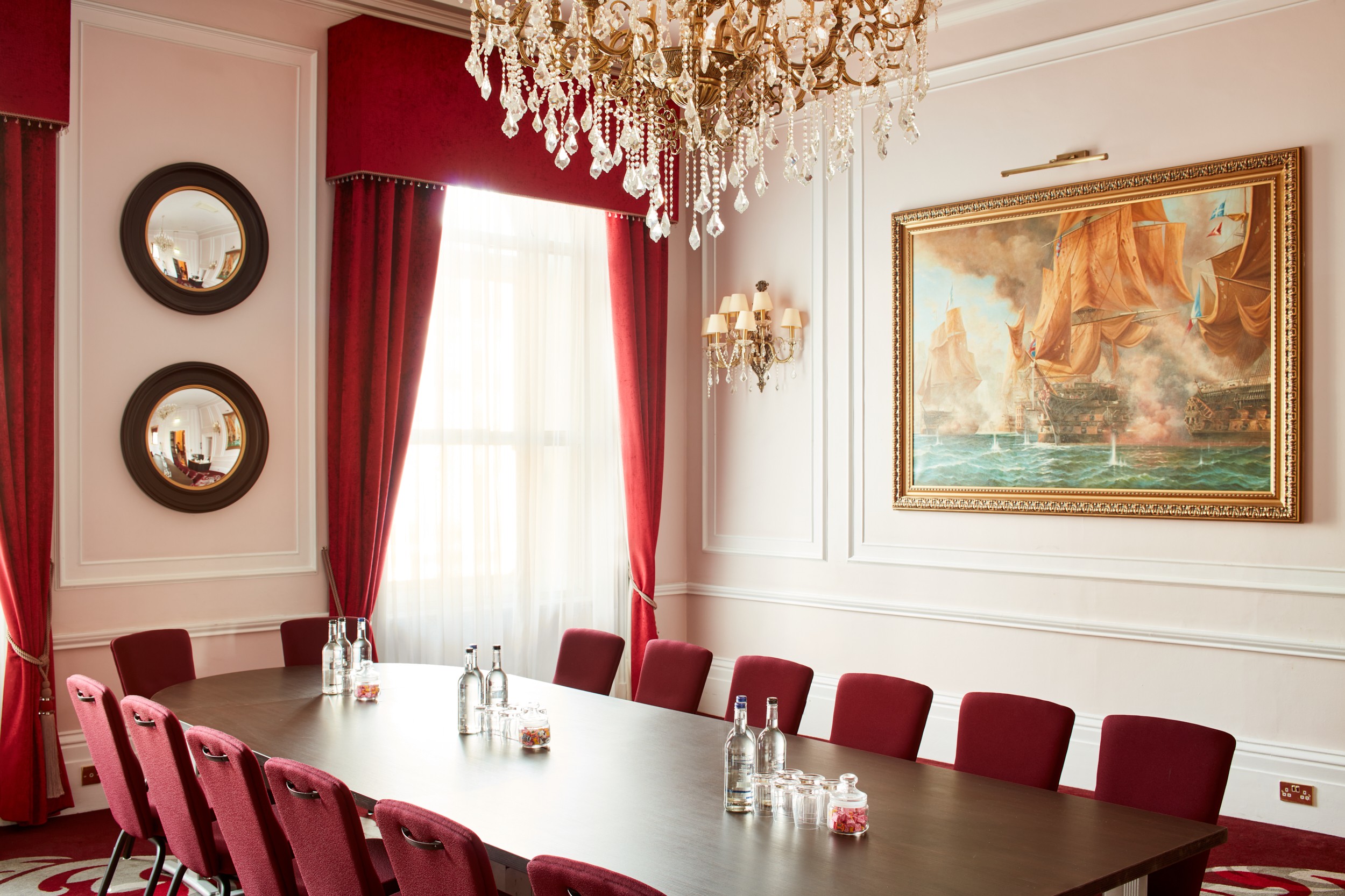
Styling
Dress tables neatly to show a space that’s ready for service
Don’t over-clutter your styling – the focus should be on the space
Pay close attention to the details. A wonky cushion, scuff marks on the wall, water marks on a table etc should all be fixed pre-shot where possible or tidied up in post
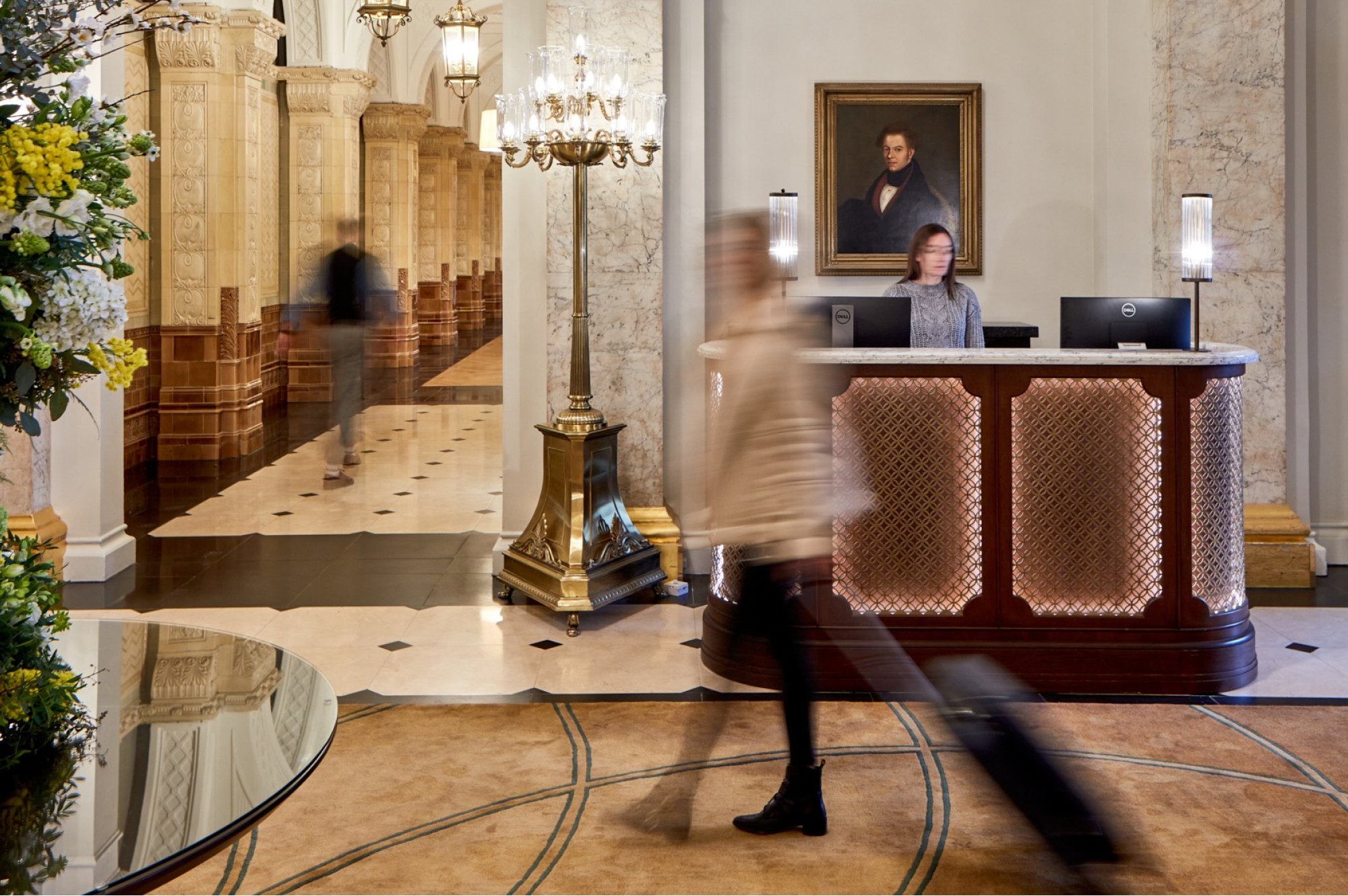
Human Presence
Candid shots of the spaces being used by our team or guests are always preferable
Natural interactions between server and guest can create an authentic sense of the experience
Rooms
The rooms are one of the biggest selling points. So photography centred around comfort and those thoughtful details is key. We can nod to the type of guest via subtle styling details.
- Focus on details
- Bright, natural light
- Hint at a guest’s presence
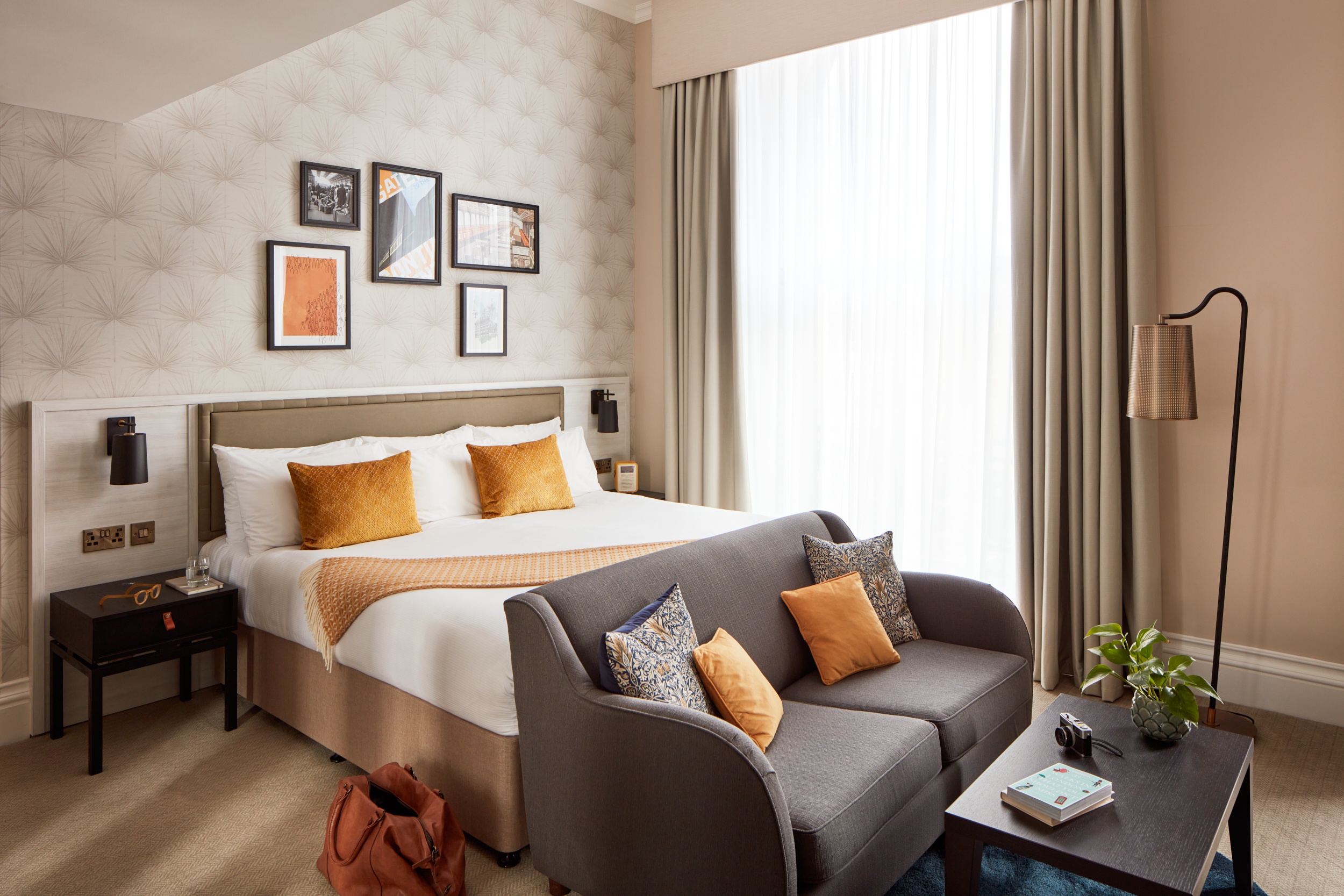
Lighting & Mood
Daylight is especially important in the rooms to make the space feel fresh and clean
The lighting shouldn’t be too harsh. Use soft shadows to create a calming mood
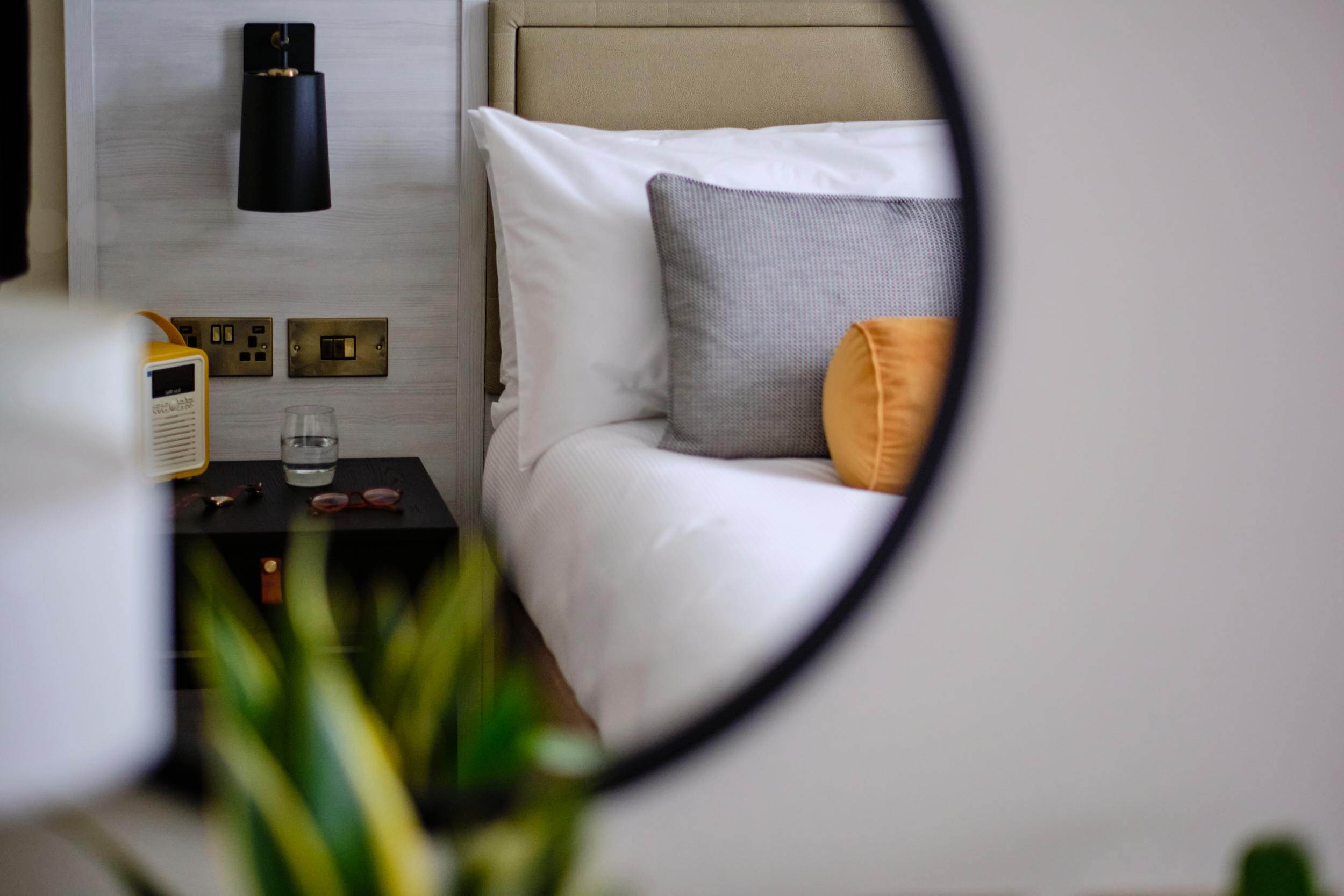
Composition
Create a sense of space via interesting crops and shooting spaces with narrow depth of field
Focus on capturing details and creating mood, rather than trying cram in everything into one shot
If a wide angle shot is required, distortion created by the lens should be corrected in post production
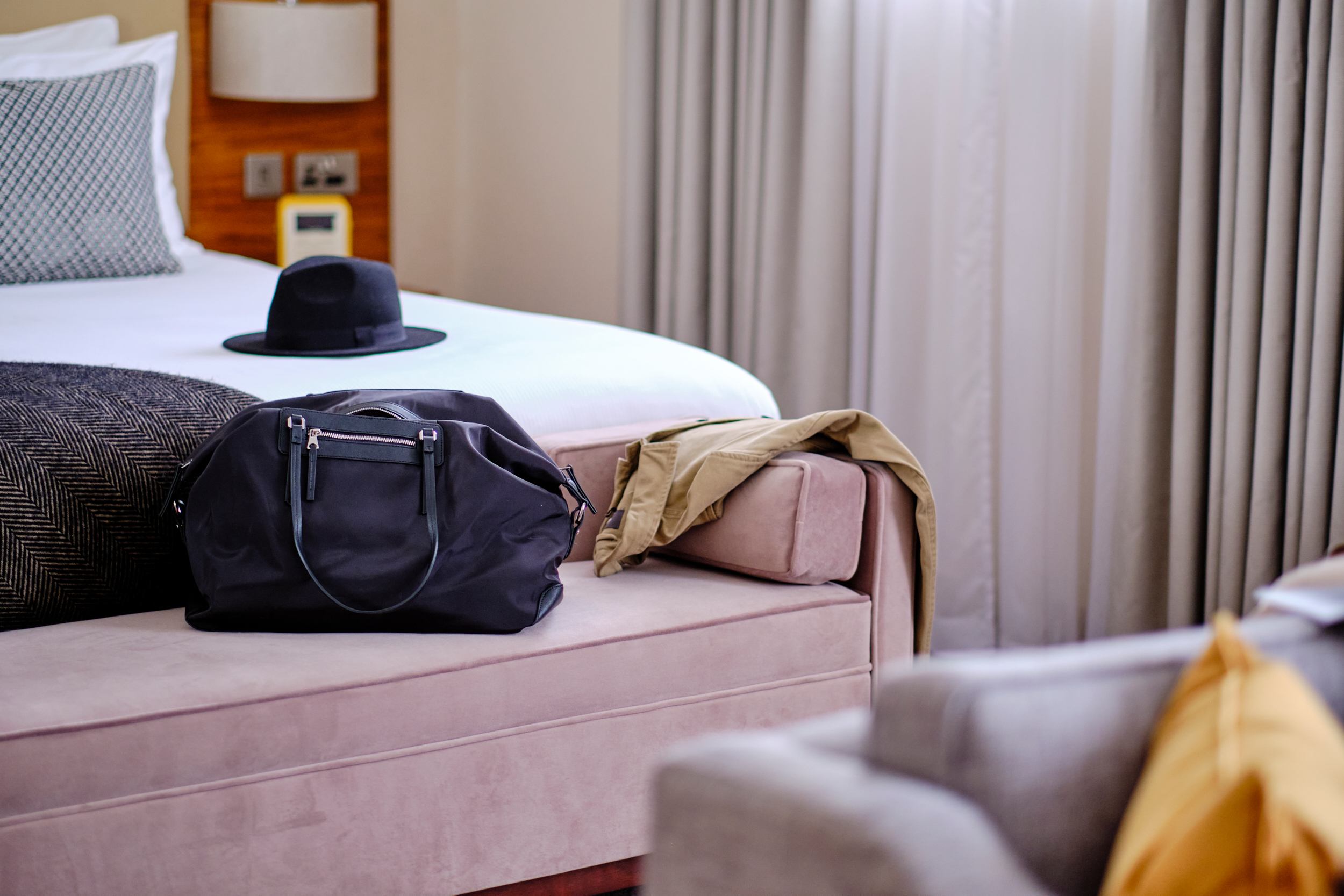
Styling
Allude to the type of traveller staying via subtle prop styling e.g. books, magazines, reading glasses, weekend bag, shoes etc.
Pillows should be plumped and the bed should look soft and inviting
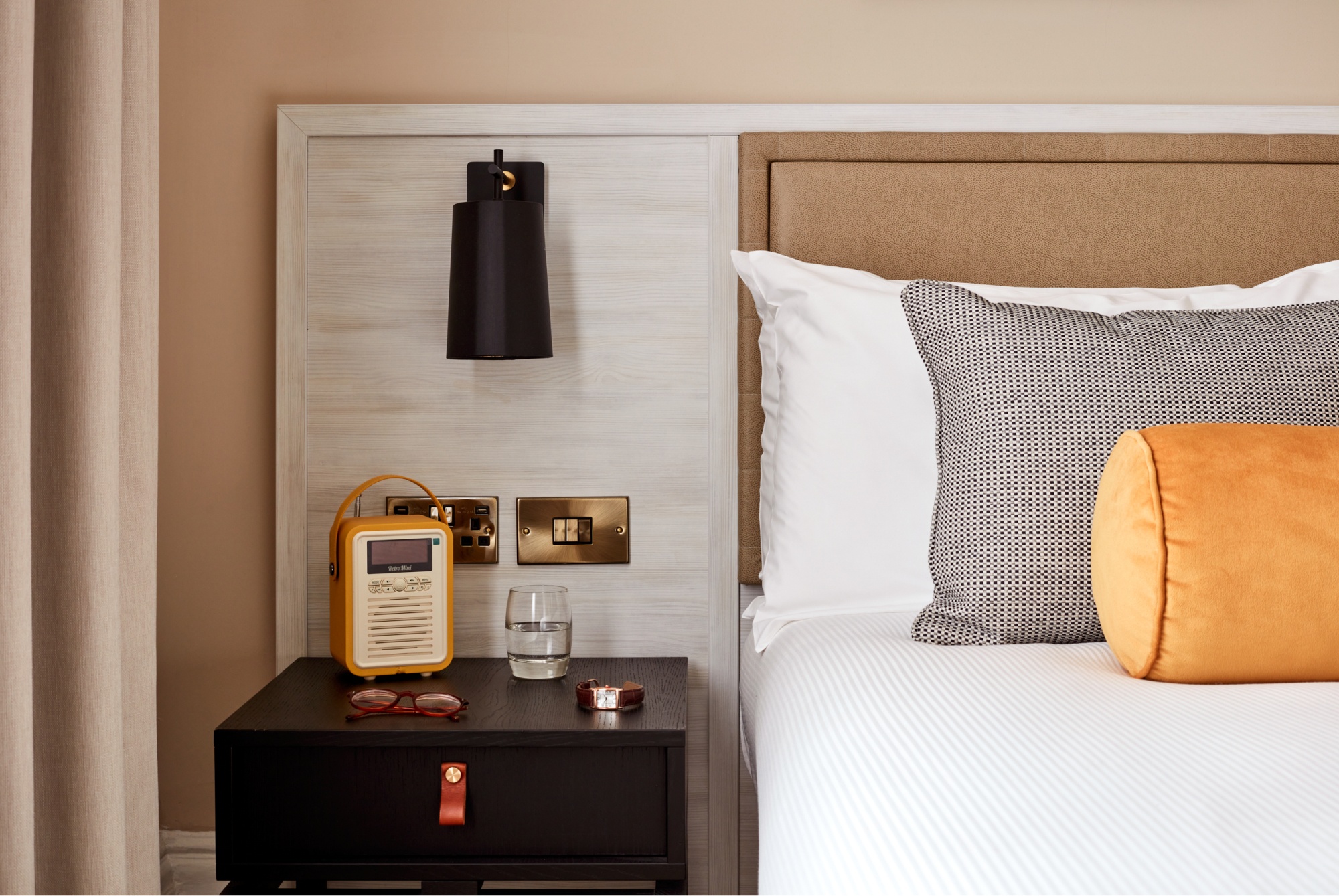
Human Presence
A tap running. A wash bag by the sink. Luggage by the bed. Shoes under the chair. Show subtle hints of life to create authenticity and warmth
Below are some common mistakes to avoid when using photography.
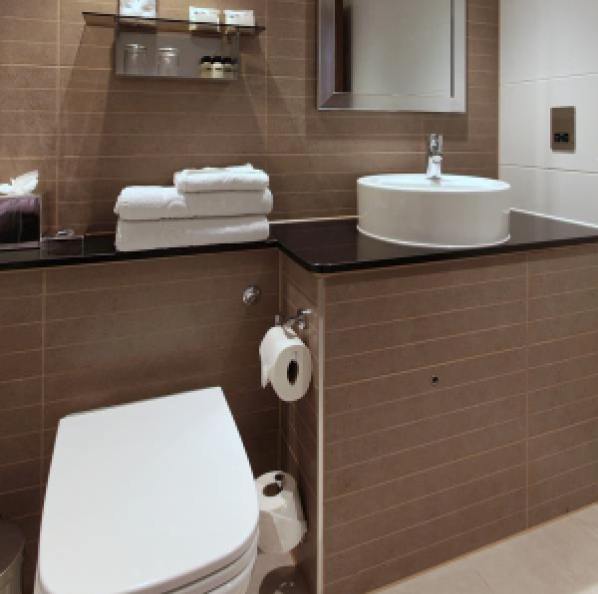
Don’t allow lens distortion to go untouched in the image editing process
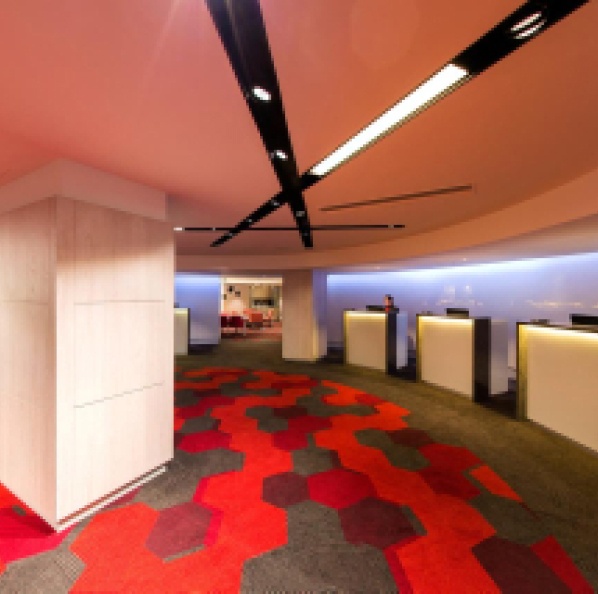
Don’t shoot spaces with a stark or empty atmosphere
Don’t compose the photo at an angle
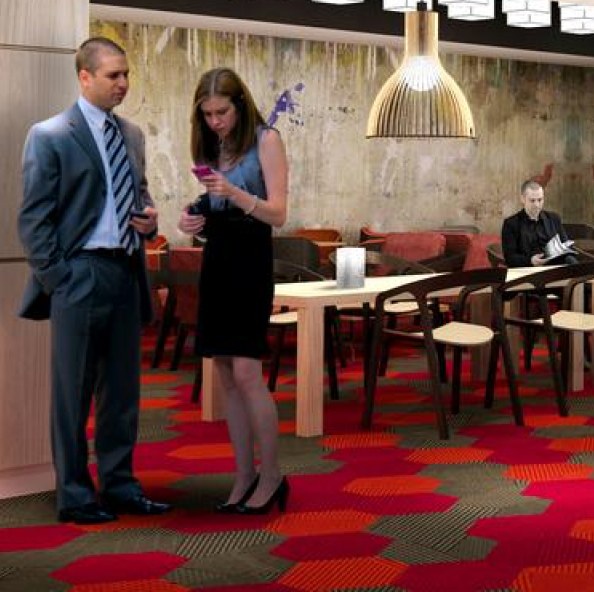
Don’t use CGI images anywhere where real photography is available
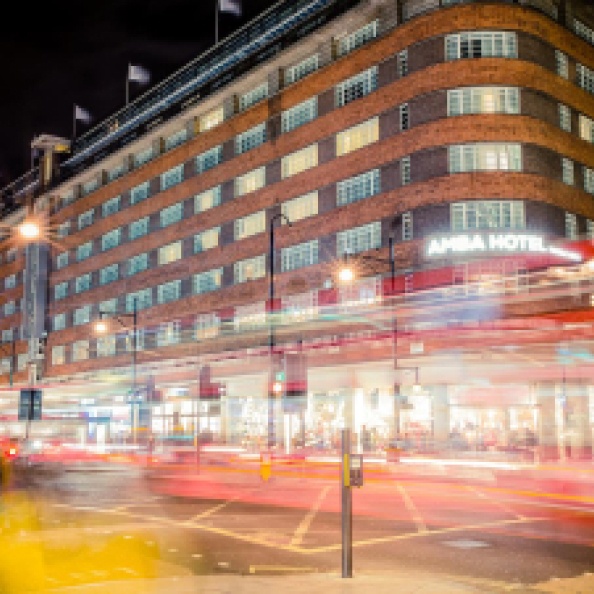
Don’t shoot long exposures that distract from the focus of the image
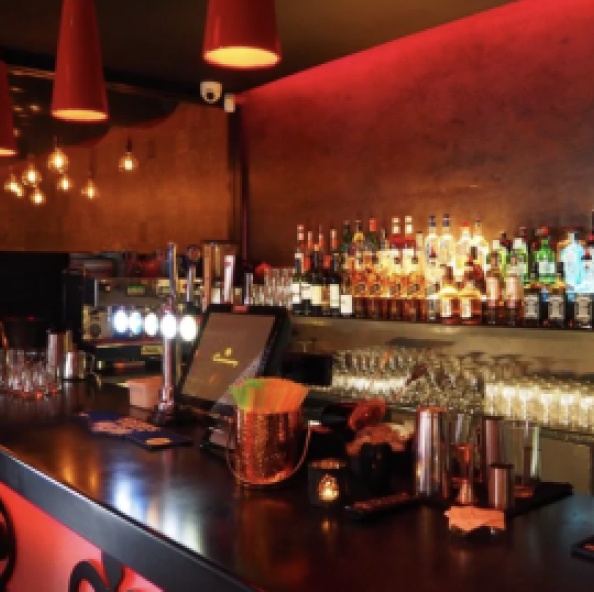
Don’t shoot in dingy lighting. Make sure to properly light darker spaces
Our photography of people and experiences fall into three categories: Guests, staff and thoughtful moments.
Guests
We have a guest-first approach. So showing candid moments of them enjoying the hotels is important. We also need to ensure the full breadth of The Clermont’s audience is portrayed – from families to the lone business traveller.
- Capture a warm, friendly atmosphere
- Shoot through the scene
- Show candid interactions
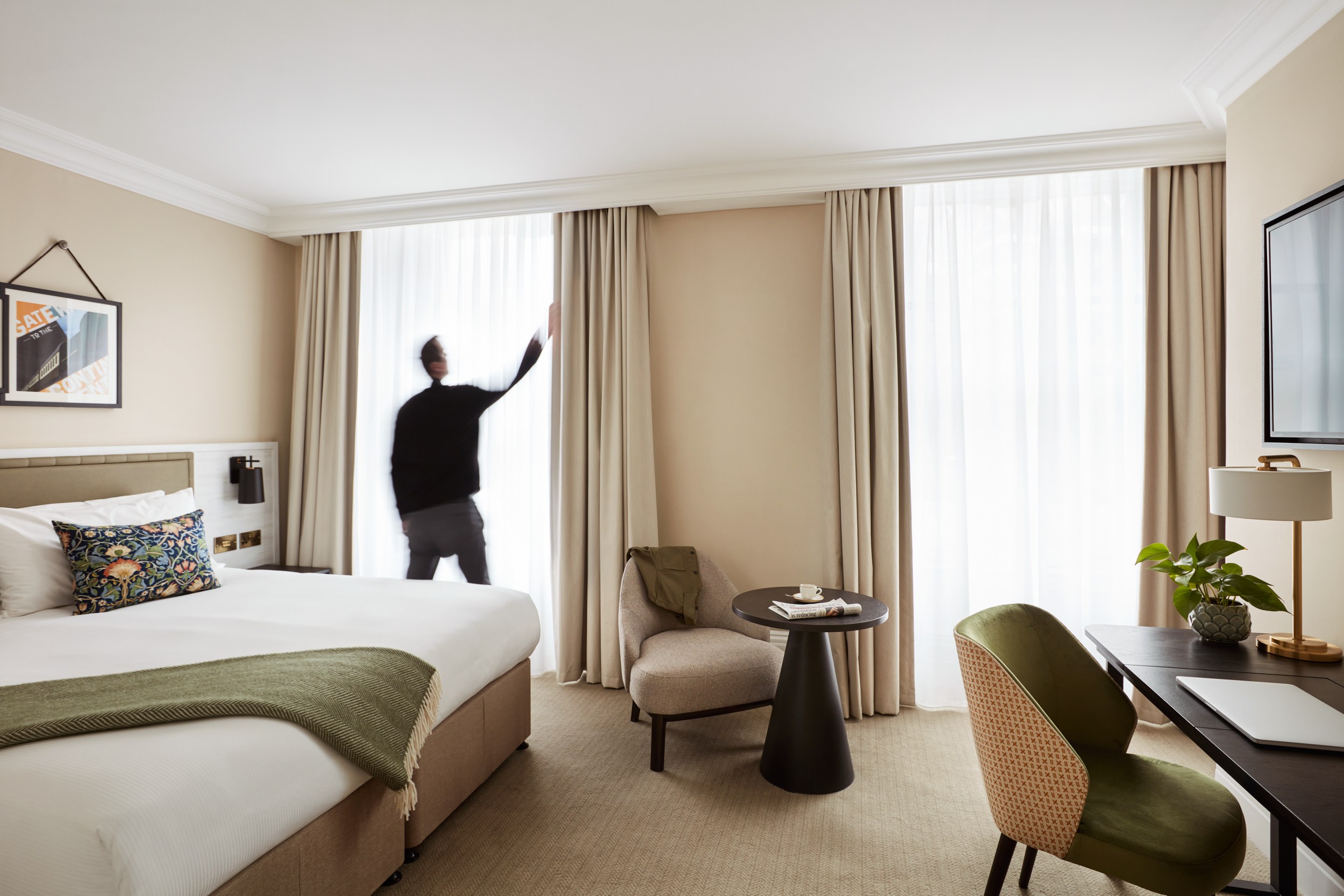
Lighting & Mood
Capture the different times of day according to the space. Morning lighting for rooms. Evening lighting for the bar.
The mood should also adapt to different times of day. A calmer feeling for the morning shots, but livelier throughout the day and into the evening.
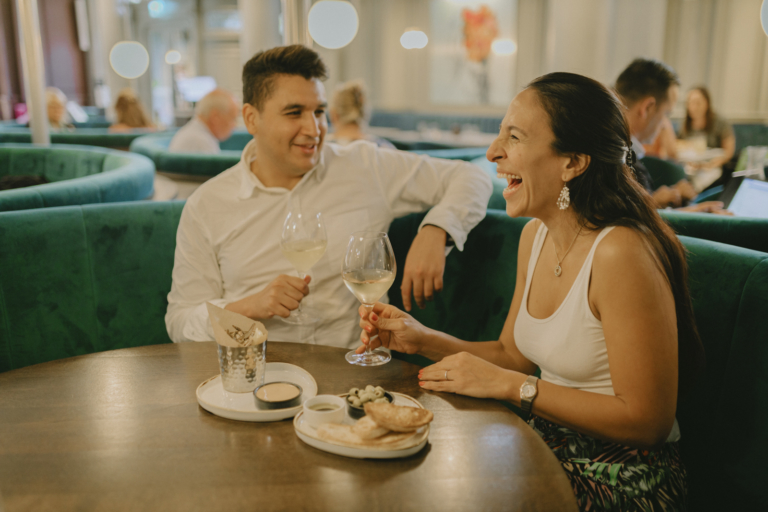
Composition
Shoot through the space, with a candid, fly-on-the-wall approach
Make sure compositions are natural and relaxed, and never overly styled
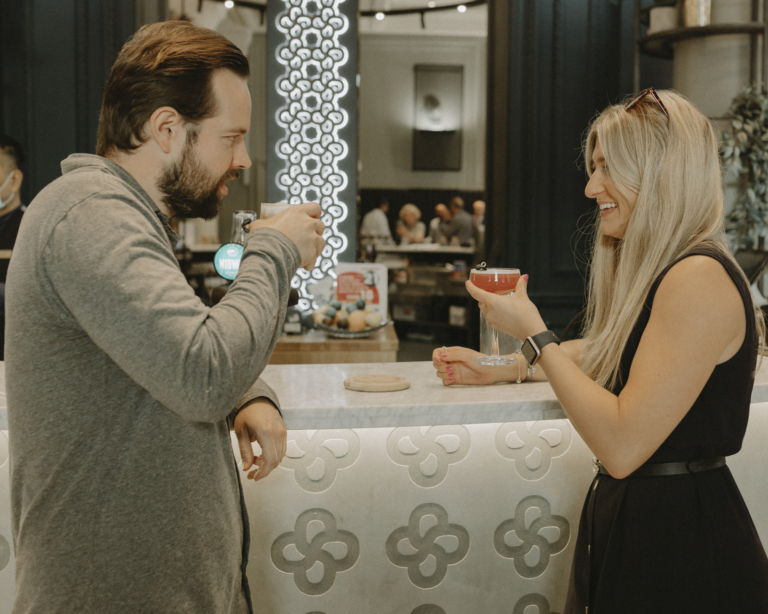
Styling
Clothing should match the occasion and guest. Relaxed for those on leisure stays. More formally styled when promoting business travellers
Candid shots are key, so ensure styling is natural and not overly cluttered
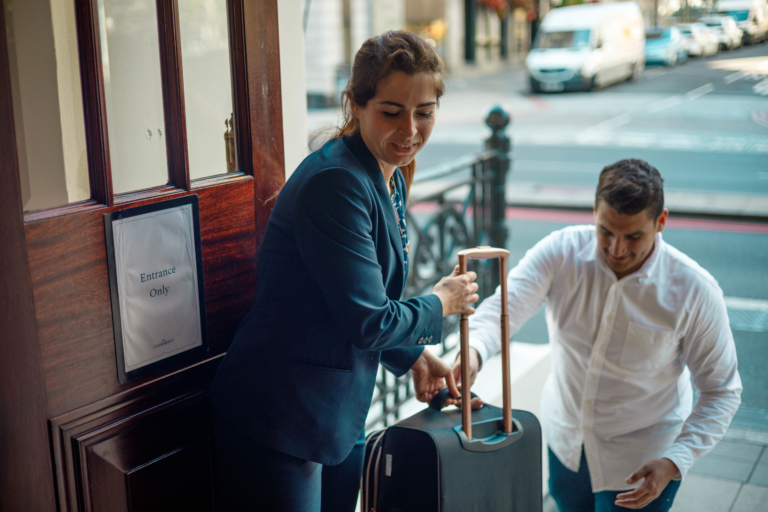
Human Presence
Body language and expressions should feel relaxed and natural. Not posed, over exaggerated or cheesy
A range of guests and scenes should be captured: the business traveller, families, couples, social gatherings
Our Team
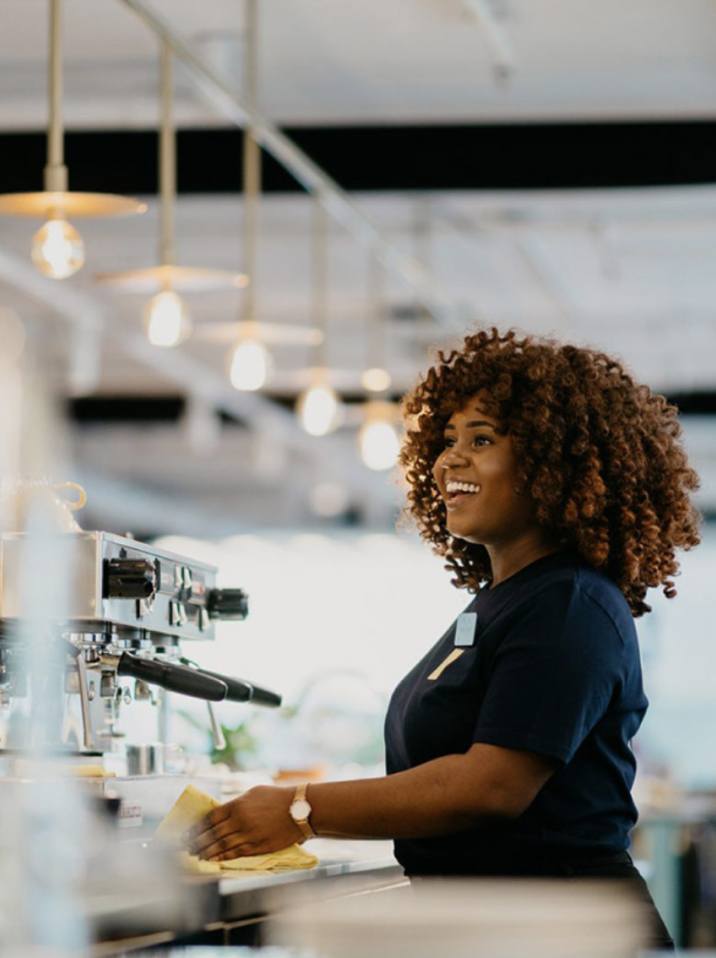
This is a chance to show the warm, friendly personalities within the hotel. Our team should be portrayed as naturally helpful and fully engaged with the guests and/or their work.
- Engaged with guests
- Warm personalities
- Candid actions
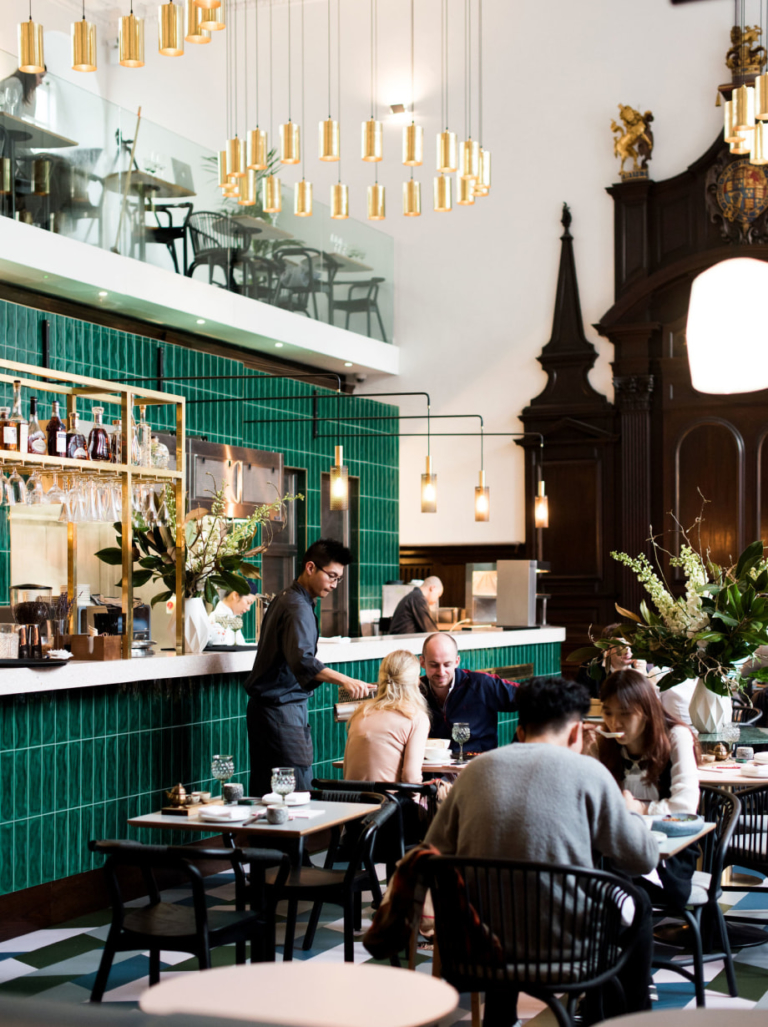
Lighting & Mood
Lighting should be bright with natural daylight used where possible
It should feel alive and the mood should be bustling with activity
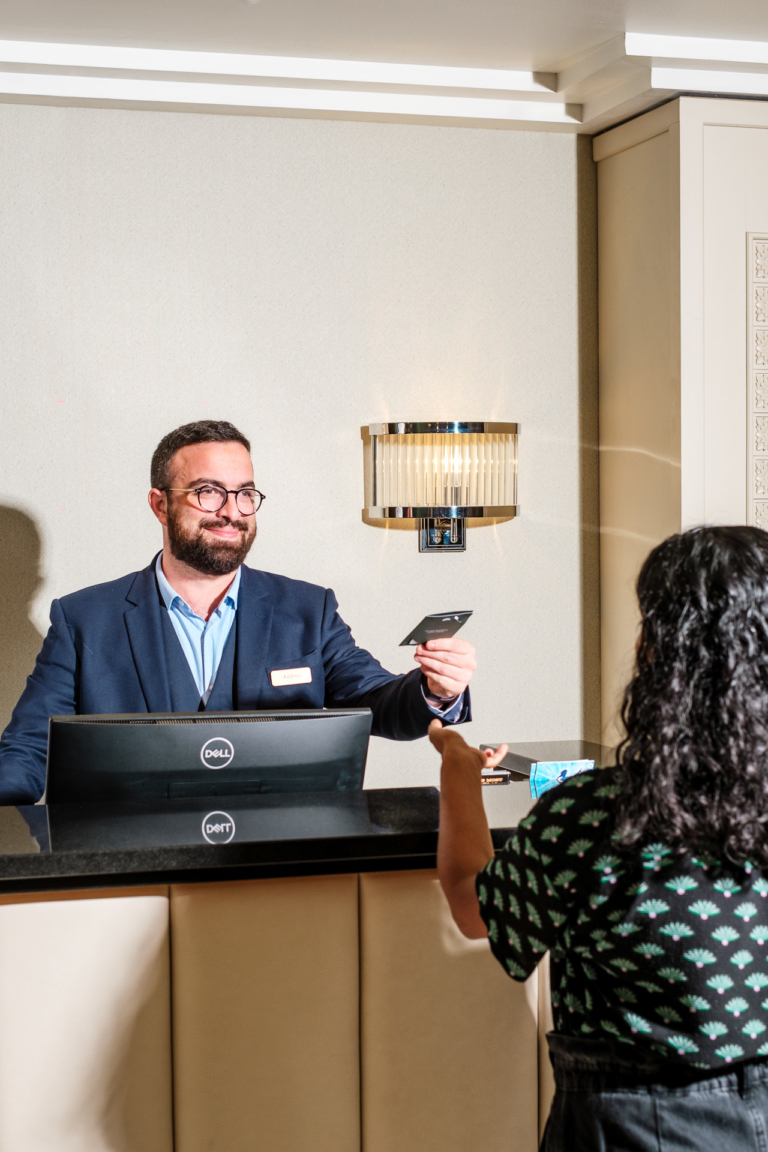
Composition
Shoot through spaces and from afar, focusing on an interaction or activity
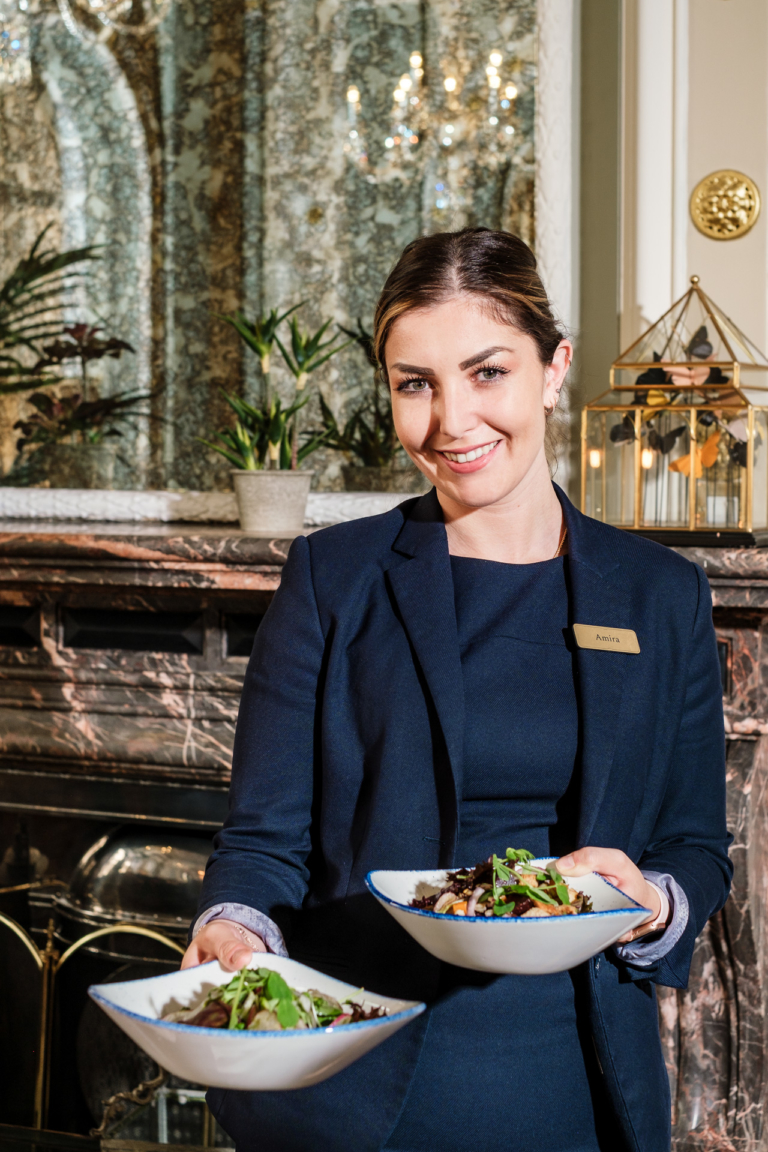
Styling
Uniform to be neatly styled with ironed shirts and aprons
Props to be held naturally with a realistic action
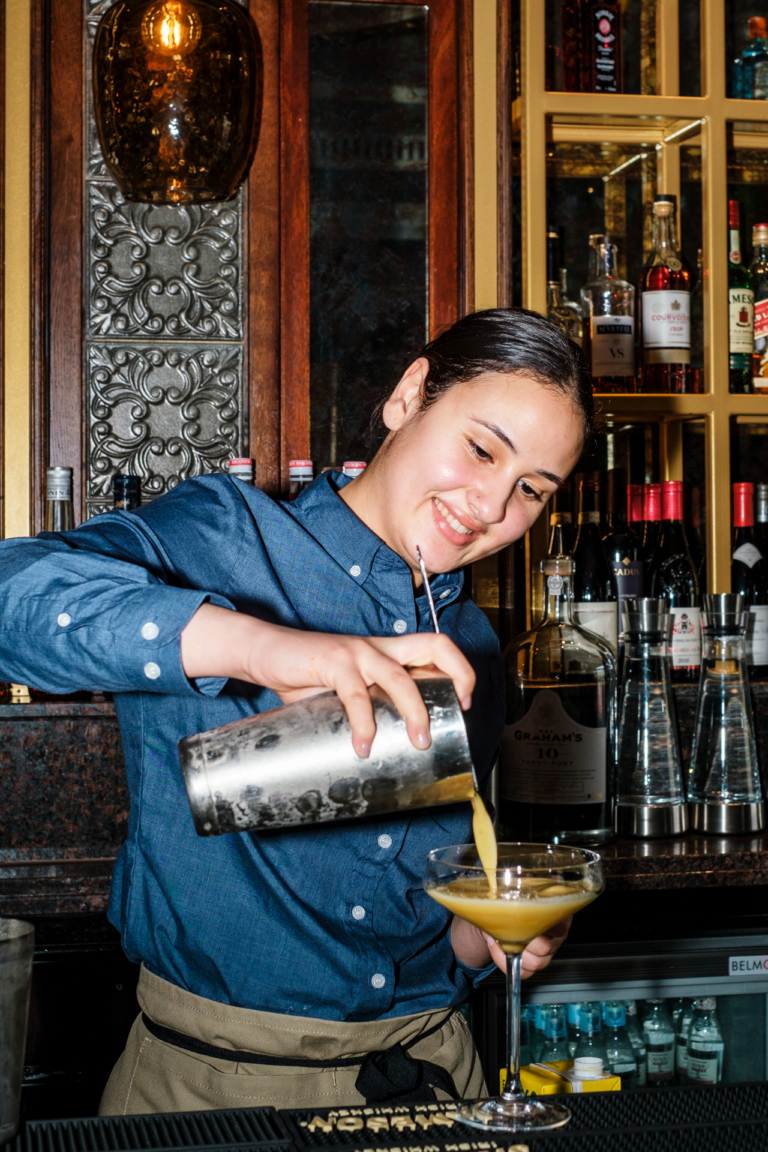
Personalities
A range of our team and personalities to be captured
Team members should appear friendly, helpful and open (not necessarily all at once)
Thoughtful Moments
We need to capture those thoughtful, guest-focused gestures that take The Clermont from a great stay to a memorable one.
- Relaxed compositions
- Candidly positioned
- Guest’s perspective
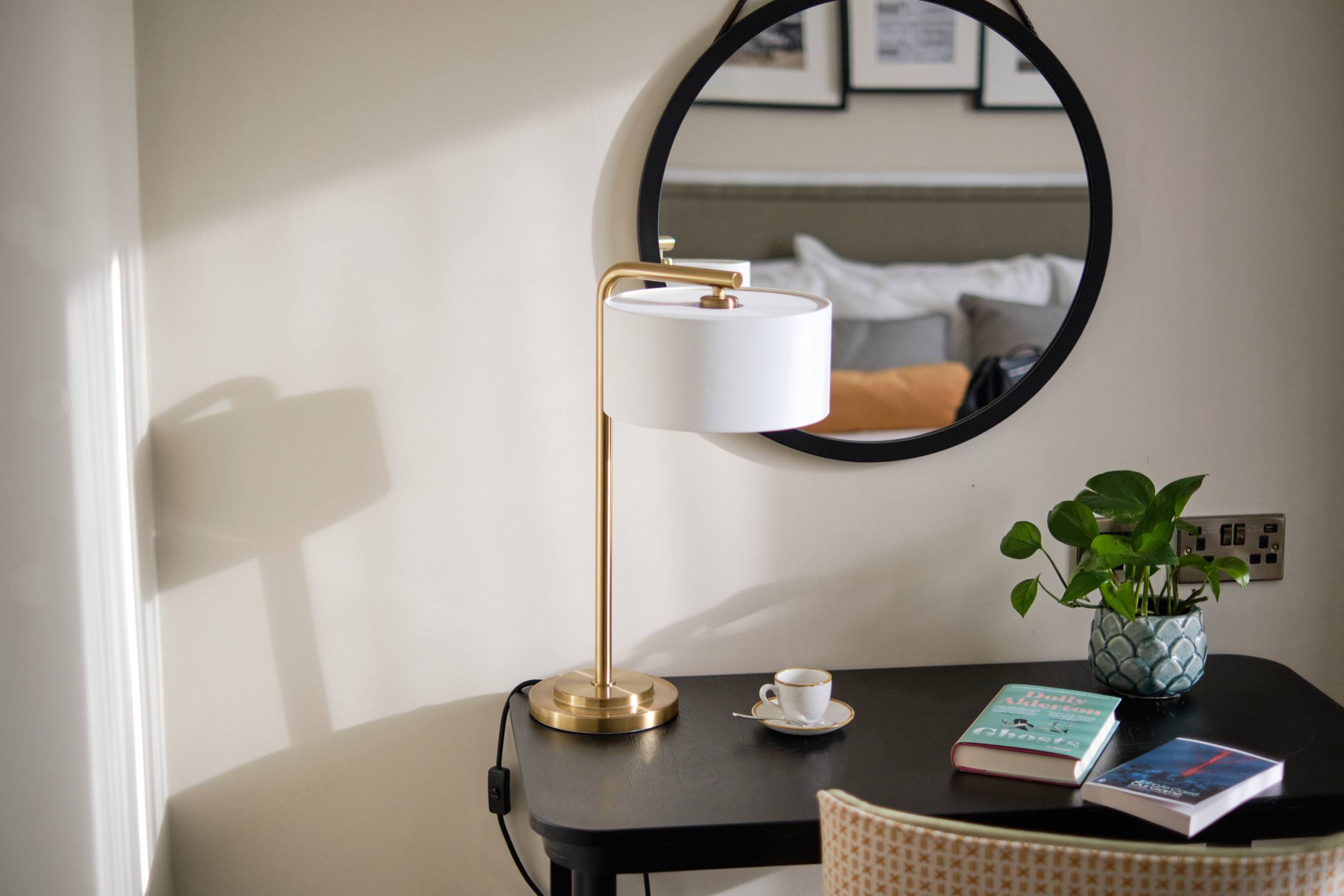
Lighting & Mood
Lighting and mood can adapt to the occasion, but natural light is best used where possible
Details should never be over or under exposed
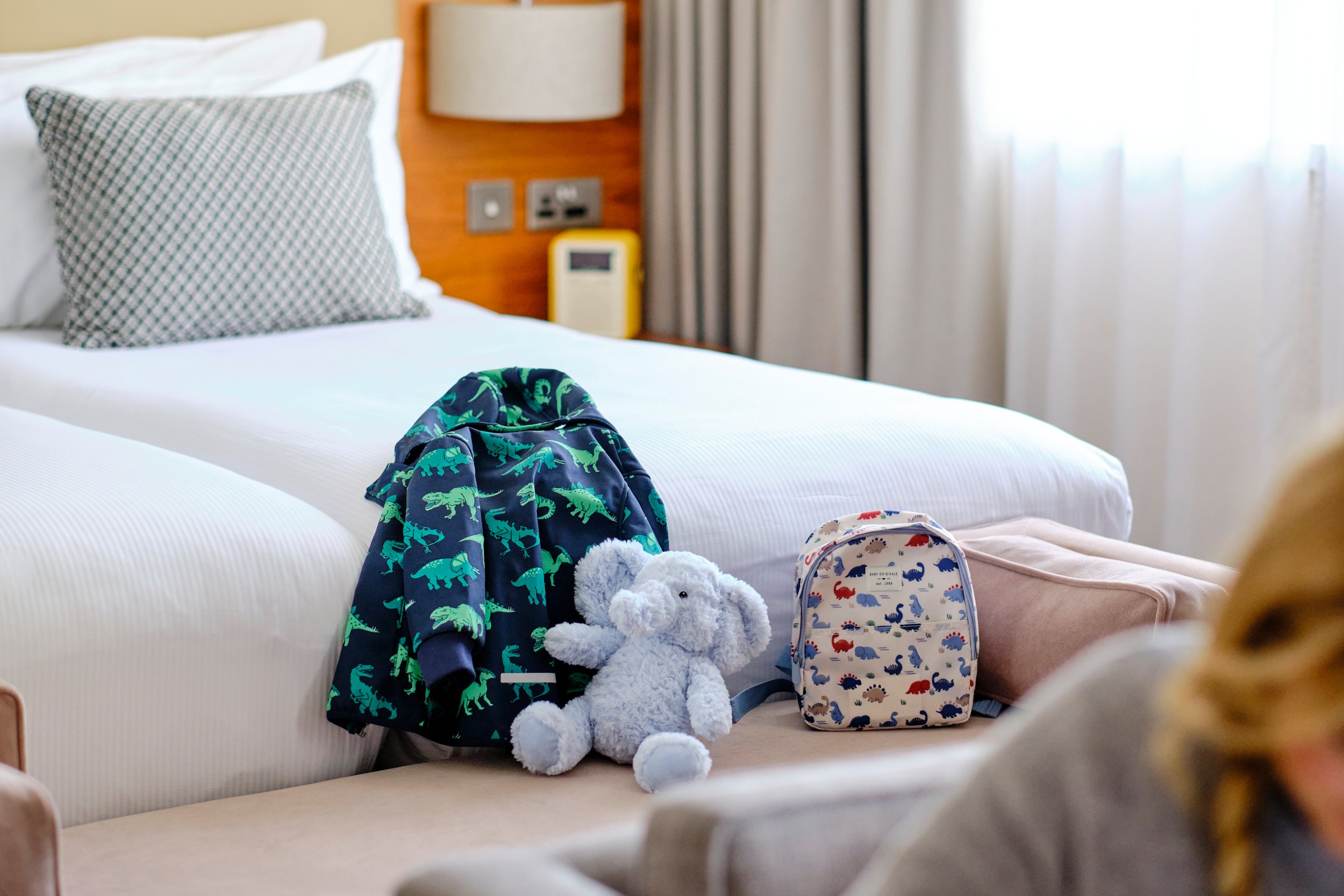
Composition
Make sure compositions show naturally thoughtful moments, not forced ones
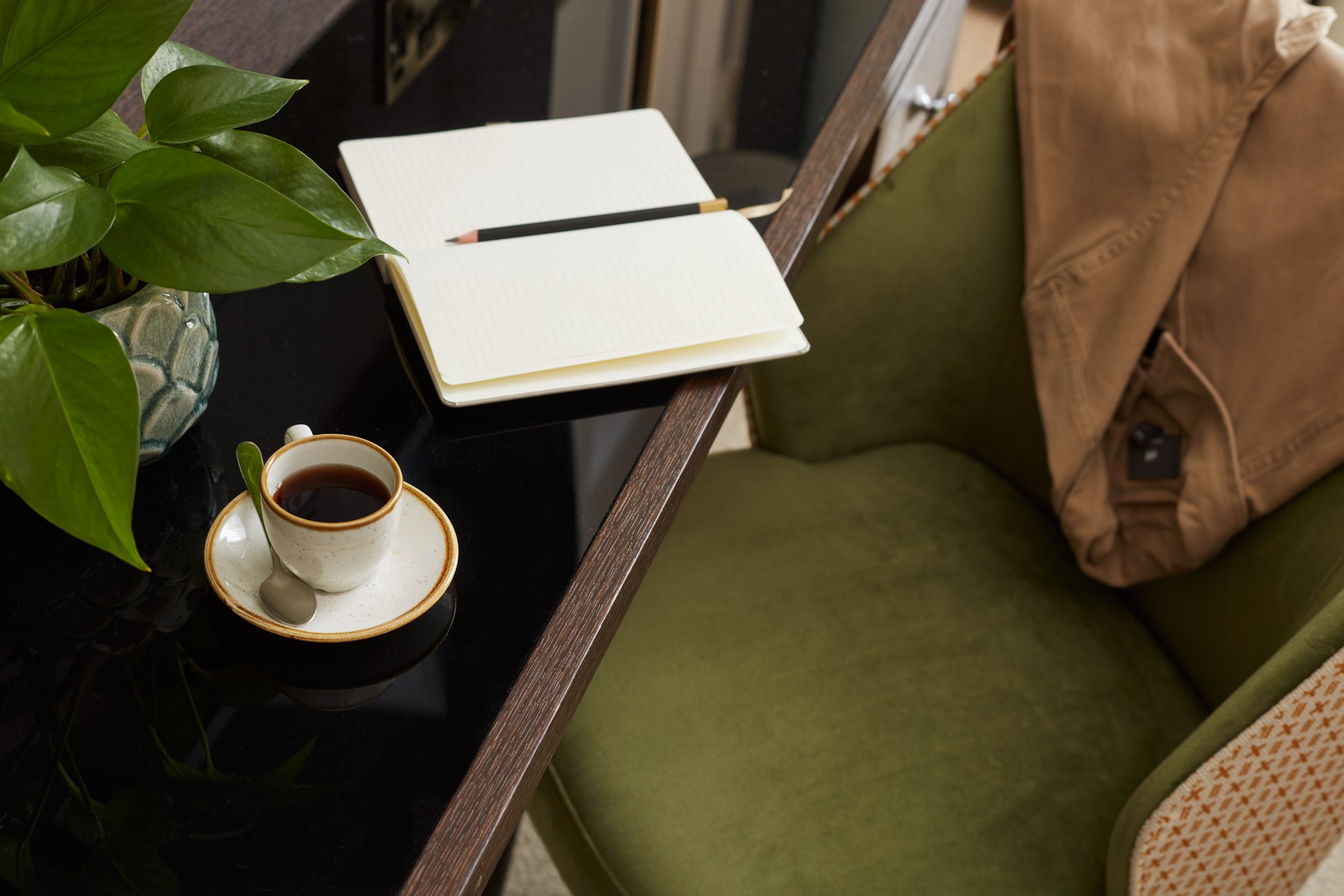
Styling
A pen with a note. A coffee perched next to a book. Add one or two subtle props to elevate the scene
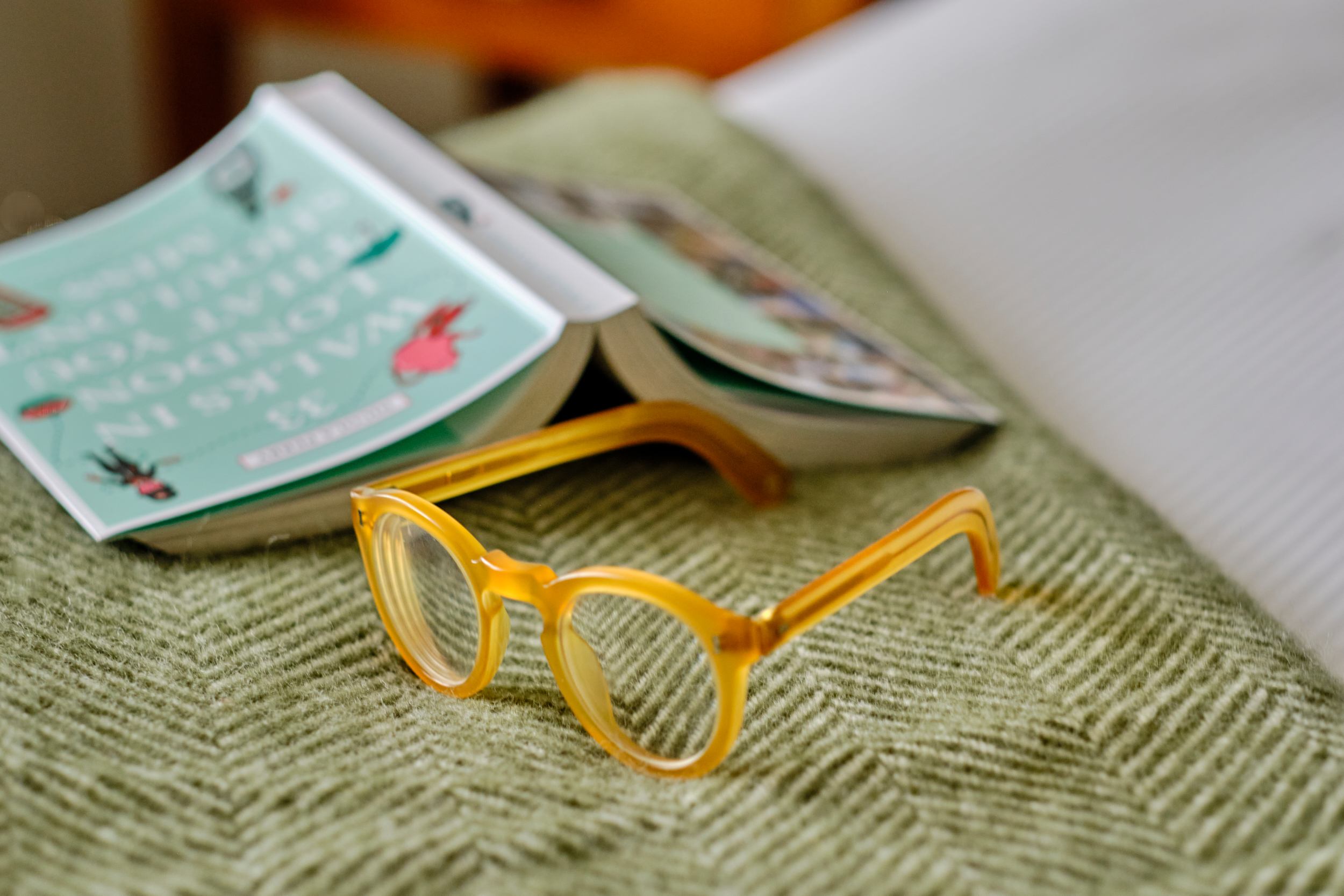
Human Presence
Eliminate the need for posed shots by creating a sense of human presence i.e. creased sheets, a ruffled pillow, a pair of glasses
Avoid the following common mistakes when photographing people and experiences
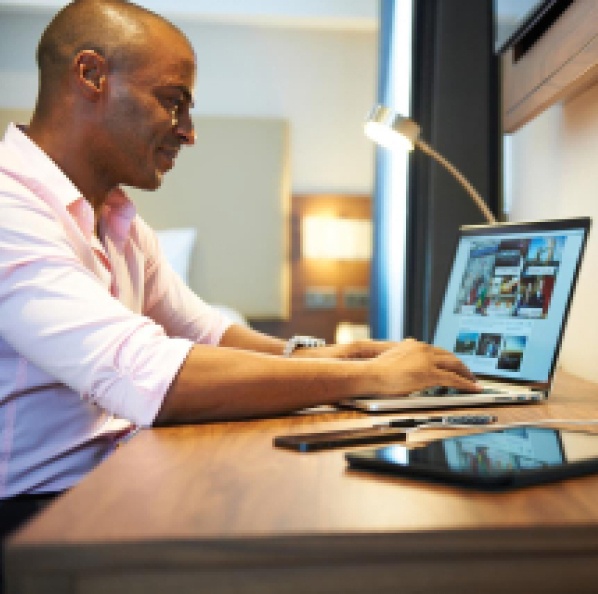
Make sure photos are straightened up in post production
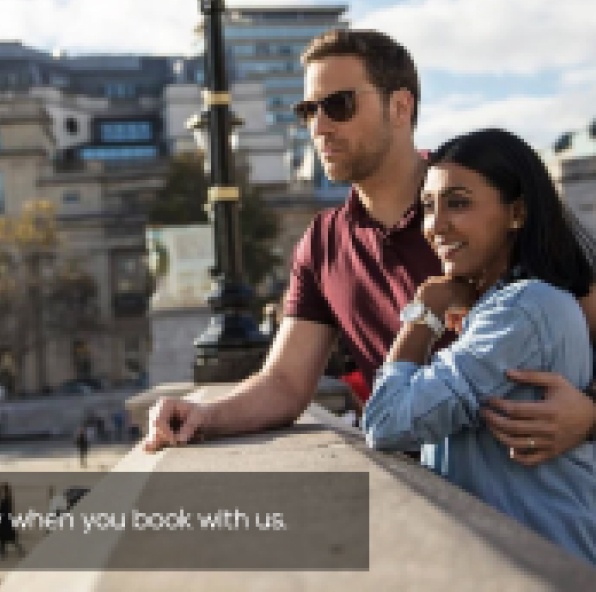
Ensure shots don't feel overly posed
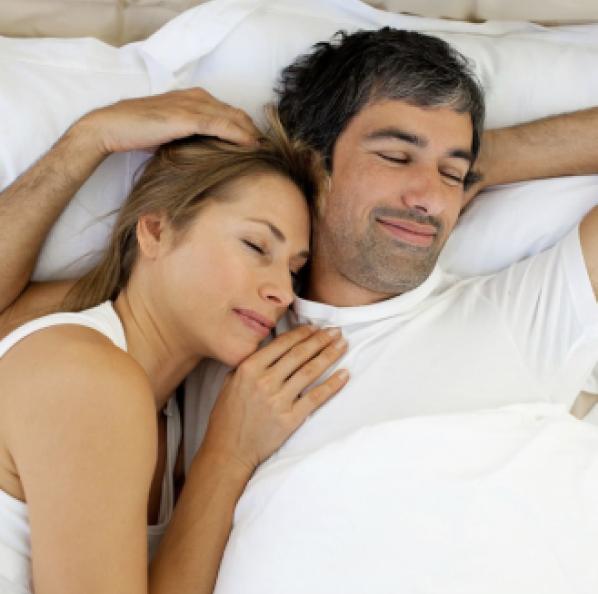
Don’t shoot in unrealistic scenarios, the photos should be candid
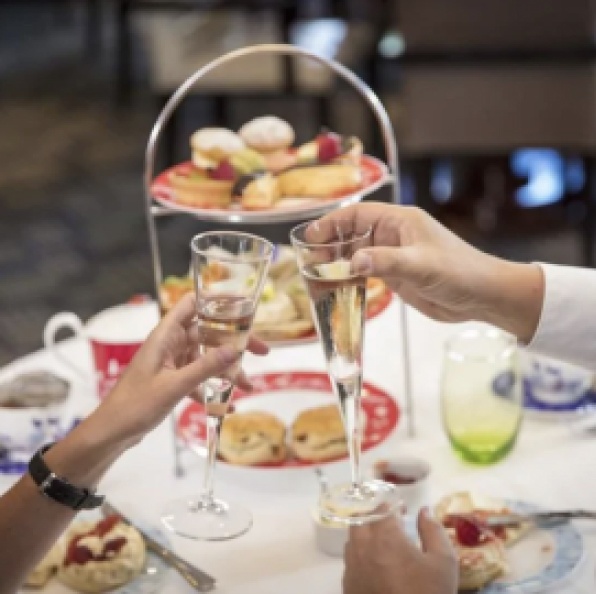
Don’t over-style or clutter compositions
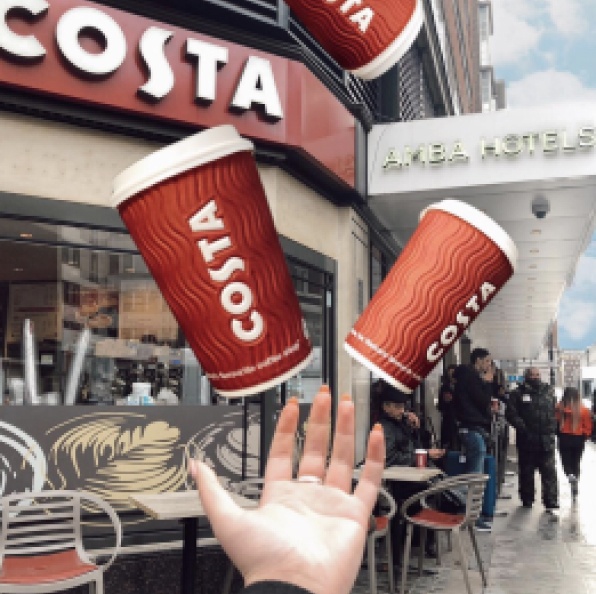
Don’t photoshop people into the photo
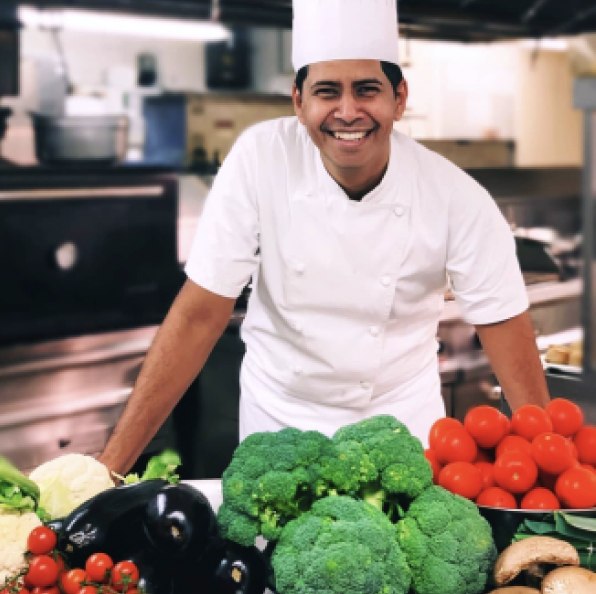
Don’t style props in an obvious or forced way
There are five areas of people and experiences we need to capture: Breakfast, all day, fine dining, drinks and, lifestyle & process.
Breakfast
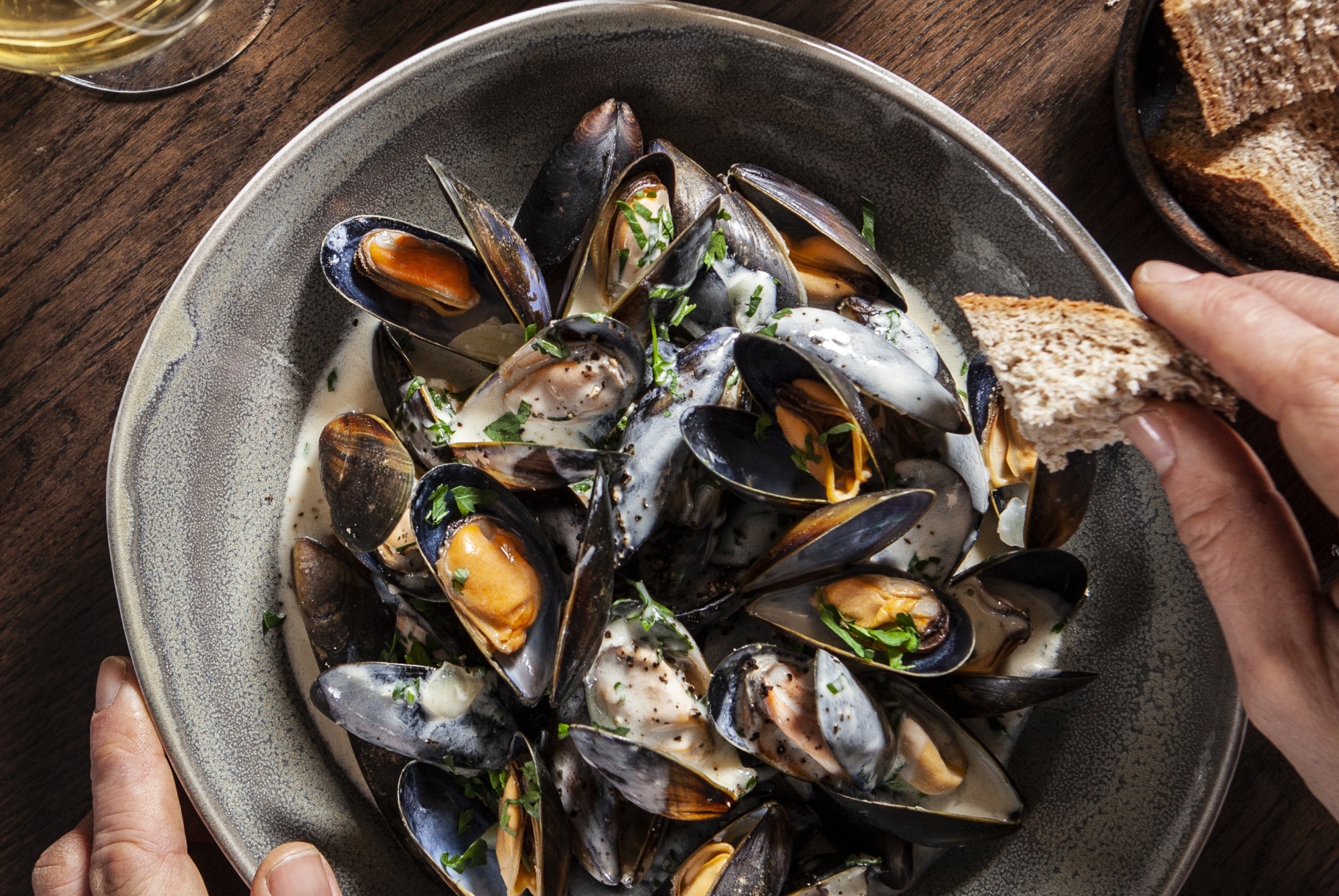
Breakfast is the most relaxed offering within each hotel with guests serving themselves. So dishes should look fresh feel like a guest has put their plate together themselves
- Abundant offering
- Shoot with morning light
- Focus on a guest’s experience
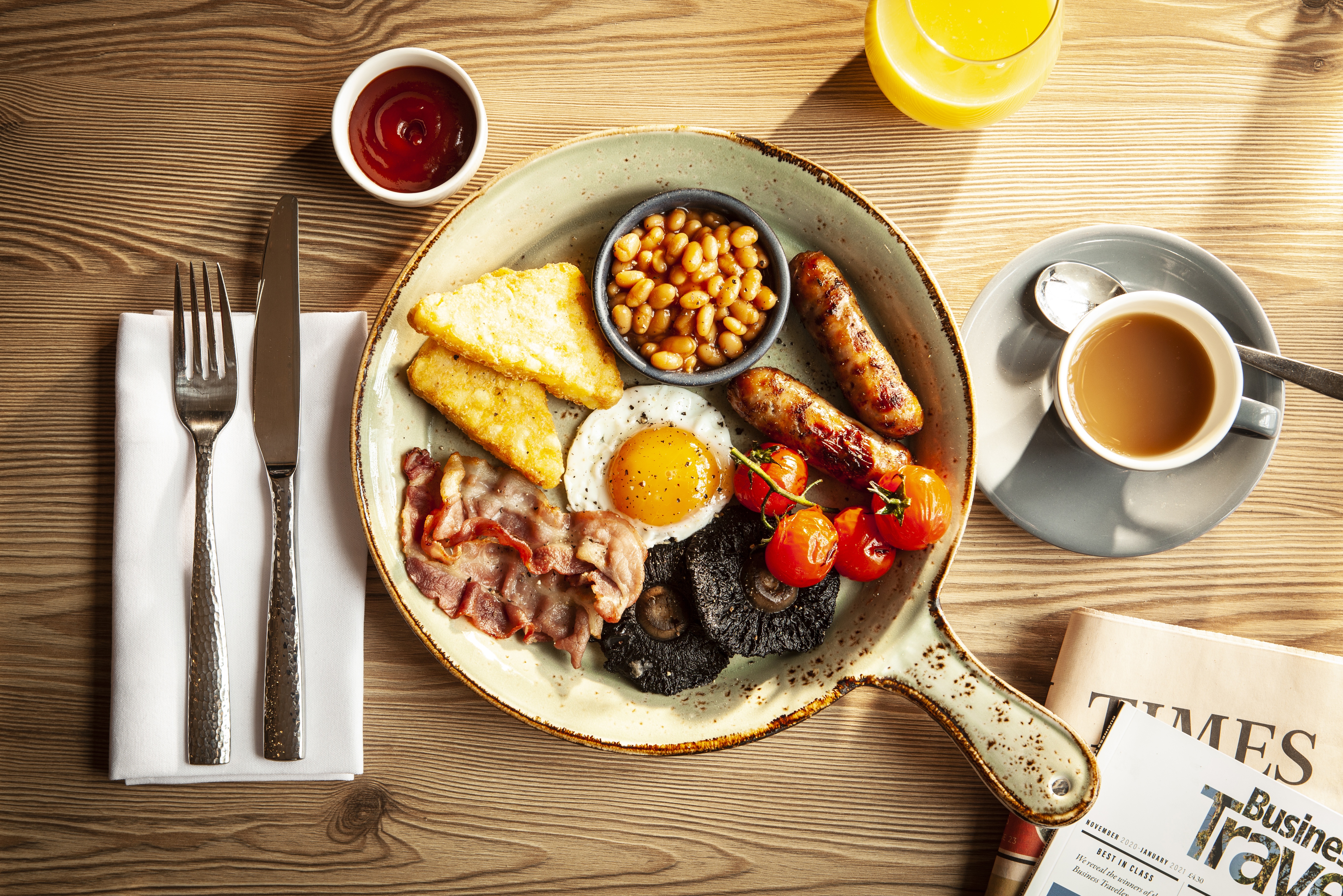
Lighting & Mood
Create shots that appear to be shot in natural morning light
Cast long shadows to create a sense of sun rise
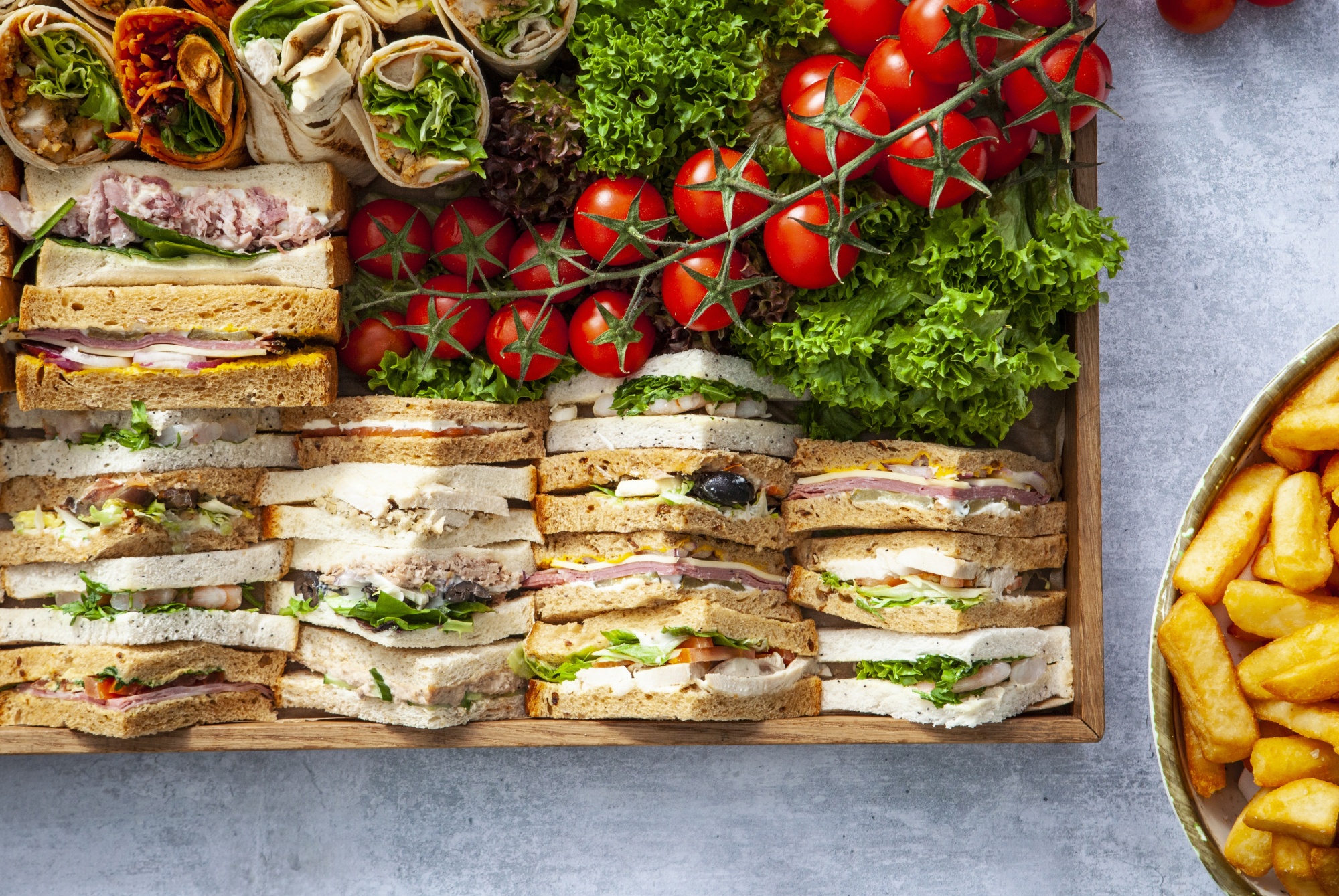
Composition
Capture the abundance of the buffet with overhead shots, focusing in on details
Sell the experience as beautifully as possible, rather than showing exactly how it’s served
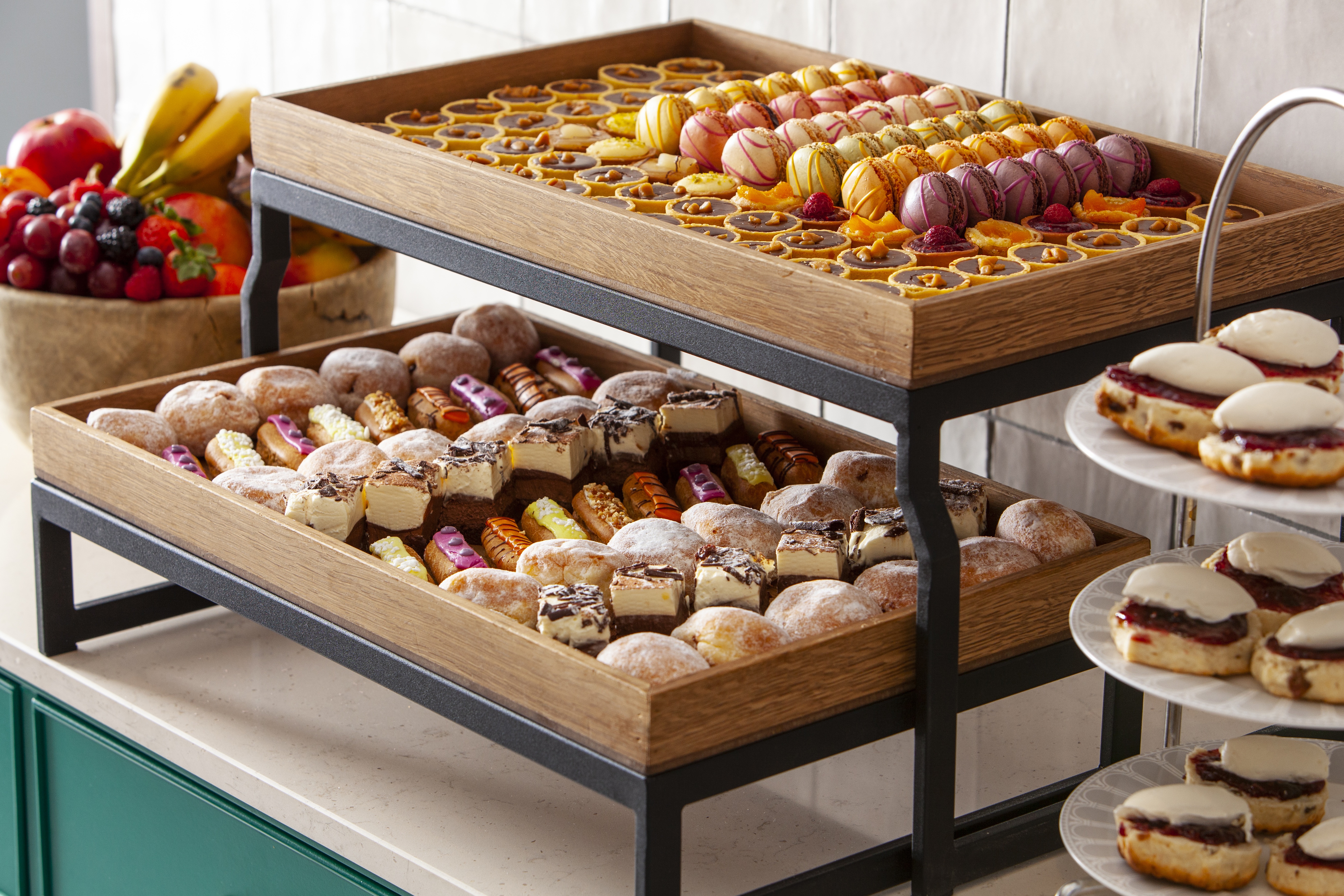
Styling
Create relaxed tables setting showcasing the breadth of the buffet offering
Human Presence
Candid shots of hands interacting with the food helps to create a natural, relaxed feel
All Day
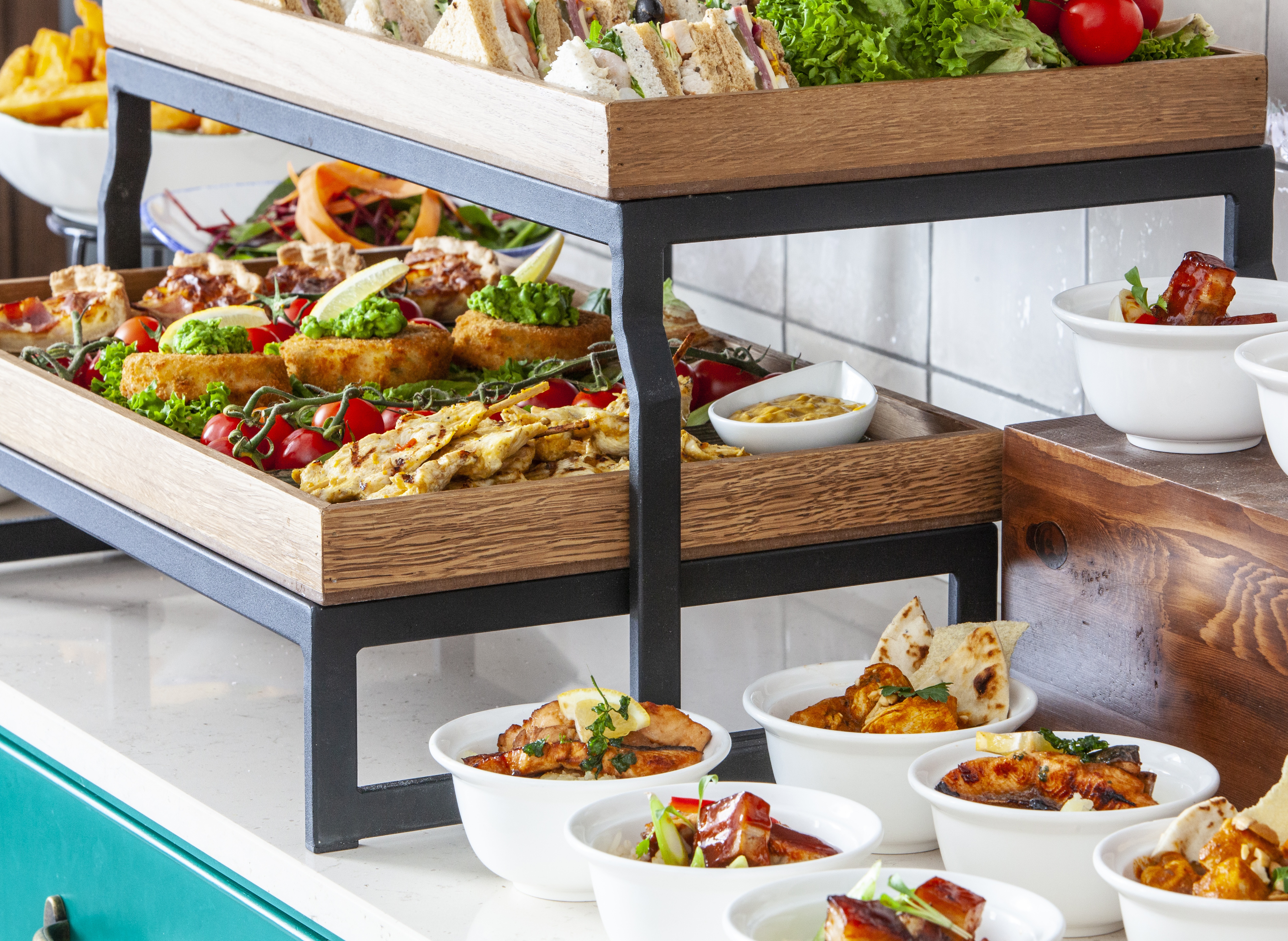
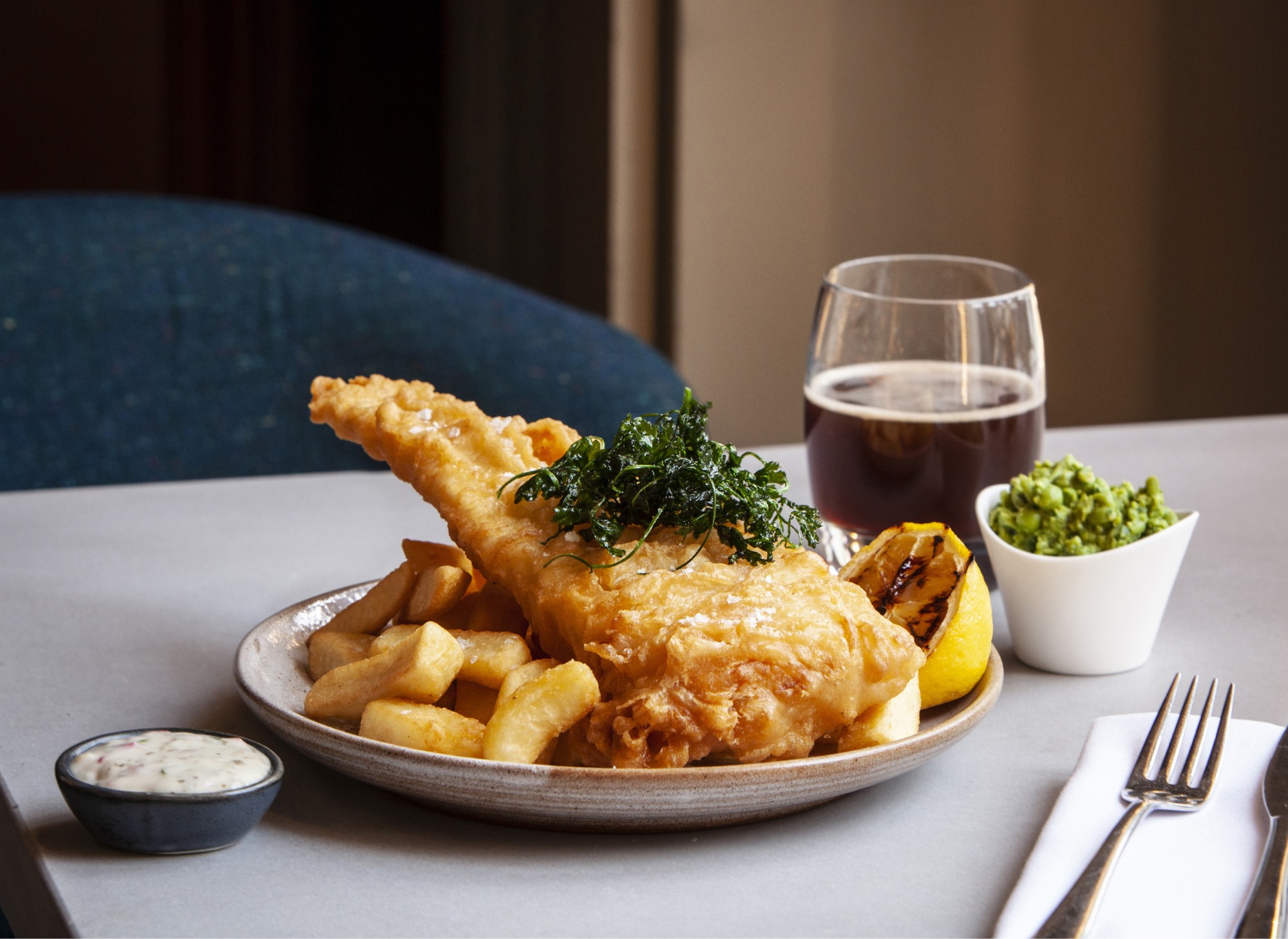
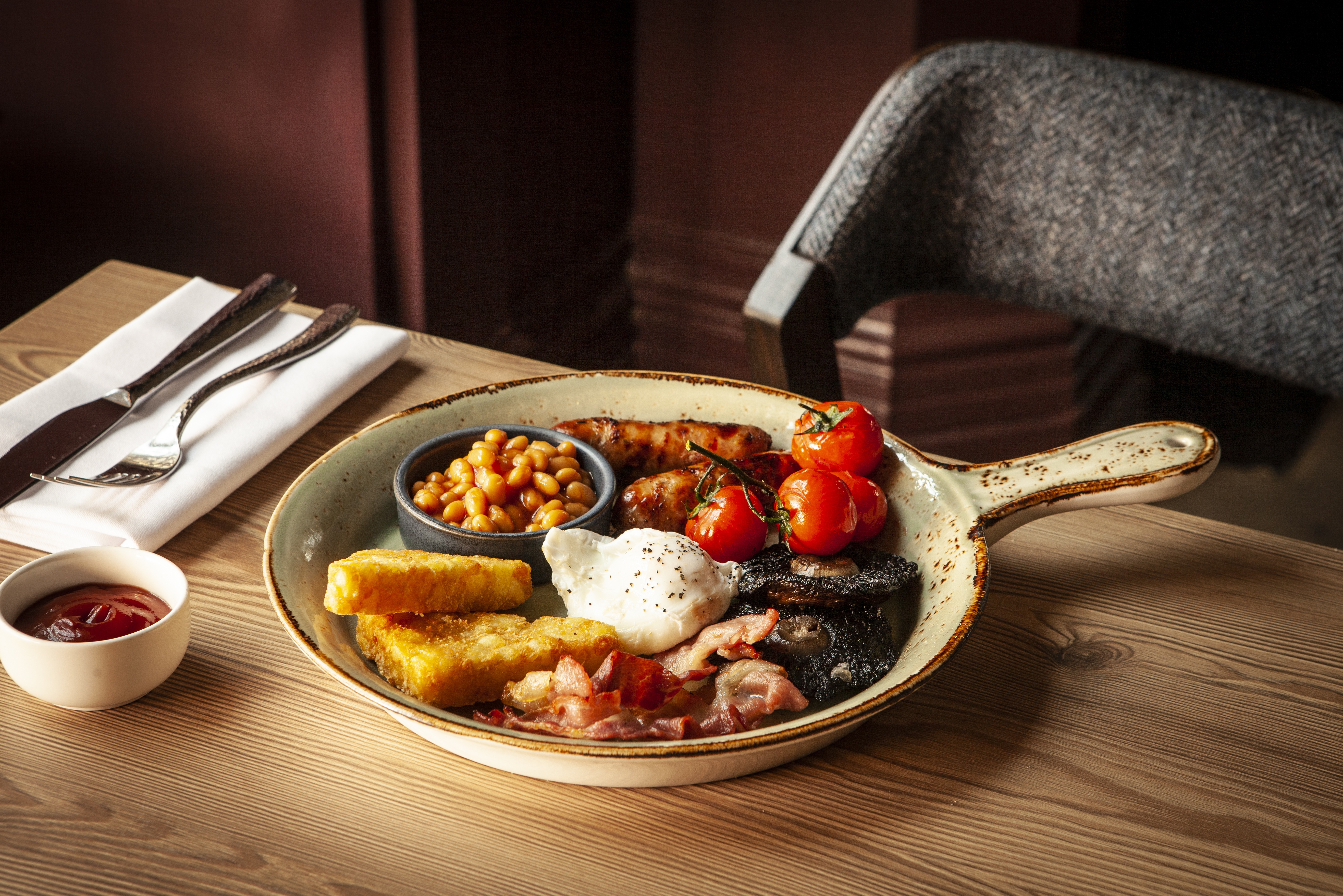
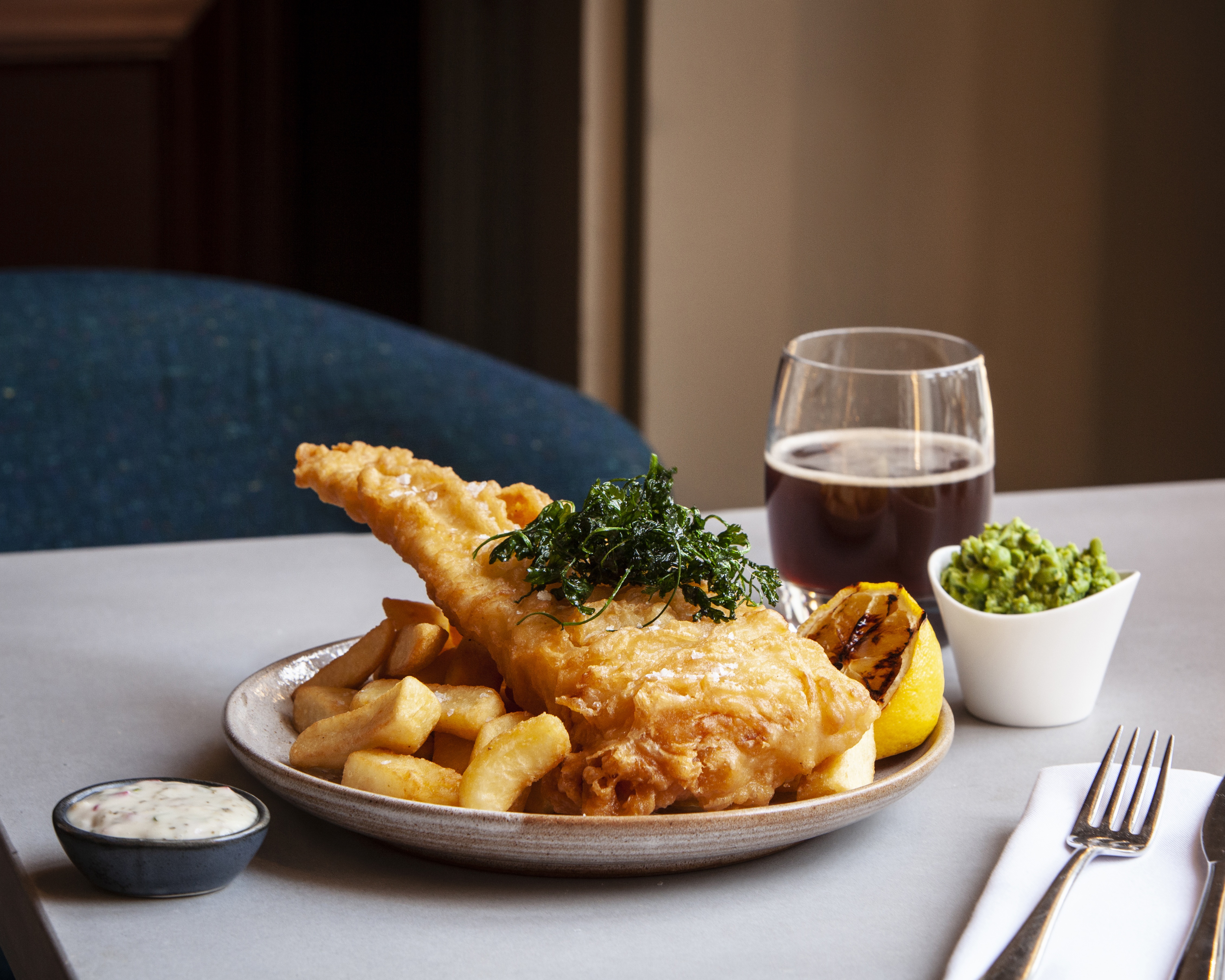
A range of dishes will need to be portrayed to cover the breadth of the all day offering. Lighting should be more neutral with shorter shadows than breakfast and dinner offerings. And compositions should focus predominantly on the food rather than its surroundings.
- Close up shots
- Capture group meals
- Relaxed styling
Lighting & Mood
Use brighter lighting to hint at the time of day
Composition
Focus on the food with close-up shots of dishes, whilst hinting at human presence via other products sat in the background
Styling
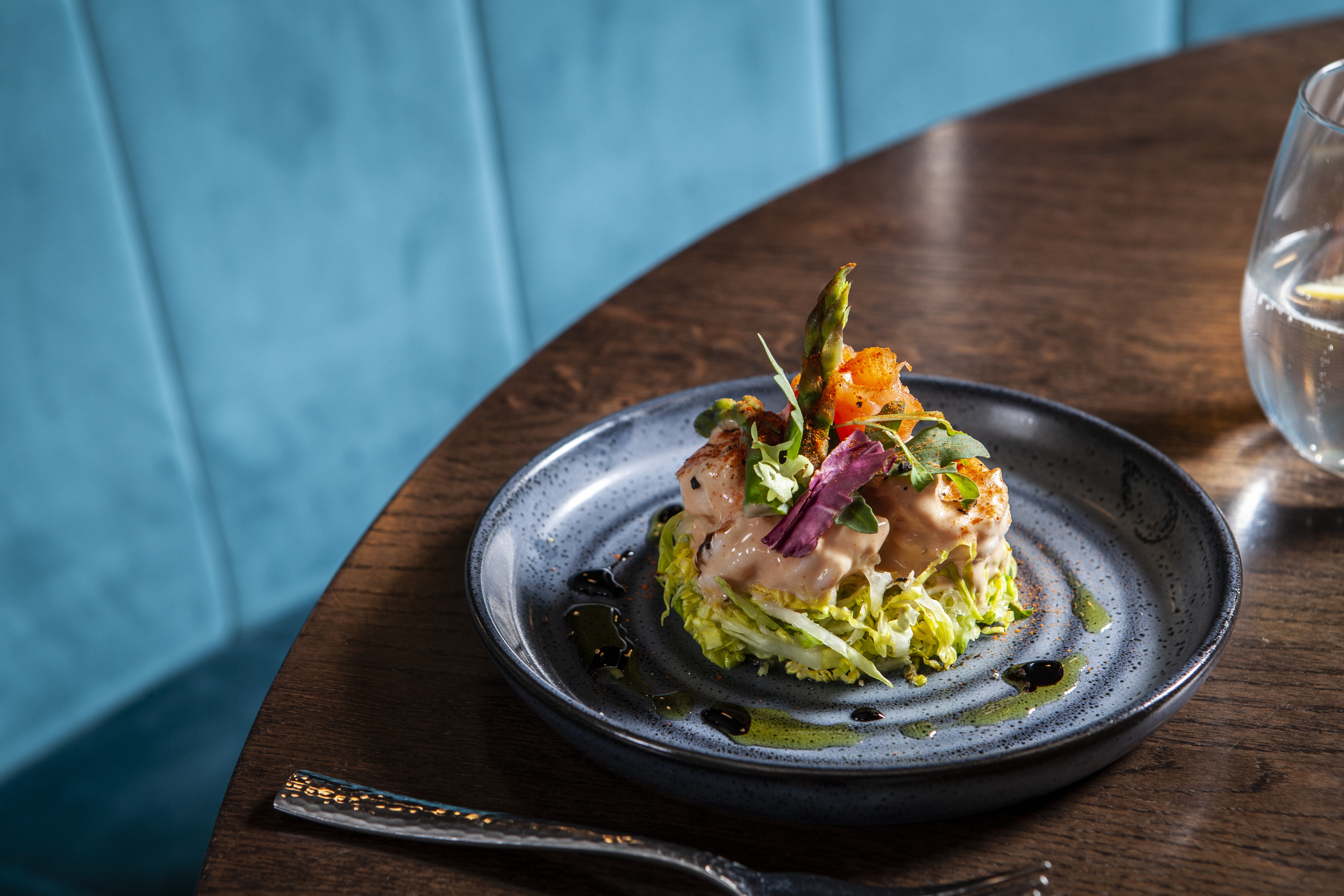
Natural table layouts with a sense that the guest is present, and the scene active
Include additional products/props that naturally align with the product e.g. red wine with steak, a bowl of parmesan with pasta
Human Presence
The occasional shot of a hand can help add additional dynamism to the shot, as long as it doesn’t distract
Fine Dining
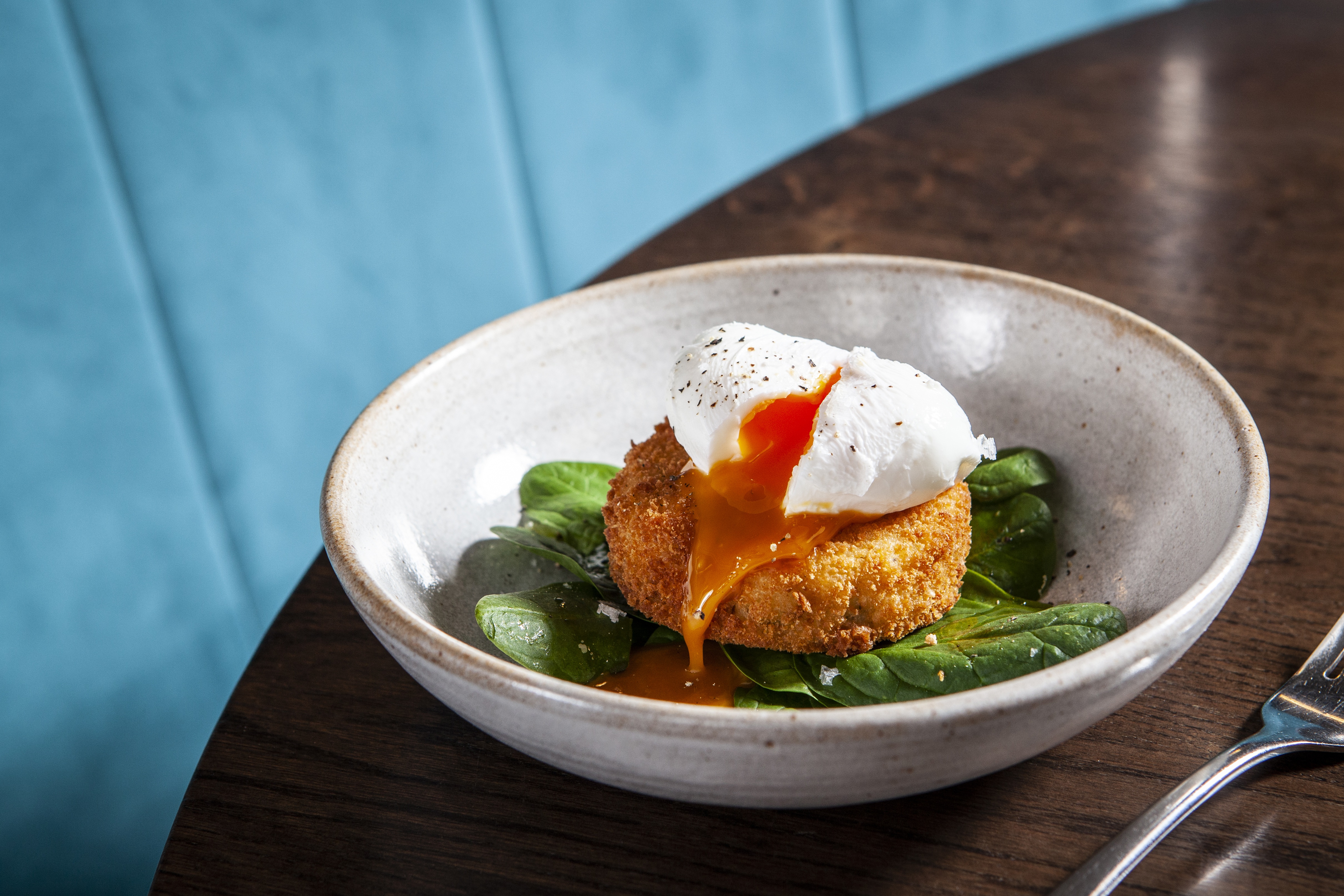
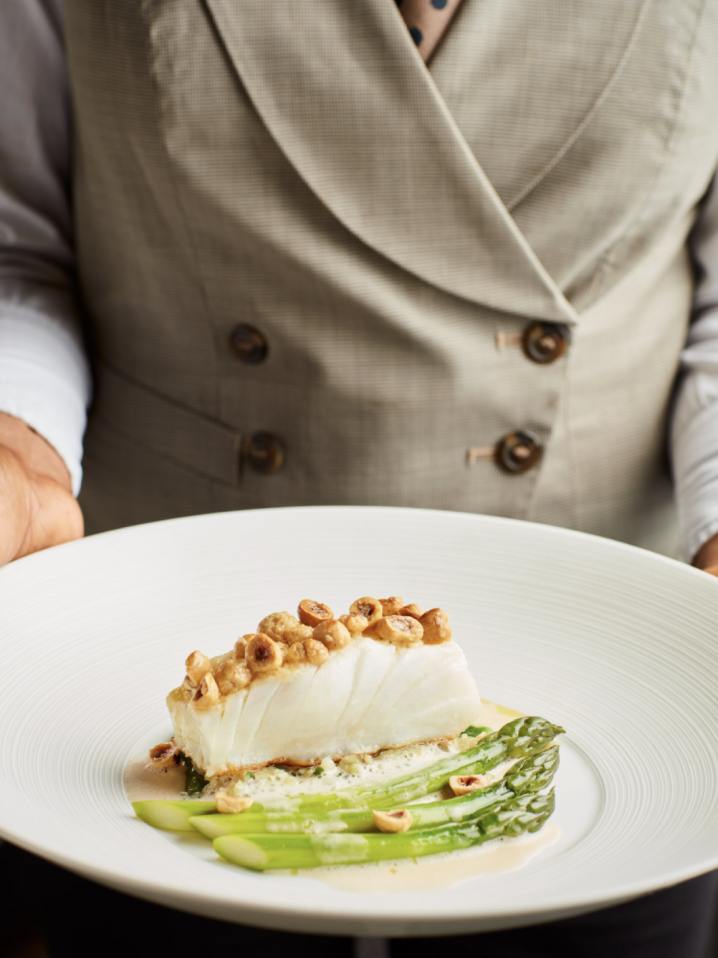
The focus on fine dining photography should be on one dish, with only one other interaction or prop to minimise over-cluttering. Any human interaction should be with a team member, to showcase the premium level of service.
- Simple composition
- Detail close-ups
- Minimal styling
Lighting & Mood
Even lighting, adaptable to daytime or evening
Composition
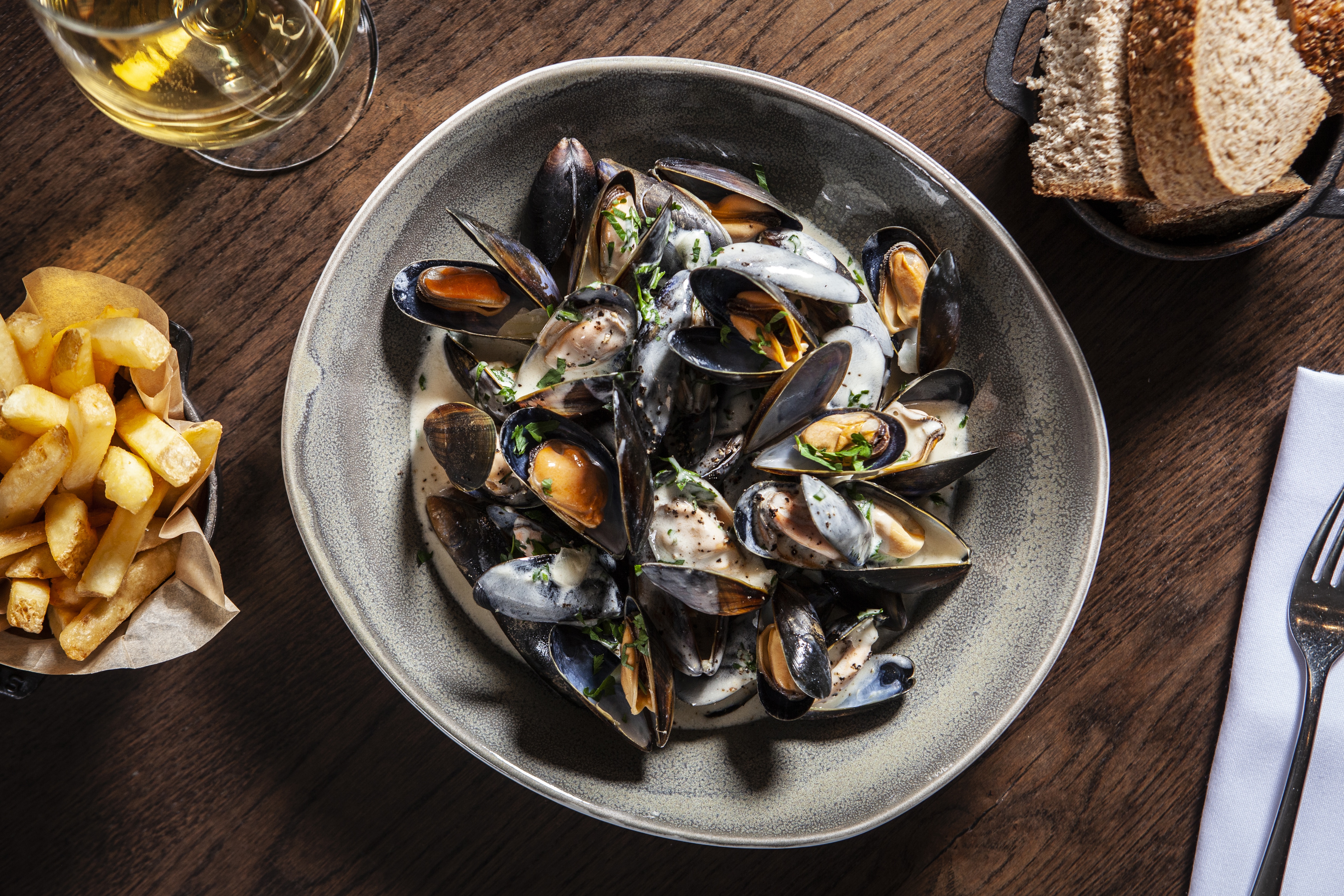
Simplify compositions with one dish as the focus and perhaps one other on the perimeters
Styling
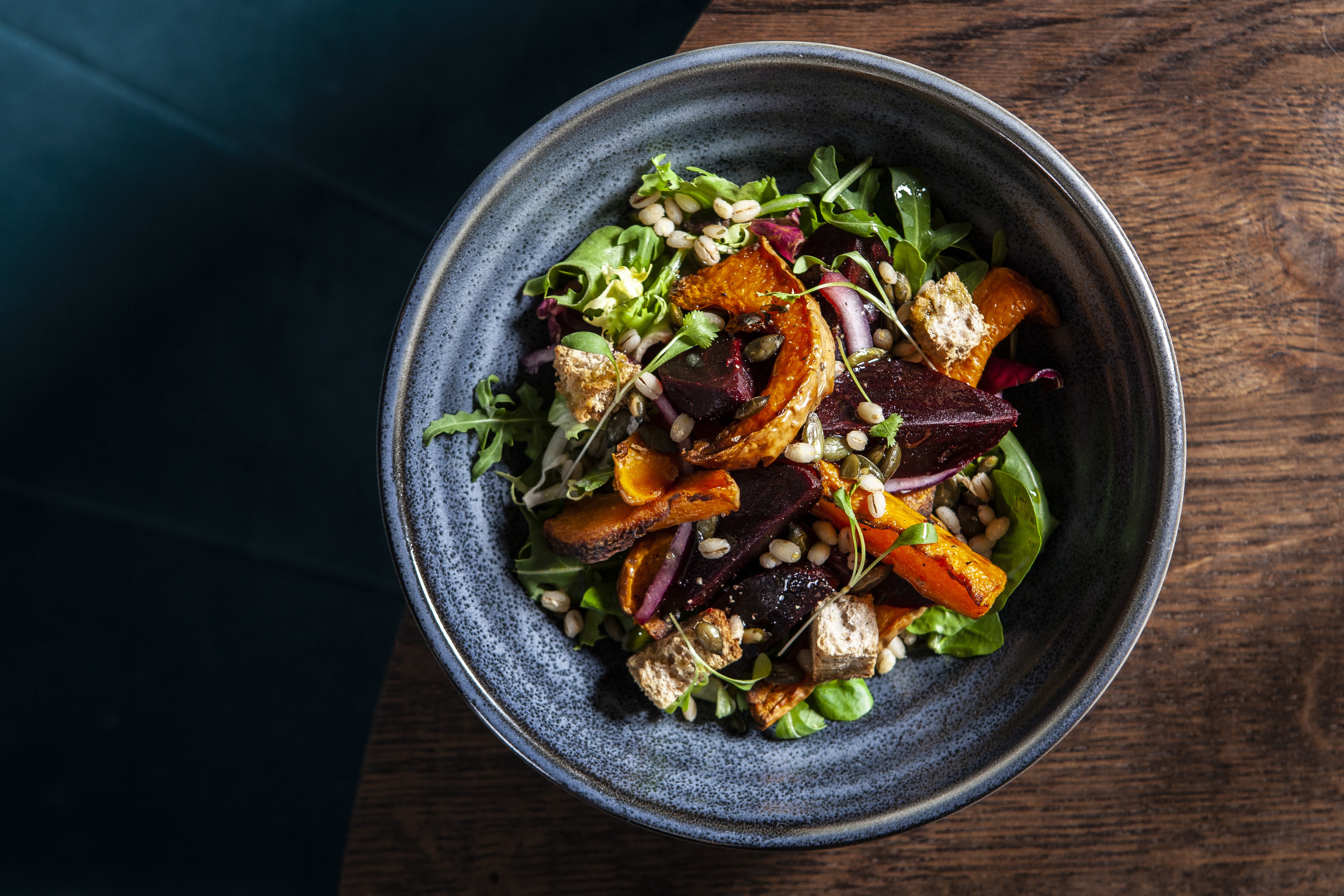
Use minimal styling with one other object if necessary
Ensure the plate is clean and that there are no spillages or smears
Food should look crisp and fresh out of the kitchen
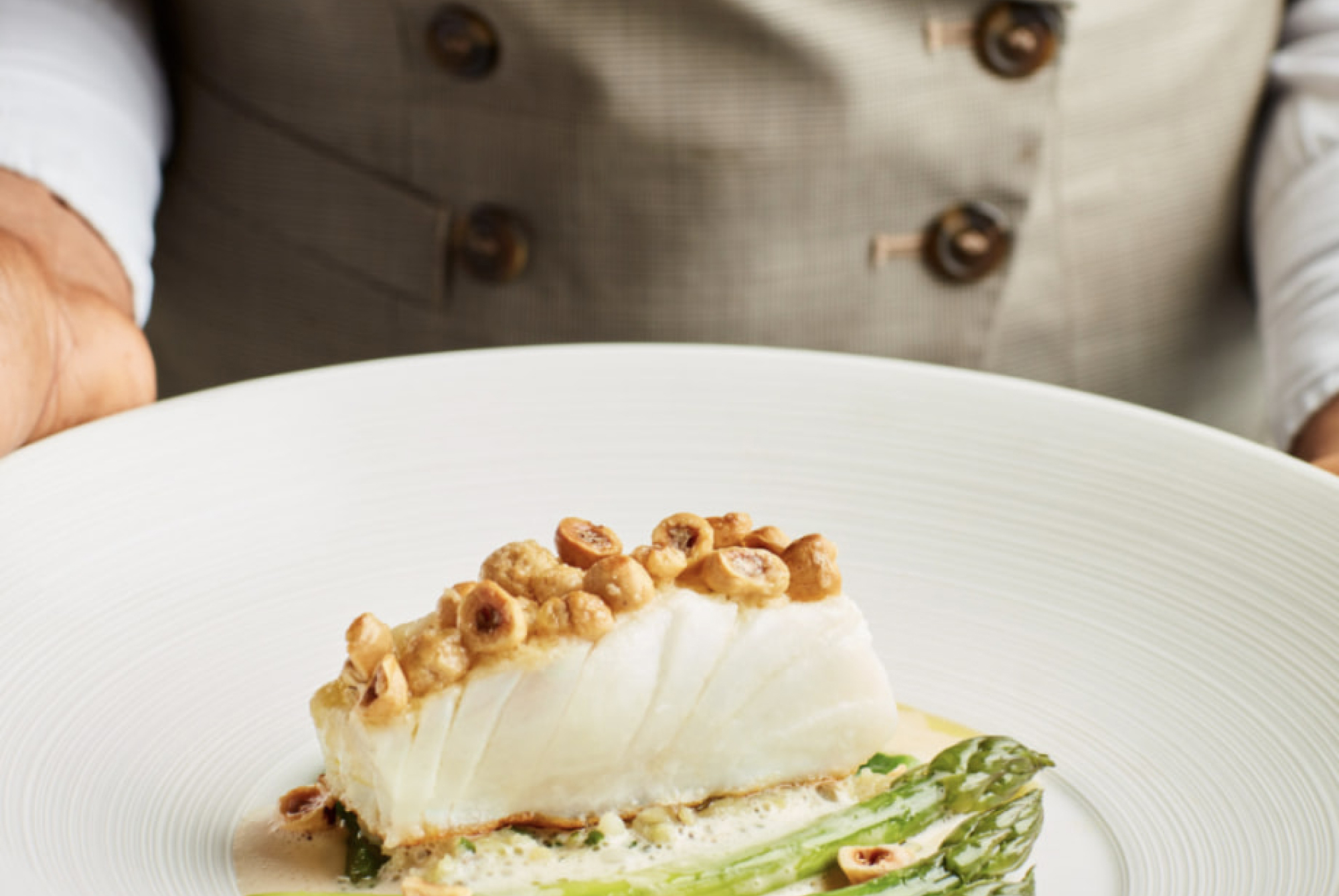
Human Presence
Any human presence should be of a team member serving the dish or pouring the drink
The focus should still be on the food with just a subtle nod to the uniform
Drinks
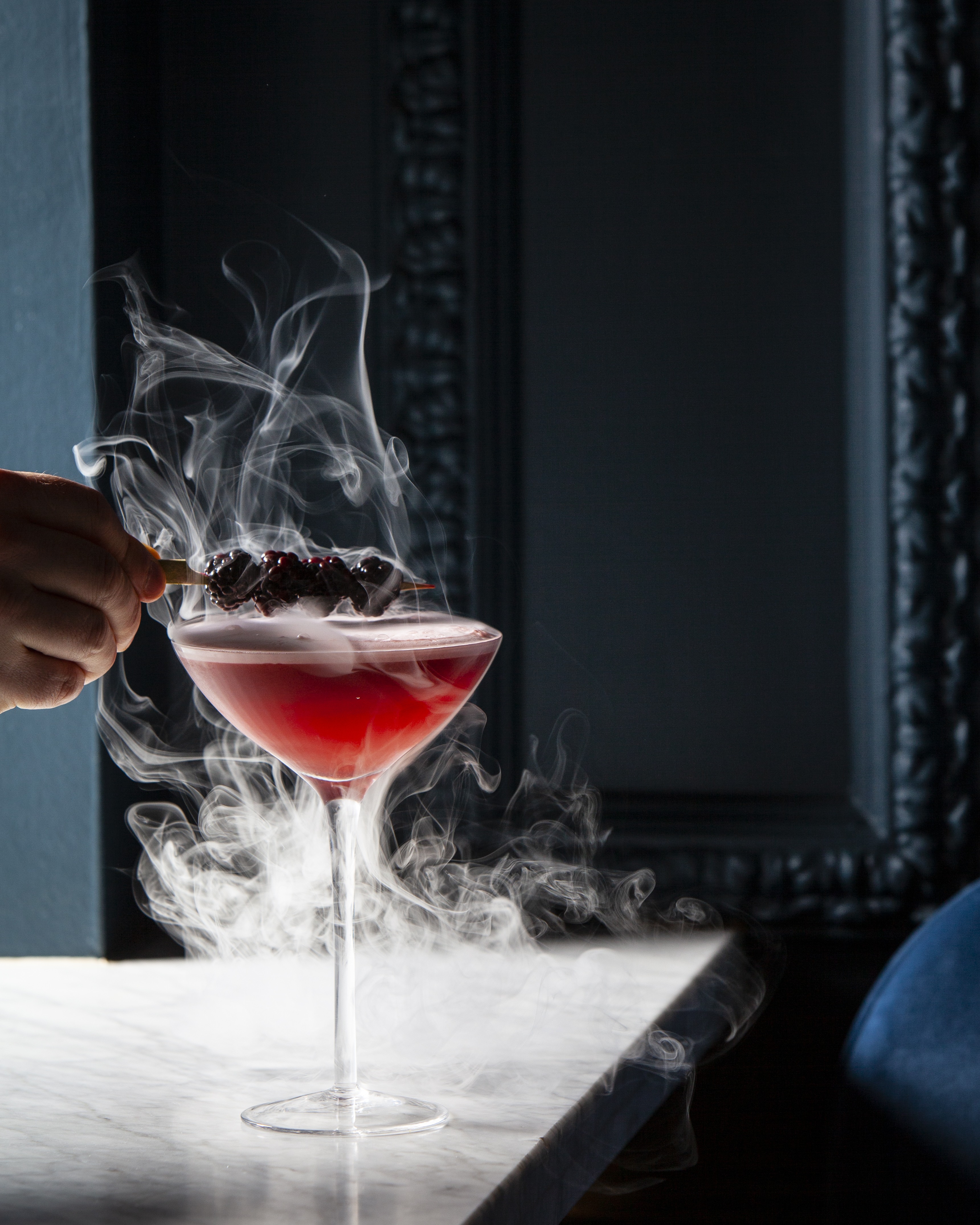
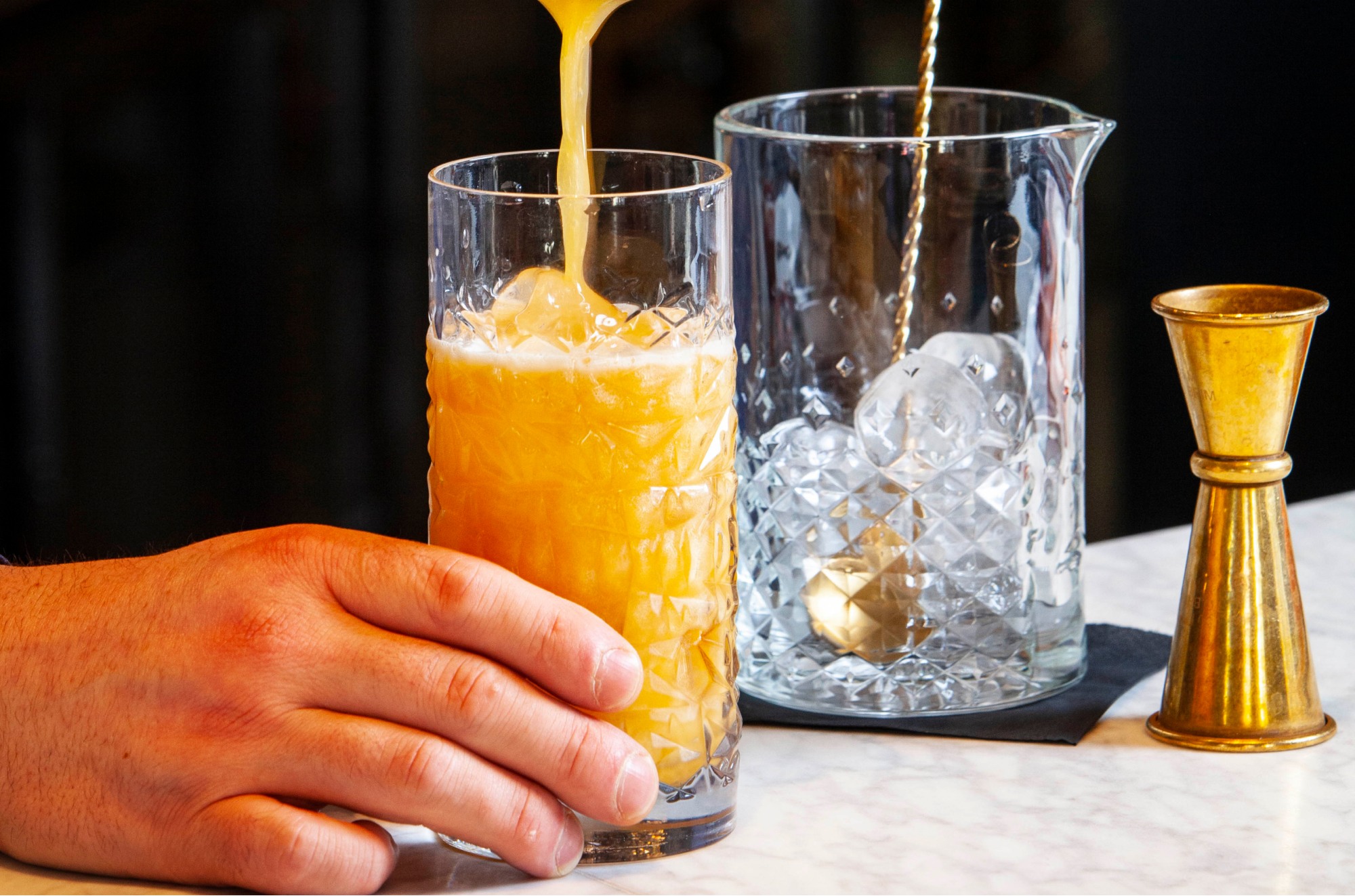
Drinks should always look freshly made and refreshingly cold. To show the level of craft that goes into each drink, photos can occasionally show the bartender finishing or serving the drink.
- Social setting
- Handmade
- Evening lighting
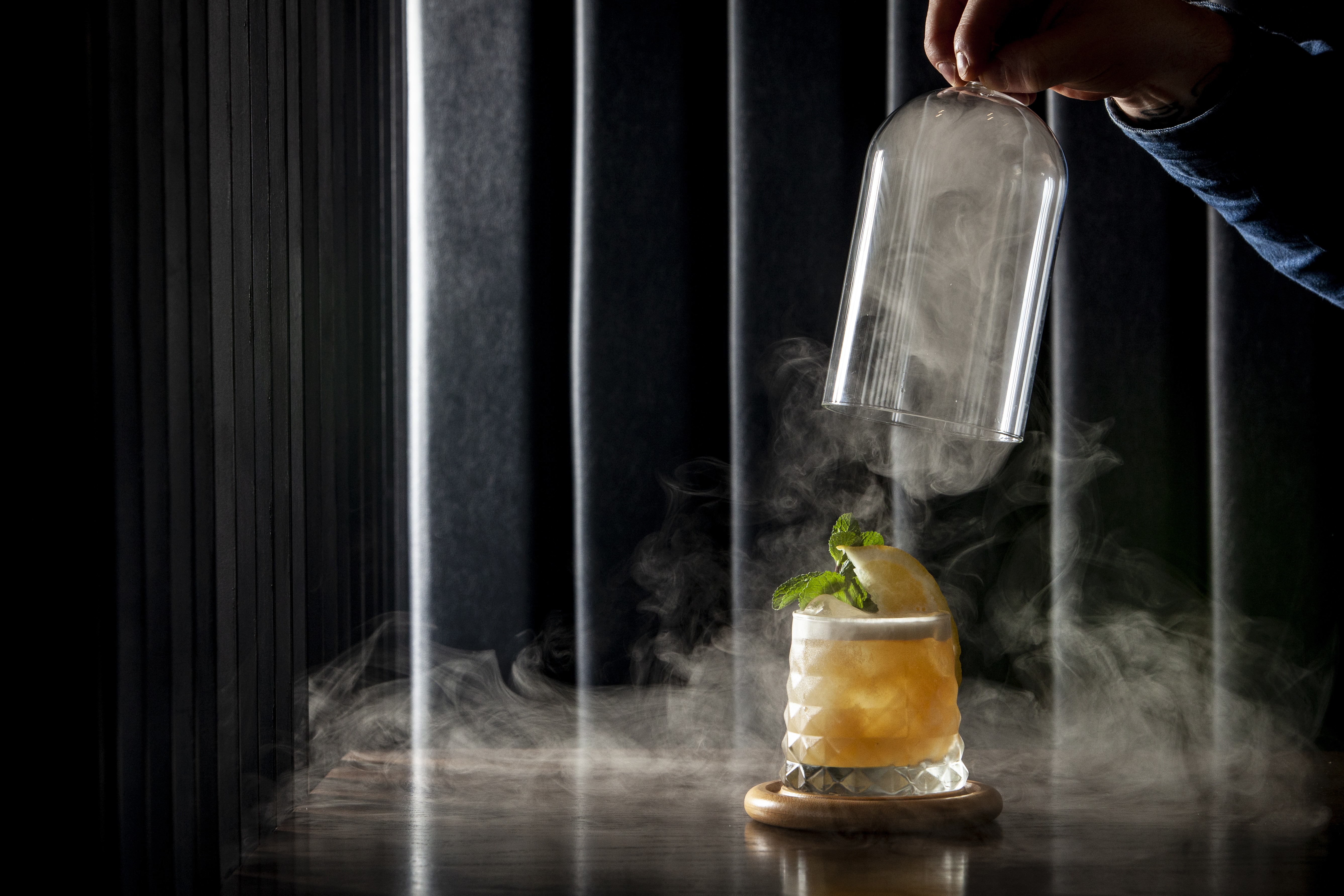
Lighting & Mood
These shots should be captured in evening to nighttime lighting
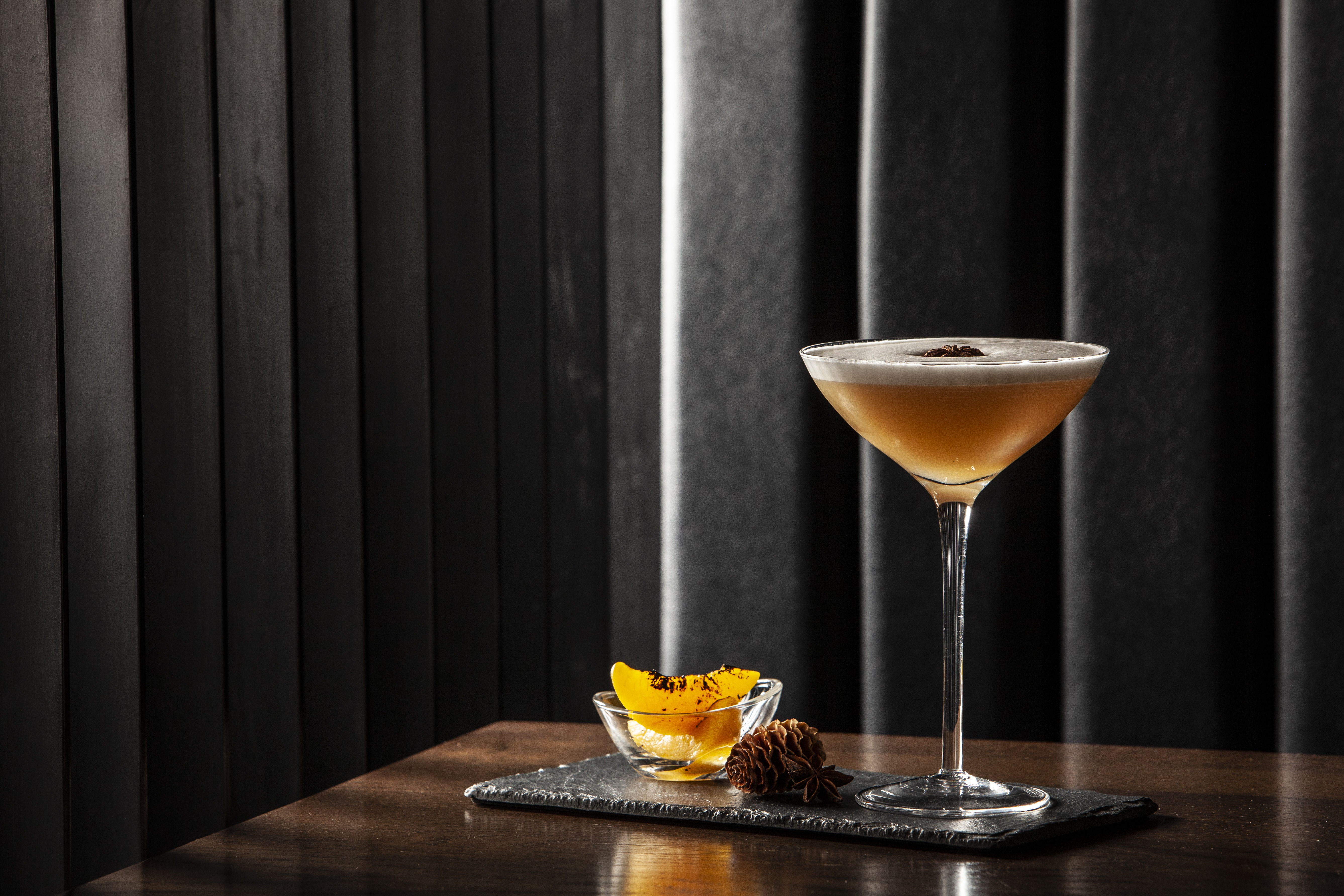
Composition
Interesting angles with the drink off-centered
Frame the shot with a hint of the surroundings in the backdrop
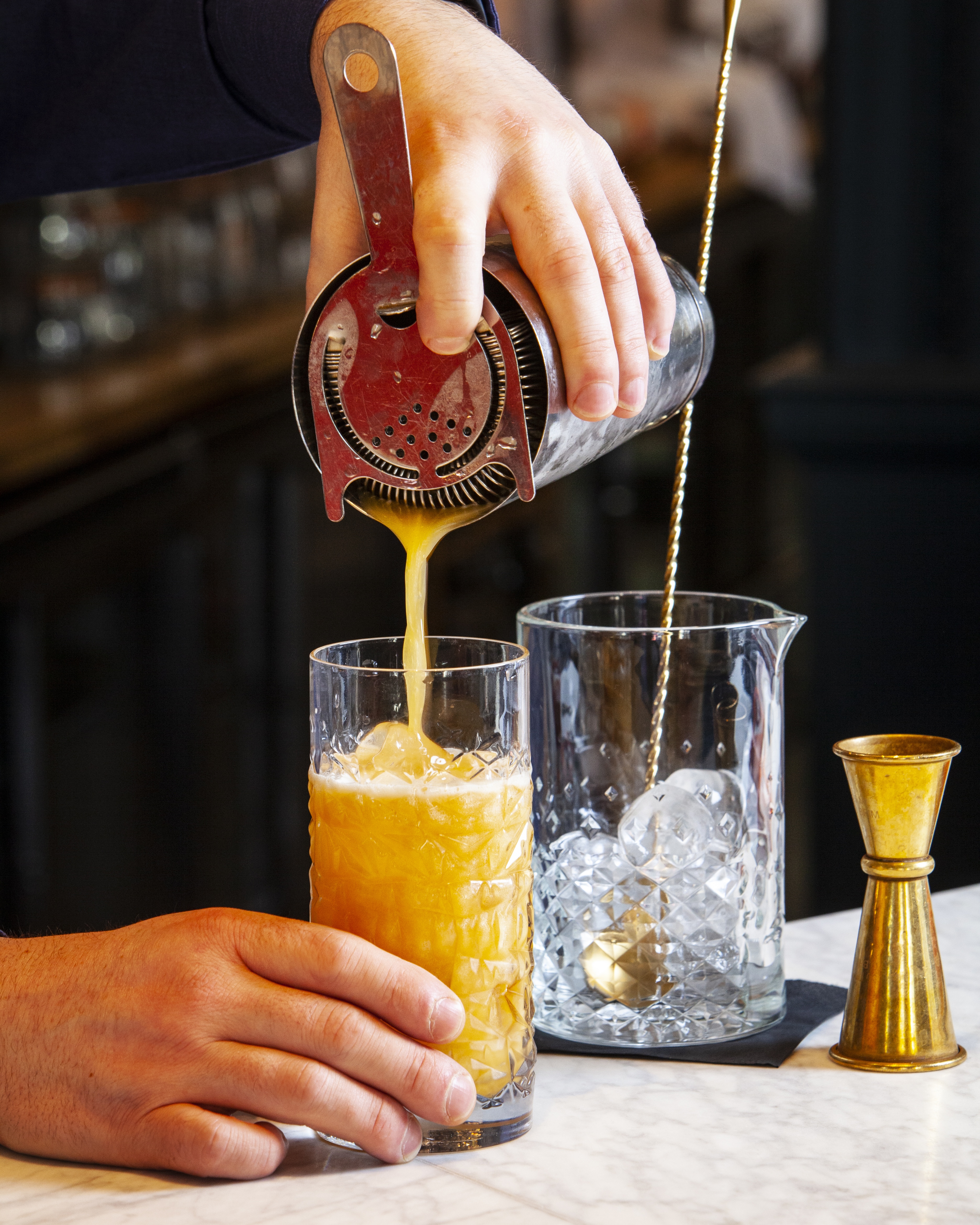
Styling
Don’t be afraid to show the process alongside the drink. It adds to the element of freshness
As does ensuring the drink looks ice cold
Human Presence
Natural interaction of a team member serving or finishing a drink
Guest hands holding the drinks can also be captured, but should never feel forced
Lifestyle & Process
Lifestyle and process shots should show food and drink in a broader context. These photos should set the scene. So let’s show the process creating the dishes, and make sure table compositions feel relaxed. And ensure lifestyle shots are not overused. These should only account for around 10% of the total bank.
- Culinary attention to detail
- Capturing atmosphere
- Shared moments
Lighting & Mood
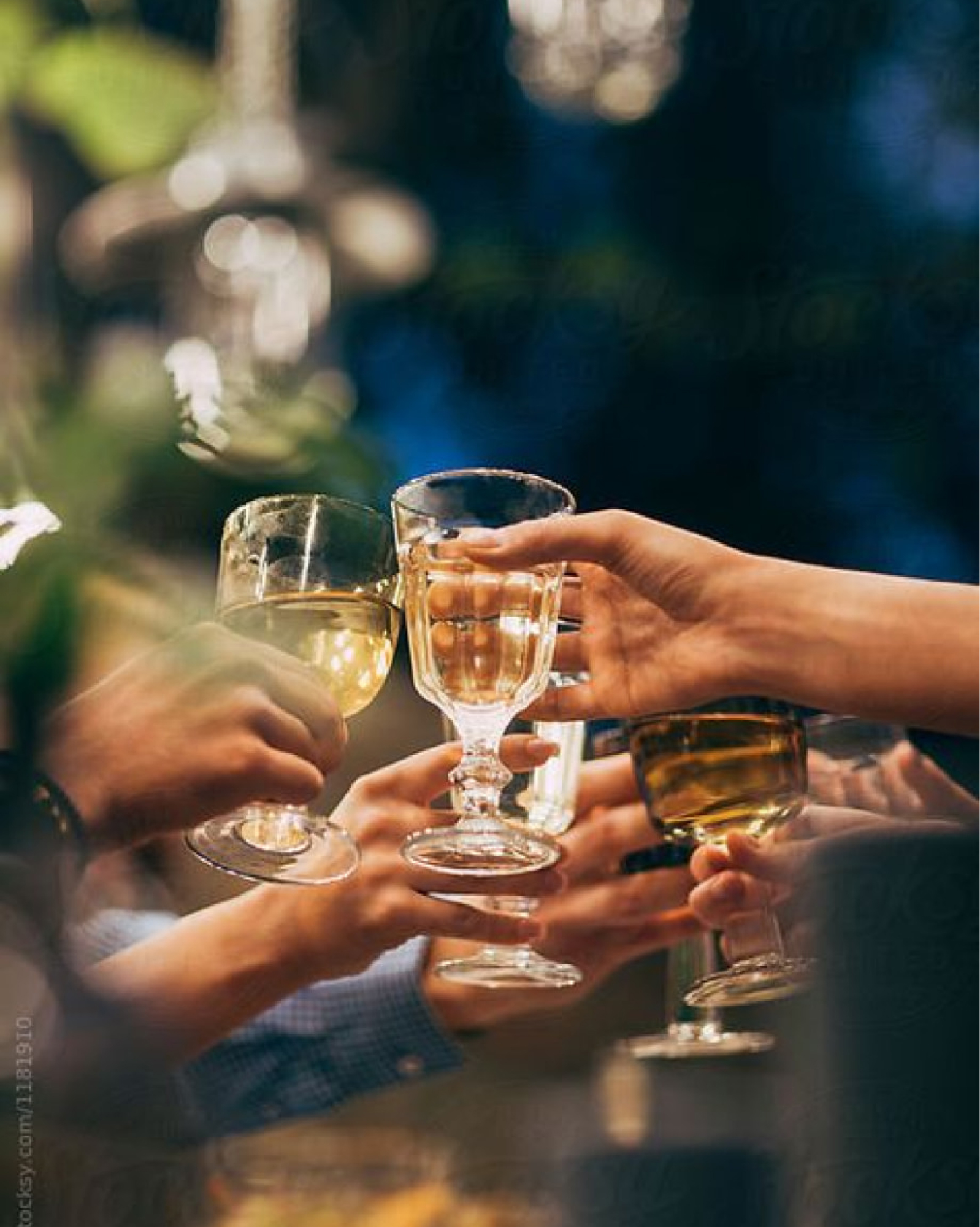
Always packed with warmth, the lighting and mood should adapt to the occasion, capturing a true sense of atmosphere
Composition
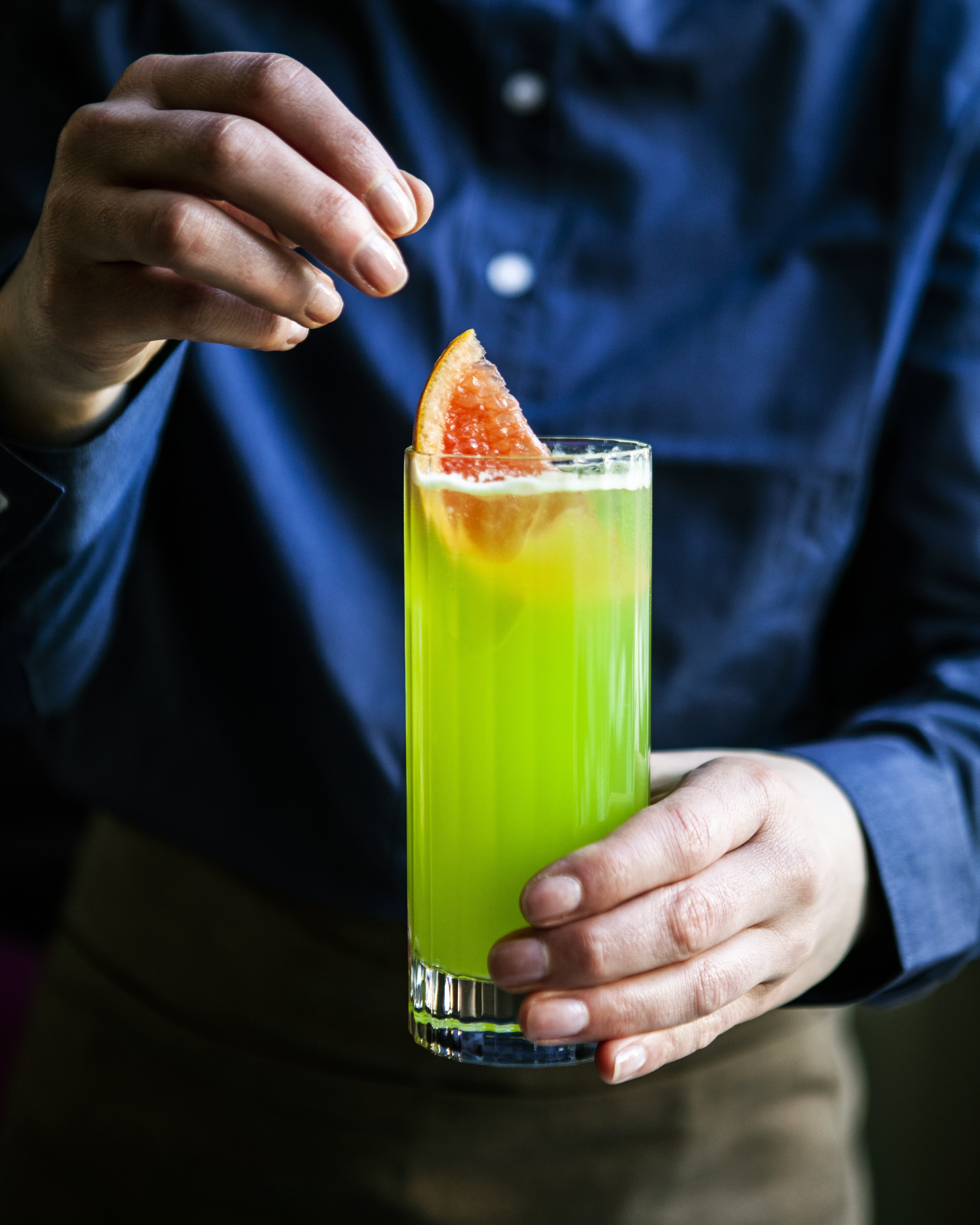
Dishes should be arranged in a relaxed and candid way
Compositions should incorporate human interaction with the food
Styling
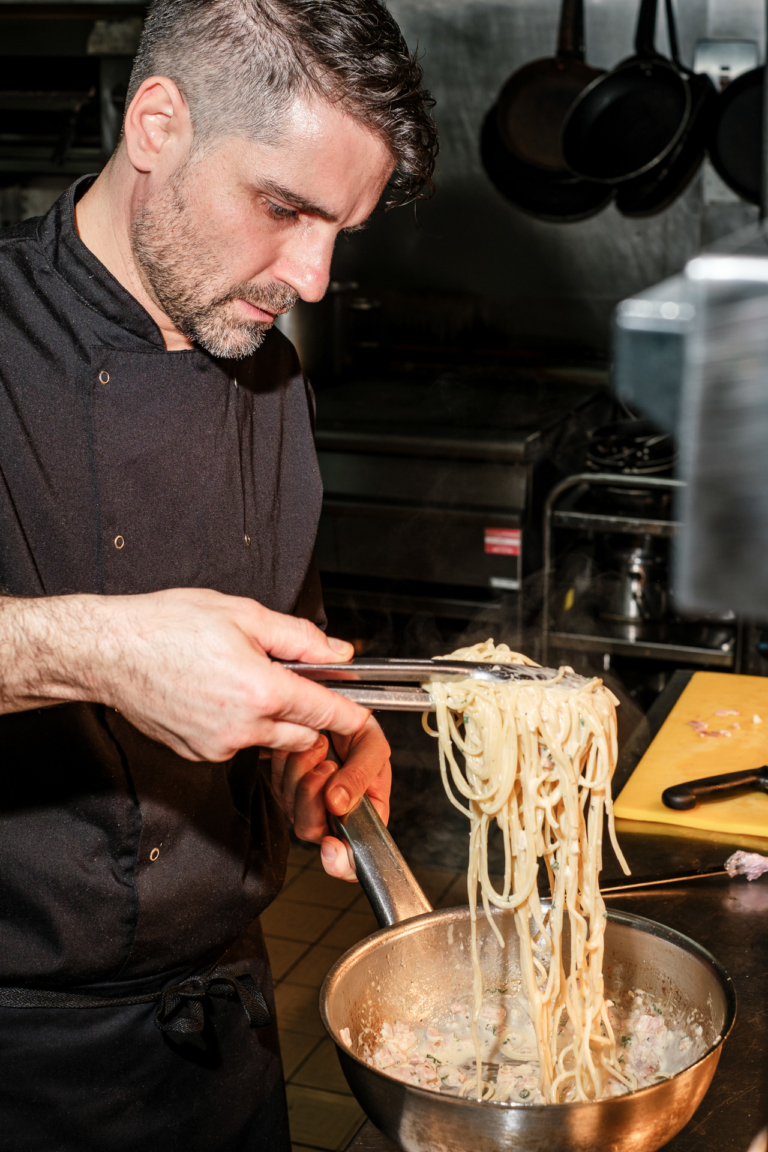
The process of the food being prepared and made should be celebrated
Human Presence
Showcase guests eating and drinking together
Gestures and expressions should feel happy, natural and positive
Show the team preparing the craft and quality that goes into every meal
When shooting food and drink, make sure that that the following common errors are avoided.
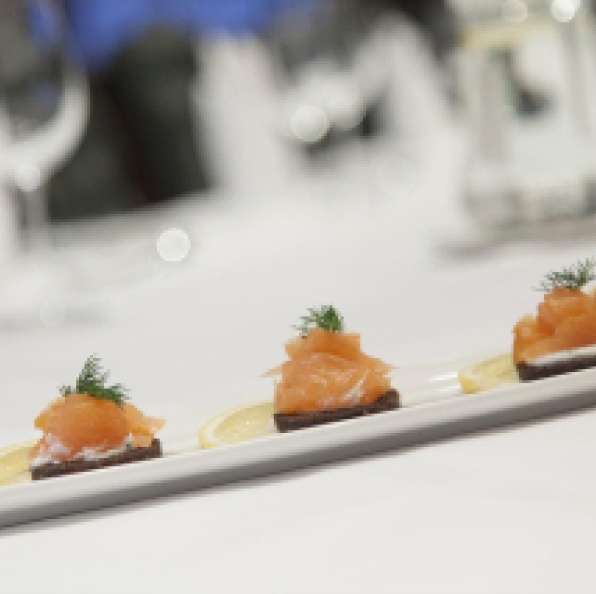
Don’t shoot food on an angle
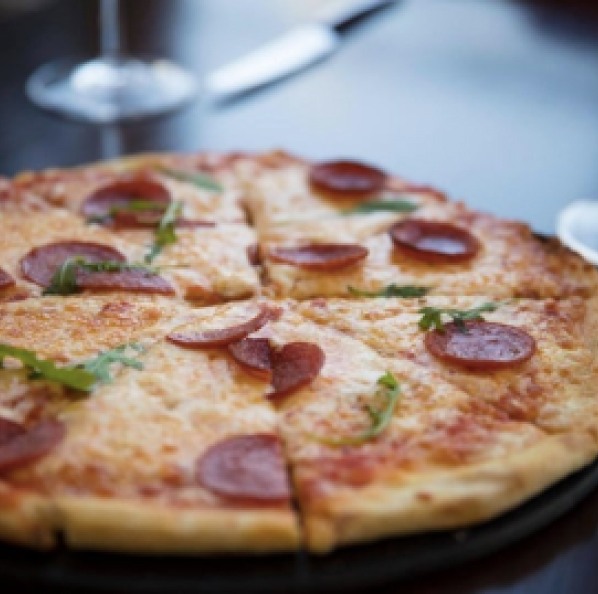
Don’t shoot food that looks dry or of poor quality

Don’t shoot food that hasn’t been styled to look generous and appetising
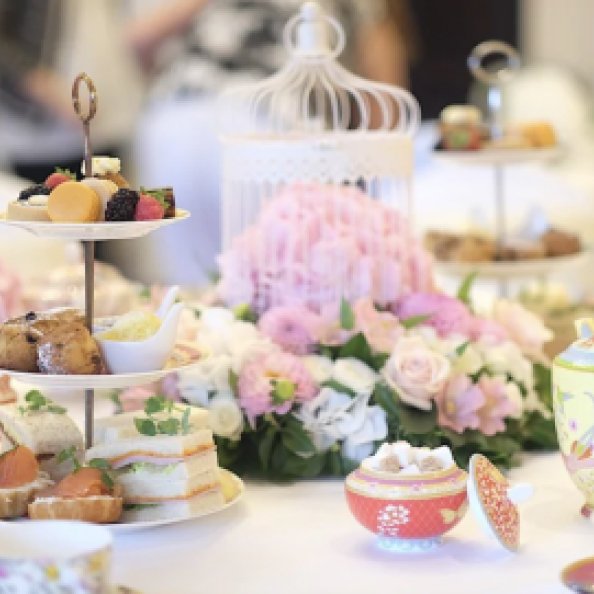
Don’t over-style or clutter compositions
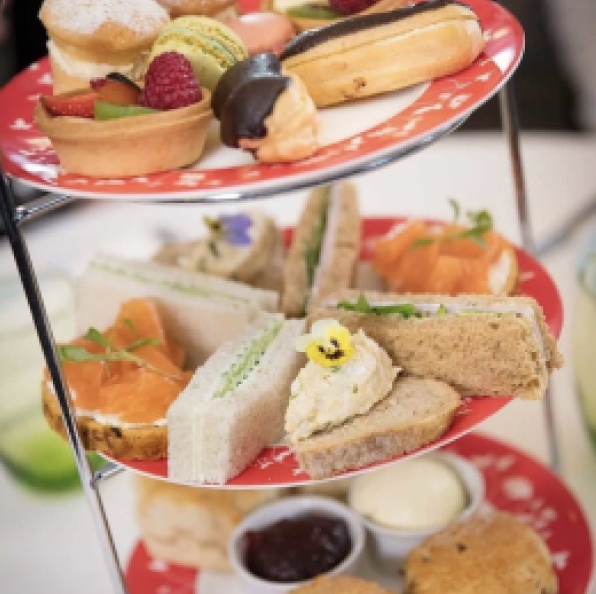
Don’t shoot close-ups without a clear point of focus
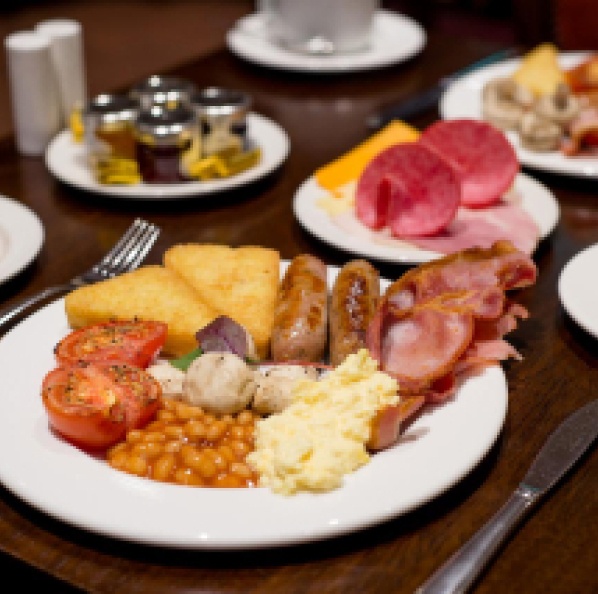
Don’t shoot in lighting which looks artificial or overly bright
When it comes to Meetings & Events, there are three areas that we aim to capture: Spaces, events in action and services.
Spaces
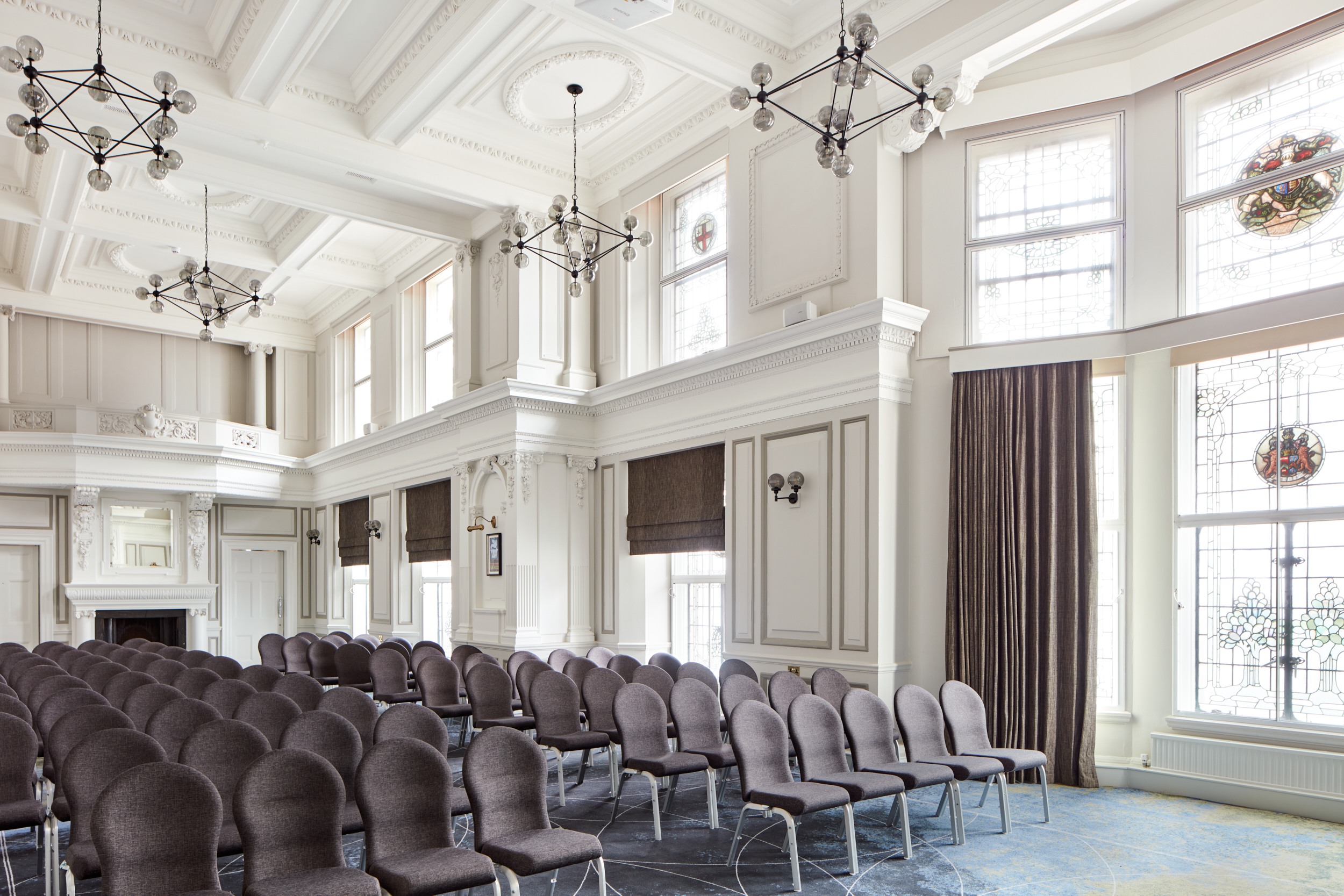
Where whole-room shoots feel cramped, we focus on details. When we want to show what’s included in the offer, we style our shots with care adding the appropriate props to the tables whilst avoiding over-cluttering. Ultimately, we show our meeting and event spaces in a way that captures the authentic experience.
- Styled but not cluttered
- Balanced composition
- Natural light where possible
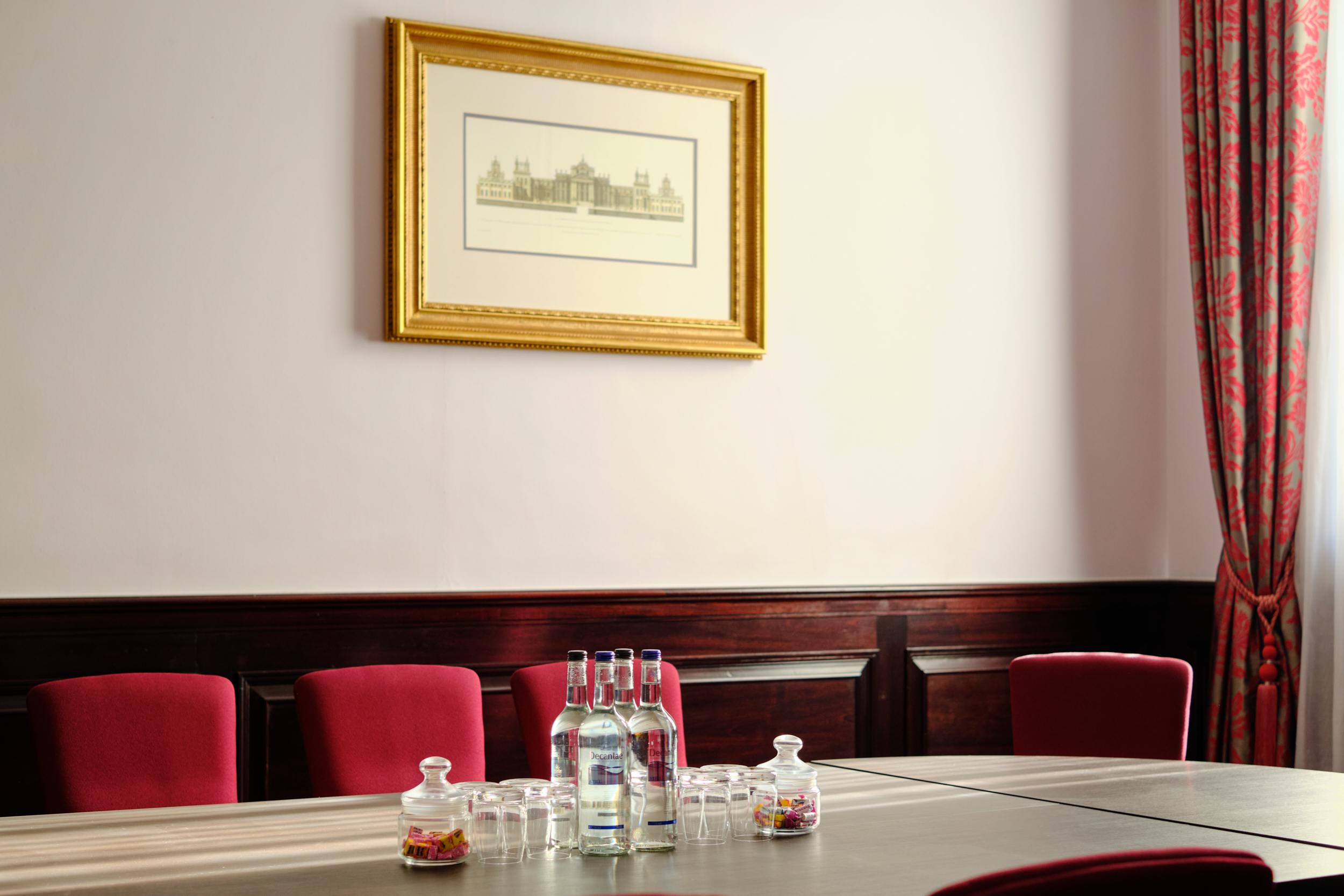
Lighting & Mood
Use bright light where possible, but in darker spaces adapt by casting artificial light to balance the room
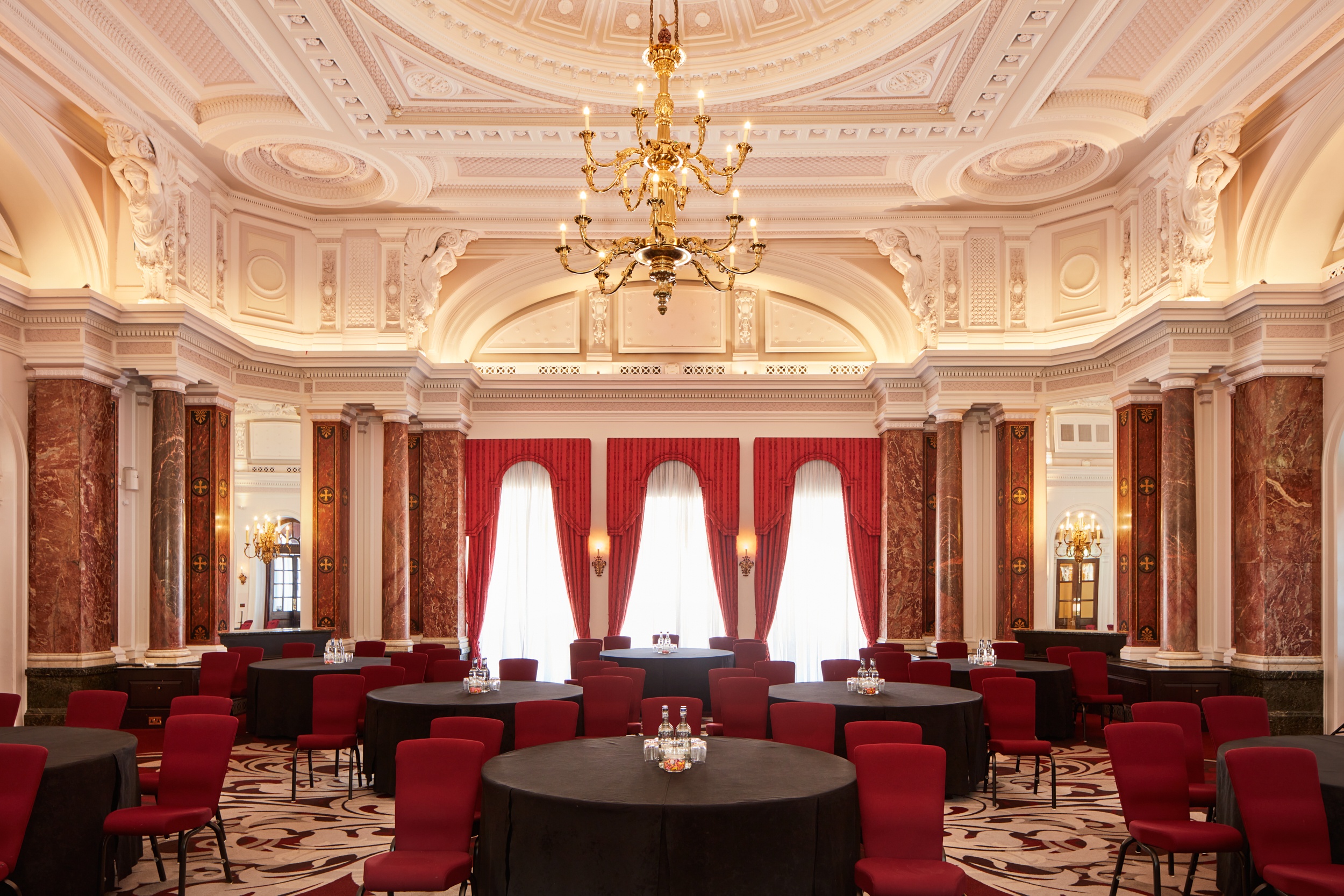
Composition
Make the composition work in order to hide undesirable features and focus on those that sell the space
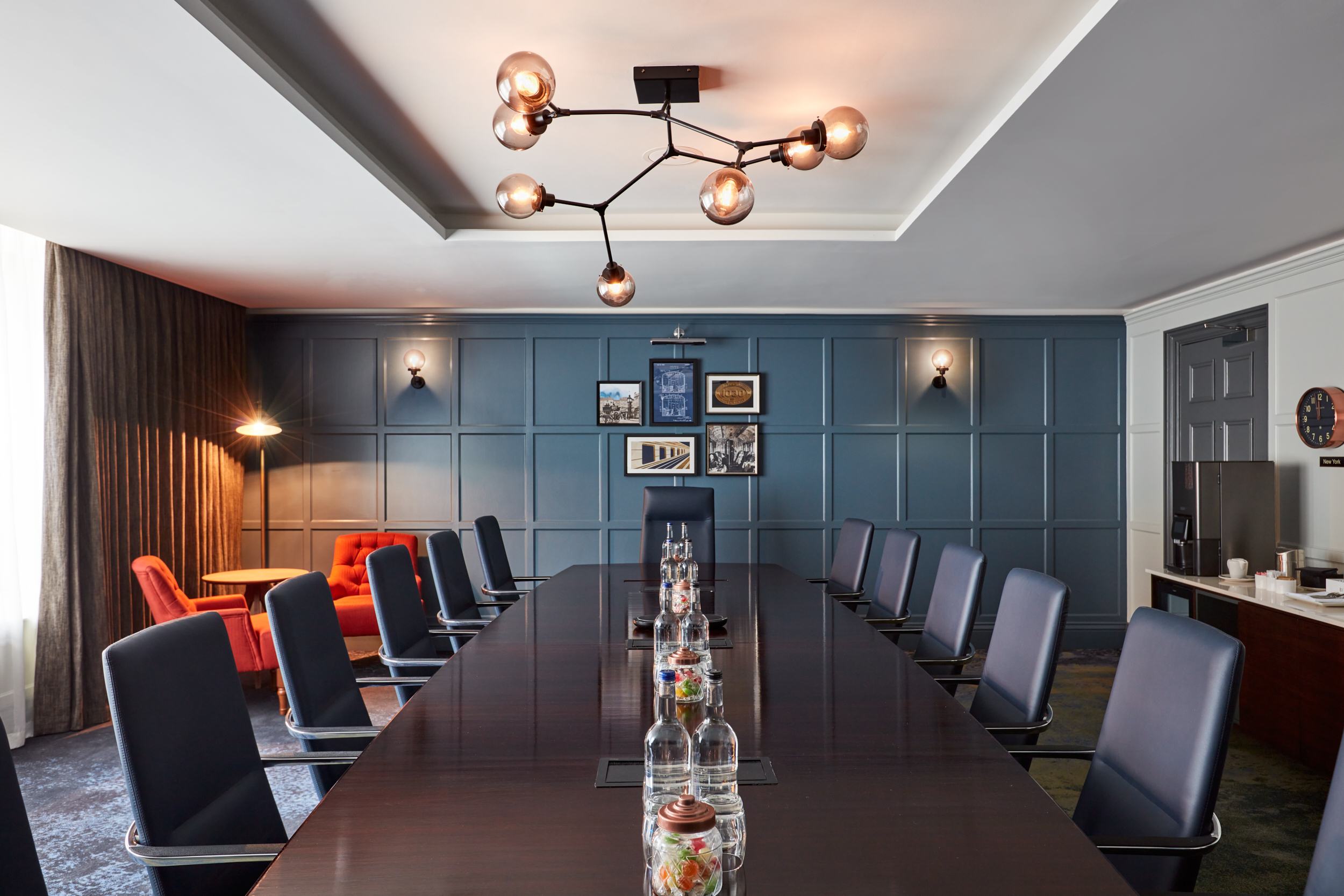
Styling
Ensure tables are not over-cluttered and style each table consistently with a maximum of 3-4 objects
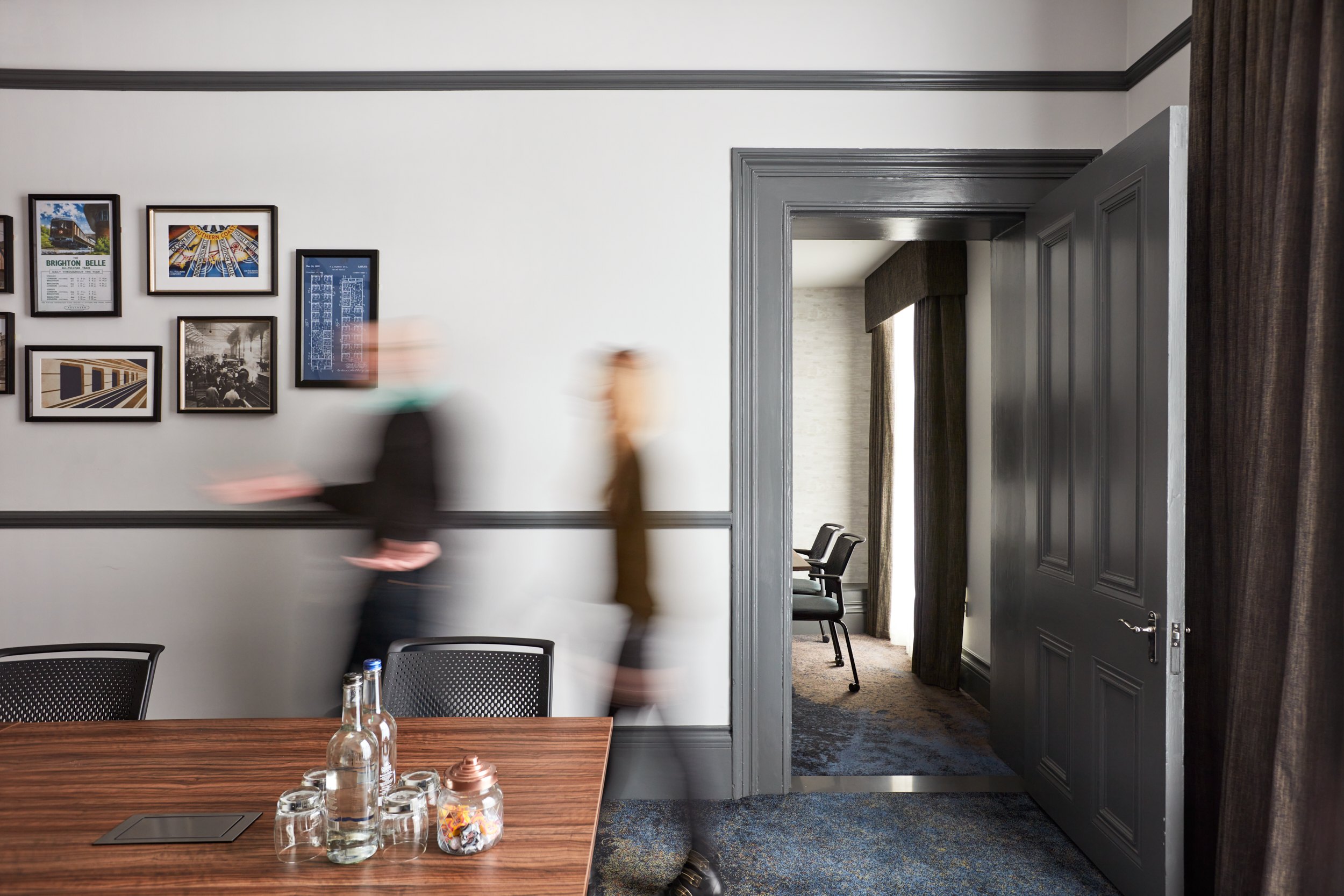
Human Presence
Show the spaces in use to help the viewer visualise the experience
Events in Action
Capturing events, meetings and conferences in action are a way to show the spaces in a more aspirational way. We do this by adapting the mood around the event being shot and focusing on natural interactions between guests.
- Atmospheric
- Engaged audiences
- Adaptive to event
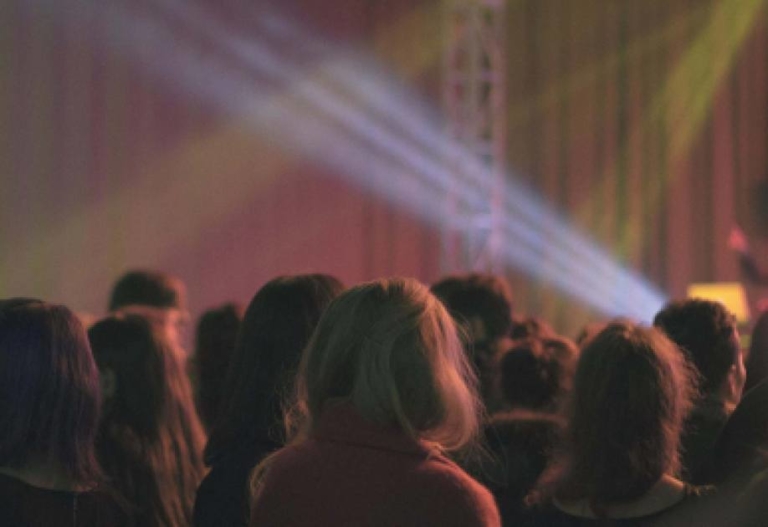
Lighting & Mood
Dependent on the time of the event, lighting will vary, but a lively atmosphere is a must across all day-parts
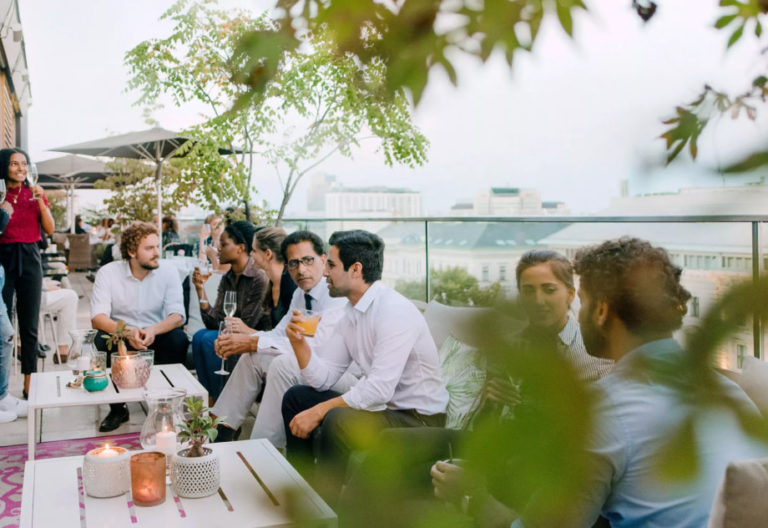
Composition
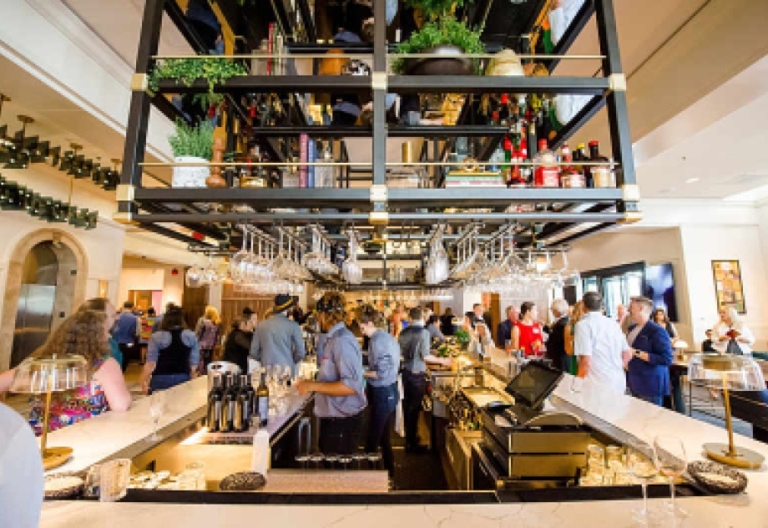
Candid, fly-on-the-wall shots of guests engaged in networking or a meeting can help the viewer visualise their event easier
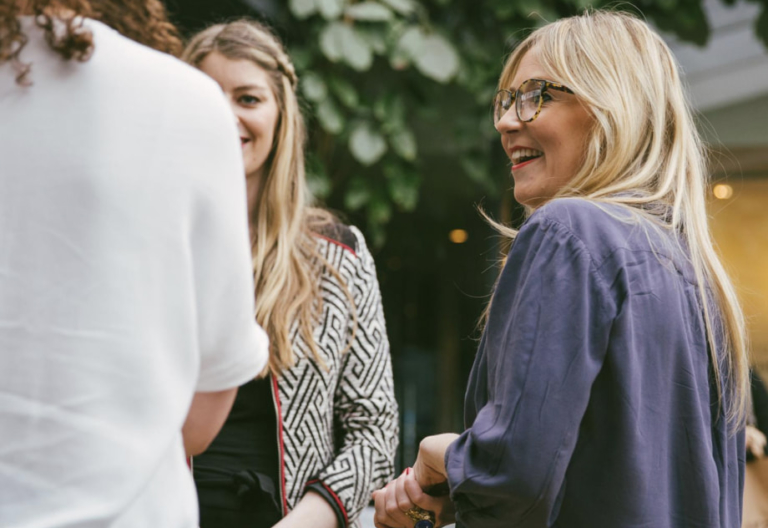
Styling
Styling should feel natural. Never nor posed. A real event that’s actually happened, rather than a styled shoot
Human Presence
Wider angle shots can capture events in action. A busy team and active guests help add pace
Gestures should be candid and natural
Services
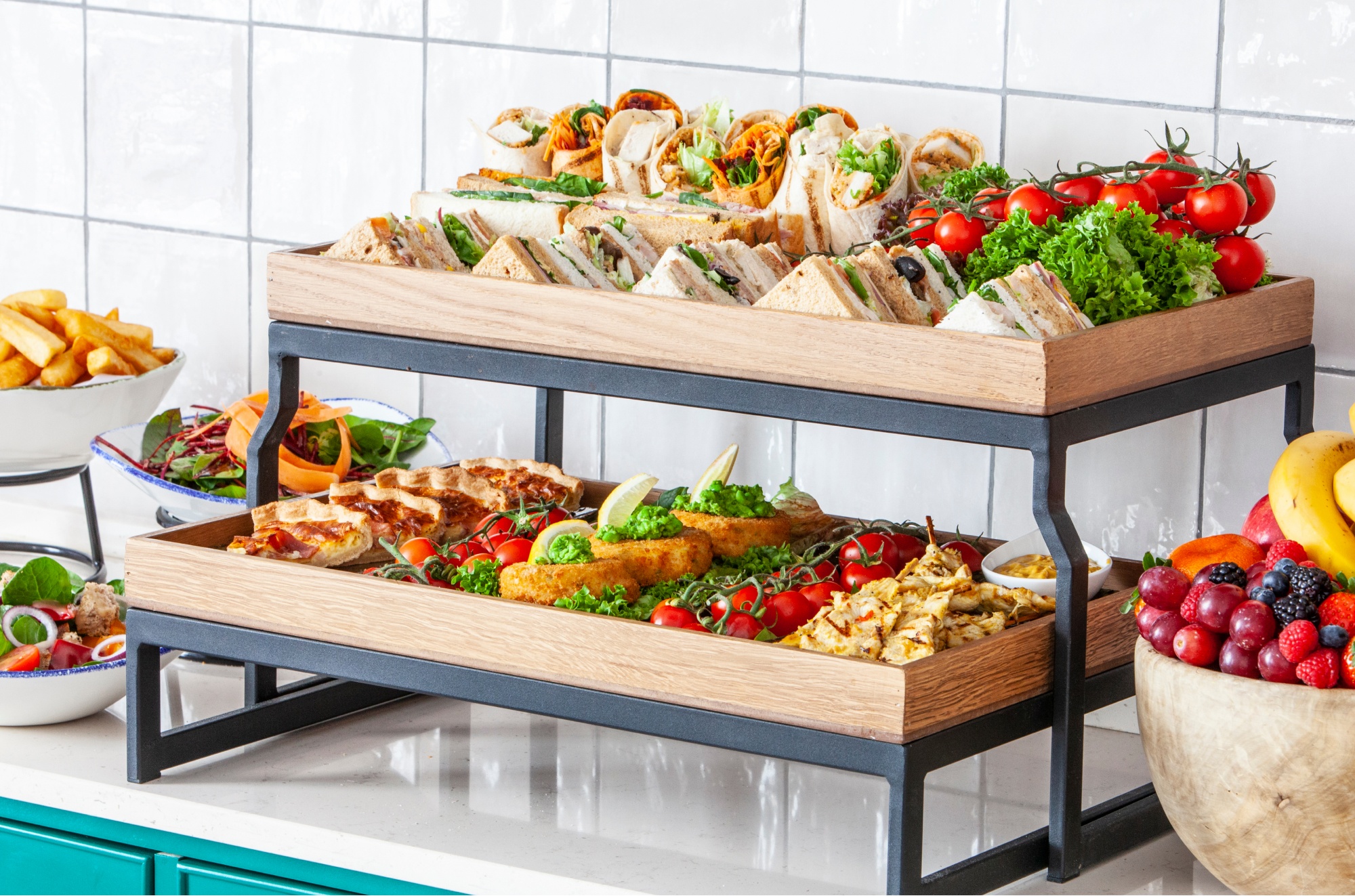
Services are a potential up-sell for meetings and events, so ensuring food buffets is styled thoughtfully is key. Our team should always look professional, engaged, and helpful.
- Service-focused
- Focus on extra details
- Abundant food offering
Lighting & Mood
Lighting will need to be adapted depending on the type of event and service required
Composition
A focus on the product or service offered with interesting angles across tables to show the breadth and variety of what’s on offer
Styling
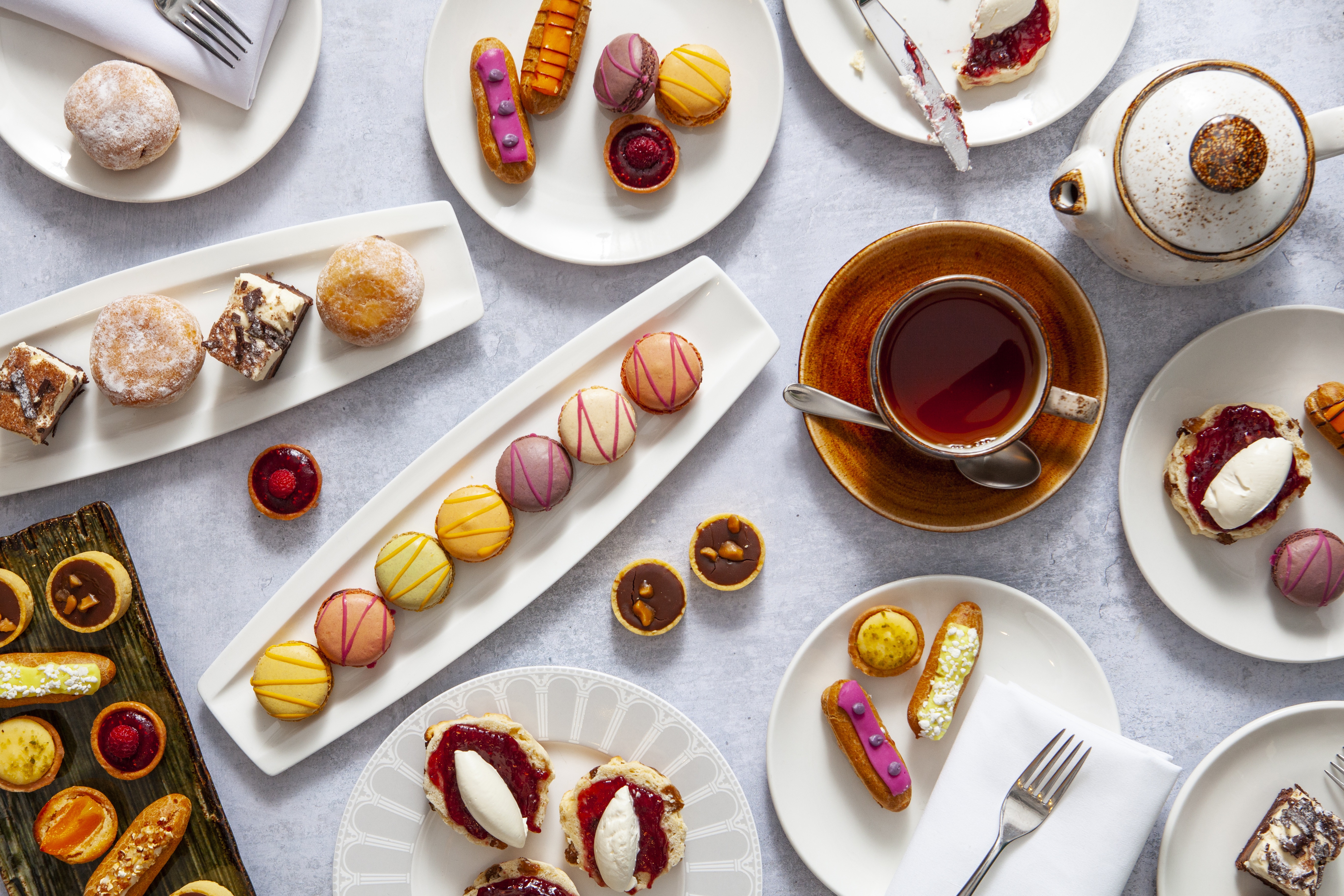
Refreshments can sit to the side of the shot and styled to look generous but not cluttered
Human Presence
Team members should look professional and engaged, on hand to help guests. This is a chance to show our premium level of service.
When shooting meetings and events, ensure that the following common mistakes are avoided
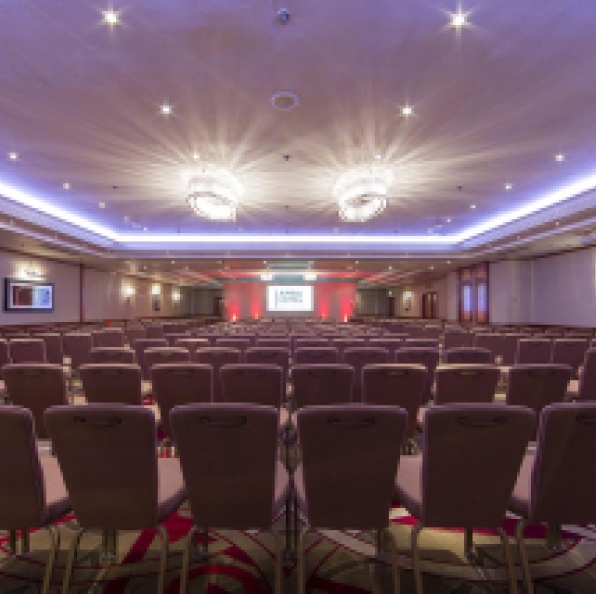
Don’t crowd shots with chairs
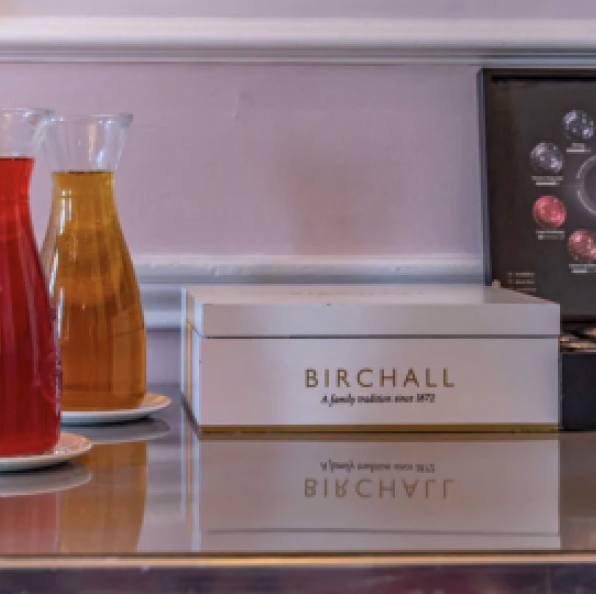
Don’t focus on uninspiring details
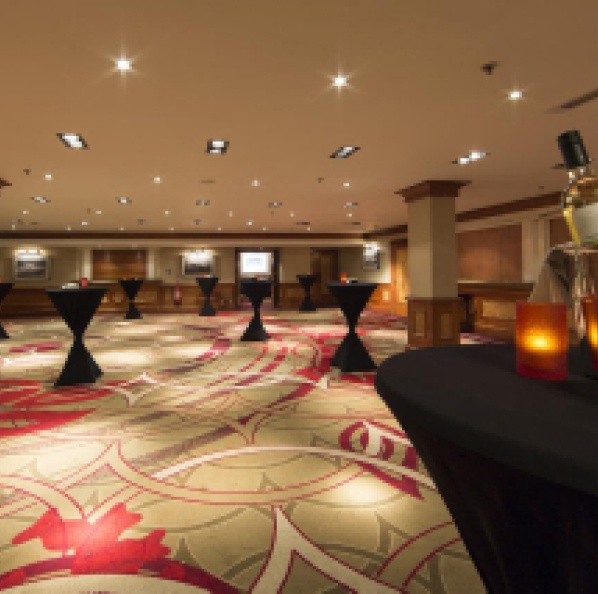
Don’t use lenses which distort the image without correcting in post
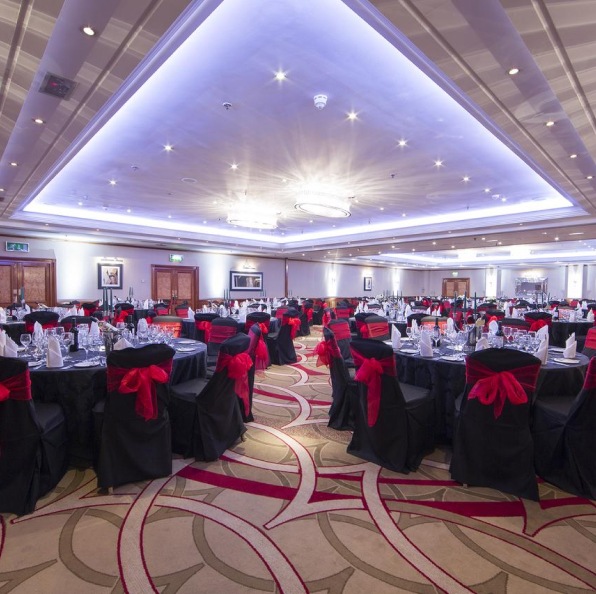
Don’t over-style tables
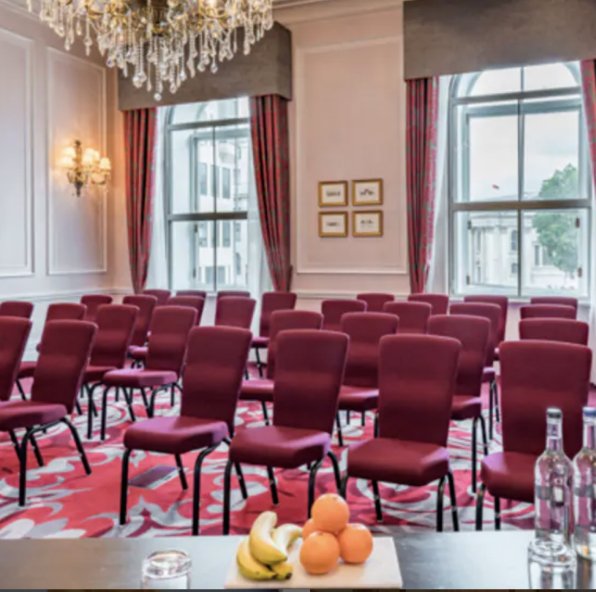
Don’t add props that have no relevance to the type of event shown
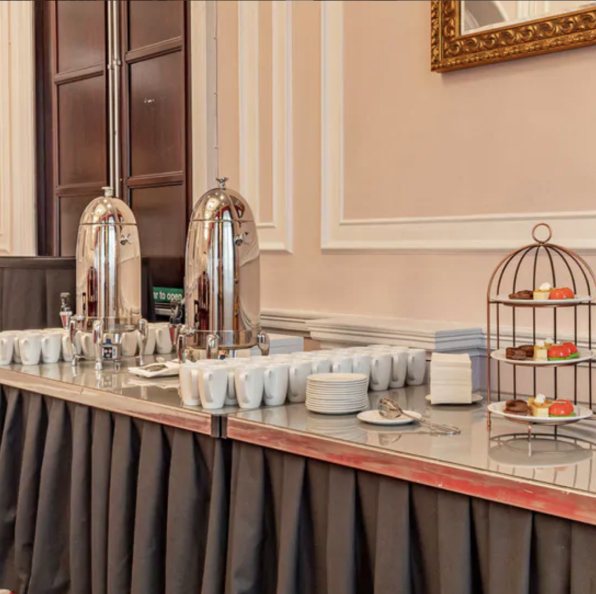
Make the offering feel abundant and inspiring
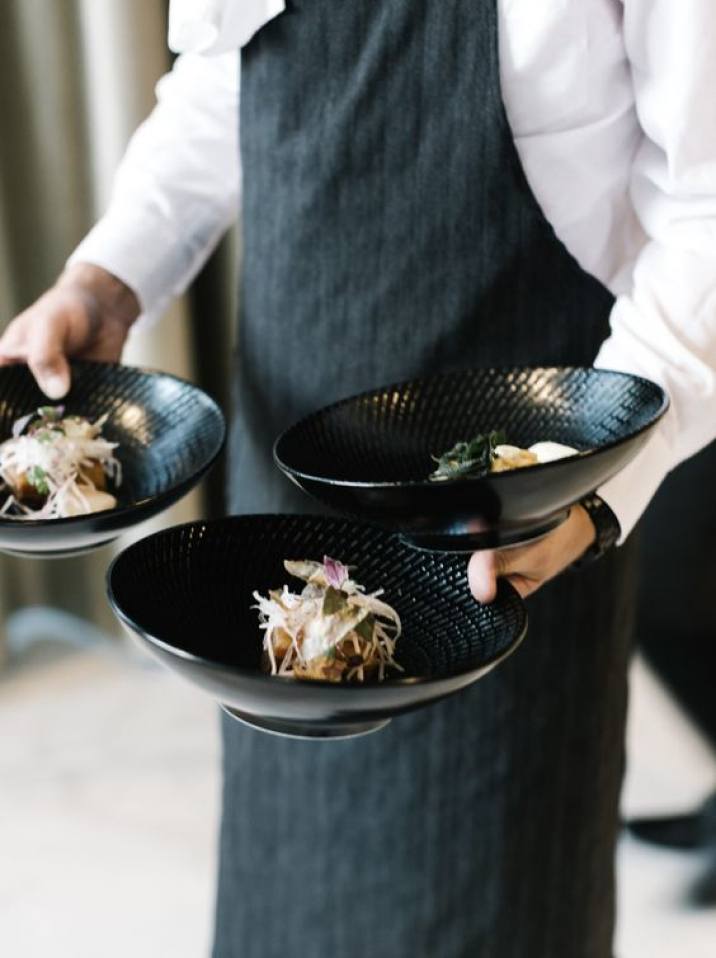
When it’s done right, our photography should feel warm, inviting, natural and modern. Here’s the brand at its beautiful best.
If there is something on this list you are unable to check, get in touch with our brand manager at aline.peters@clermonthotel.group
Ready to go!